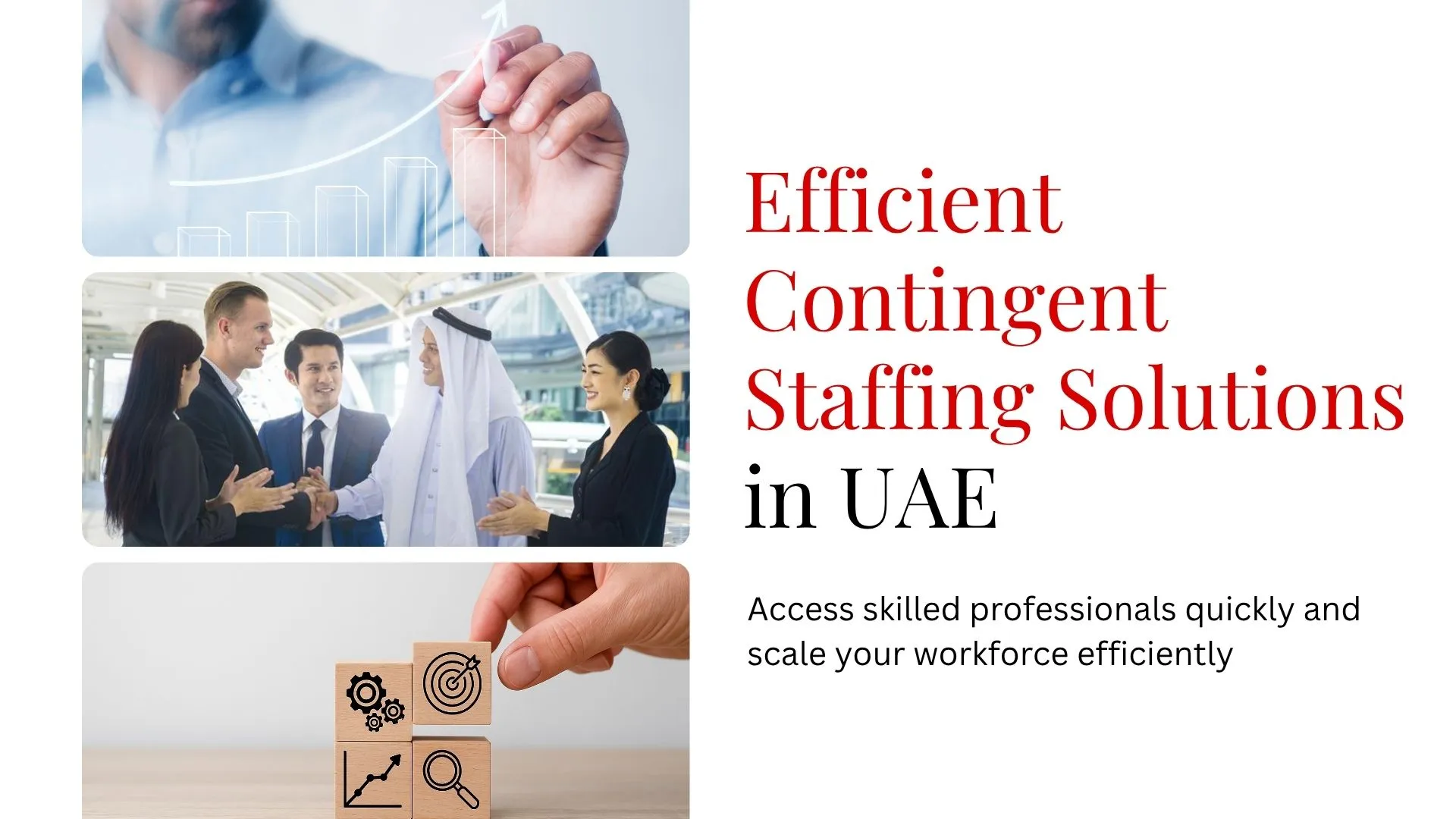

Every business reaches a point where it needs more people to keep growing. Sometimes it's because a new project has landed. Sometimes business is expanding faster than expected. And sometimes it's simply because the current team can no longer manage the workload.
The challenge isn't just finding talented people. It's deciding how to hire them.
Should you bring someone on board for a few months to support a specific project? Or should you invest in a permanent employee who will grow with your business over the years?
There isn't a single answer that works for every organisation. The right choice depends on your business goals, the type of work you need done, your budget, and how quickly you need someone to start.
In a fast-paced business hub like Dubai, companies often face changing workforce demands. New opportunities can appear quickly, projects may have tight deadlines, and some industries experience seasonal peaks throughout the year. Because of this, many organisations rely on a mix of contingent and permanent staffing in Dubai to build teams that are both flexible and stable.
Understanding the difference between these two hiring models can help businesses make smarter workforce decisions while preparing for future growth.
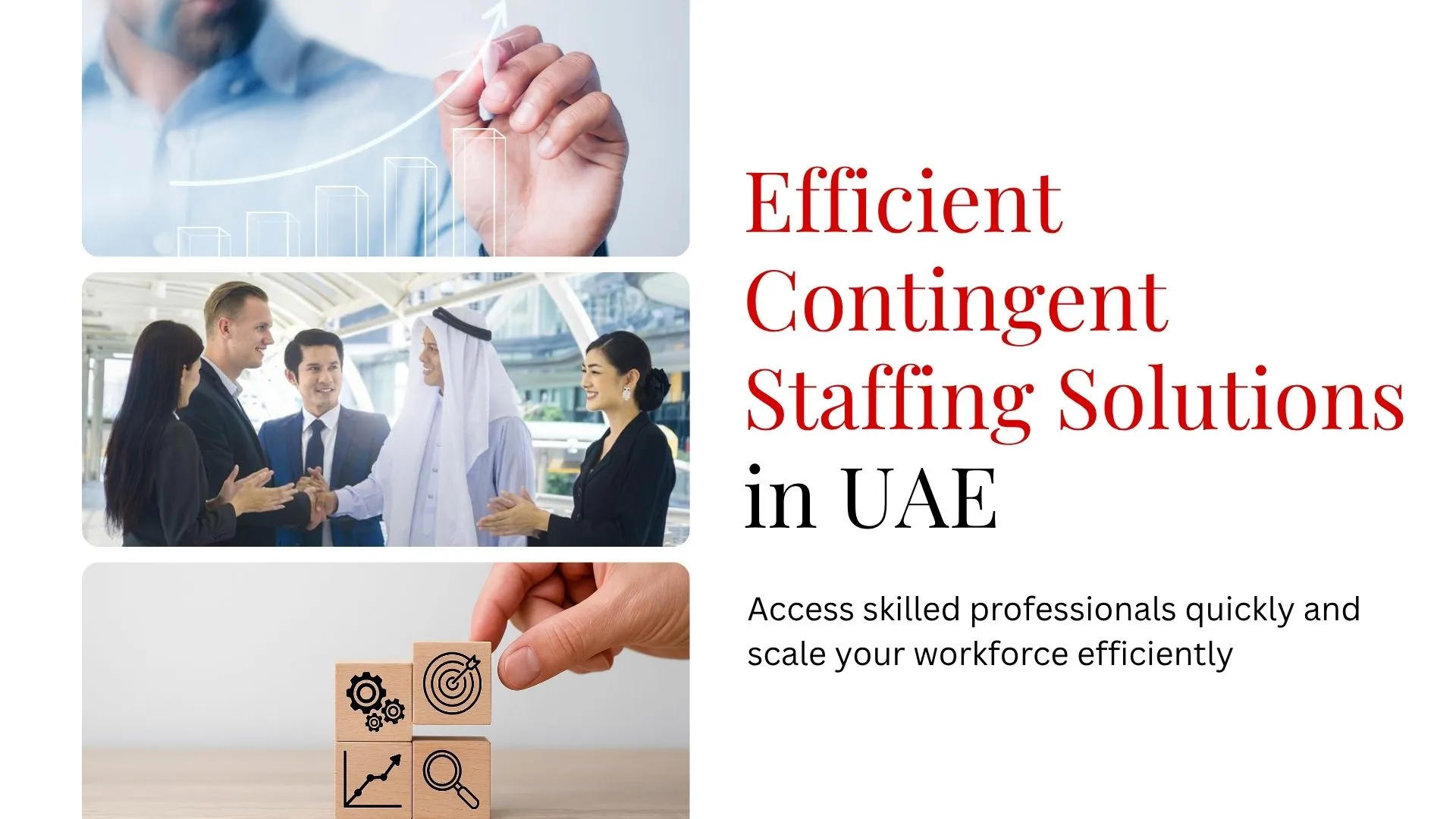
What is contingent staffing
Contingent staffing means hiring professionals for a specific period or purpose rather than bringing them on as permanent employees. These professionals are usually hired to support temporary projects, cover short-term workforce gaps, or provide specialised skills that may only be needed for a limited time.
For example, a construction company may need additional engineers for a six-month project, while a retail business may require extra staff during the holiday shopping season. Once the work is complete, the staffing requirement naturally comes to an end.
This hiring model gives businesses the flexibility to scale their workforce up or down based on demand without making long-term employment commitments.
What is permanent staffing
Permanent staffing is exactly what it sounds like. Businesses hire employees to become part of their long-term workforce.
These employees play an ongoing role in the organisation, contribute to business growth, and often take on greater responsibilities as they gain experience. Companies also invest in their development through training, career progression, and performance management.
Permanent employees help build consistency within a business. They understand the company's culture, develop strong relationships with colleagues and customers, and carry valuable knowledge that supports long-term success.
Understanding the difference
Although both staffing models help businesses hire talented professionals, they are designed for different situations.
Contingent staffing offers flexibility. It works well when hiring needs are temporary or project-based.
Permanent staffing focuses on stability. It is a better fit for roles that are essential to the business and require long-term commitment.
Rather than choosing one over the other, many businesses in Dubai combine both approaches. Their permanent employees manage day-to-day operations and long-term objectives, while contingent professionals provide extra support during busy periods or specialised projects.
This balanced approach allows organisations to stay agile without compromising on business continuity.
When does contingent staffing make sense
Contingent staffing can be a practical solution in many situations where flexibility is a priority.
Managing seasonal demand
Some industries naturally experience busy periods during certain times of the year. Retail businesses, hospitality companies, logistics providers, and event management firms often need additional staff for only a few weeks or months.
Hiring contingent professionals allows them to meet increased demand without permanently expanding their workforce.
Working on short-term projects
Projects often require specialist skills that may not be needed once the work is complete.
For example, a company launching a new digital platform might hire developers, designers, or cybersecurity specialists for the duration of the project. Once the platform is live, the team size can be adjusted according to business needs.
Filling urgent skill gaps
Unexpected resignations, employee leave, or sudden business growth can create immediate hiring needs.
Instead of leaving important positions vacant, businesses can bring in contingent professionals who are ready to contribute from day one while permanent recruitment continues.
When is permanent staffing the better choice
While contingent staffing offers flexibility, there are many situations where hiring permanent employees makes more sense. If a role is central to your business and will continue to exist as the company grows, bringing someone on board permanently is often the better long-term decision.
Here are a few situations where permanent staffing can be the right fit.
Building a strong team
Every successful business is built on people who understand its vision and values. Permanent employees become part of the company's journey. Over time, they gain a deeper understanding of the business, strengthen relationships with colleagues and customers, and contribute to a positive workplace culture.
Supporting long term growth
As businesses grow, they need people who can take on greater responsibilities, lead projects, and help shape the future of the organisation. Permanent employees often develop valuable knowledge and experience that supports long-term success.
Investing in employee development
Many organisations invest in training, mentoring, and professional development for their permanent workforce. These investments help employees improve their skills while creating a stronger and more capable team for the future.
Benefits of contingent staffing
Contingent staffing has become an important workforce strategy for many businesses in Dubai. It offers flexibility without compromising on access to skilled professionals.
Some of the key benefits include:
Greater flexibility
Business needs can change quickly. Contingent staffing allows organisations to increase or reduce their workforce based on project requirements, seasonal demand, or market conditions.
Faster hiring
When there's an urgent requirement, businesses often need qualified professionals as quickly as possible. Contingent staffing can help reduce hiring timelines, allowing projects to move forward without unnecessary delays.
Access to specialised expertise
Certain roles require skills that are only needed for a limited period. Instead of hiring a permanent employee for a temporary requirement, businesses can bring in experienced professionals with the exact expertise needed for the job.
Better workforce planning
Using contingent professionals gives businesses the flexibility to respond to changing priorities while maintaining productivity. It also allows organisations to assess future workforce needs before making long-term hiring decisions.
Benefits of permanent staffing
Permanent staffing offers advantages that extend beyond filling an open position. It helps create stability, encourages employee engagement, and supports long-term business objectives.
Stronger employee commitment
Permanent employees are often more invested in the organisation's success because they see themselves growing with the business. This sense of belonging can lead to higher engagement and stronger collaboration.
Better knowledge retention
Employees who stay with a company over the long term build valuable knowledge about its processes, customers, and operations. This experience becomes an important asset that supports consistency and continuous improvement.
A stronger workplace culture
Culture develops over time through shared values, teamwork, and trust. Permanent employees help create a stable working environment where collaboration and long-term relationships can thrive.
Career growth opportunities
Permanent roles often provide employees with opportunities to learn new skills, take on additional responsibilities, and progress within the organisation. This benefits both the employee and the business.
Can businesses use both staffing models
Absolutely.
In fact, many businesses in Dubai combine contingent and permanent staffing to create a workforce that is both flexible and resilient.
For example, a company may have a permanent team responsible for managing day-to-day operations while hiring contingent professionals for major projects, seasonal demand, or specialised assignments. This approach allows organisations to remain agile without losing the stability that comes from having a dedicated core workforce.
Choosing the right balance depends on factors such as business goals, project timelines, industry requirements, and future hiring plans.
How to choose the right staffing approach
Before making a hiring decision, it helps to step back and look at the bigger picture.
Ask yourself a few simple questions:
- Is this role temporary or long term?
- Will this position continue to be important after the current project ends?
- Do we need someone with highly specialised skills?
- How quickly do we need to fill the role?
- What are our business goals over the next few years?
The answers to these questions can provide valuable direction and help determine whether contingent staffing, permanent staffing, or a combination of both is the most suitable approach.
Every business is different, and there is no one-size-fits-all solution. The best hiring strategy is the one that aligns with your workforce needs while supporting your long-term business objectives.




























Sign in to leave a comment.