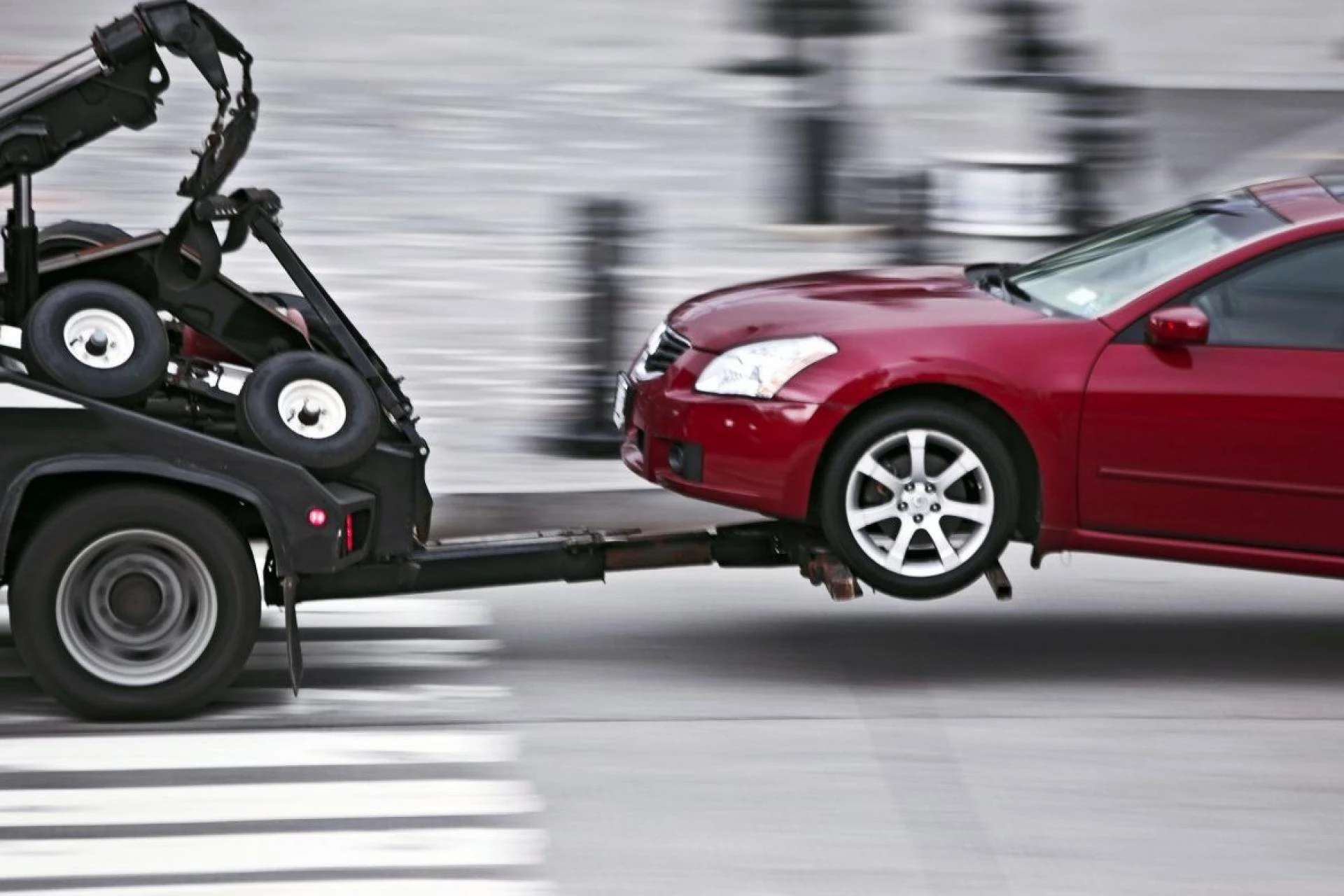
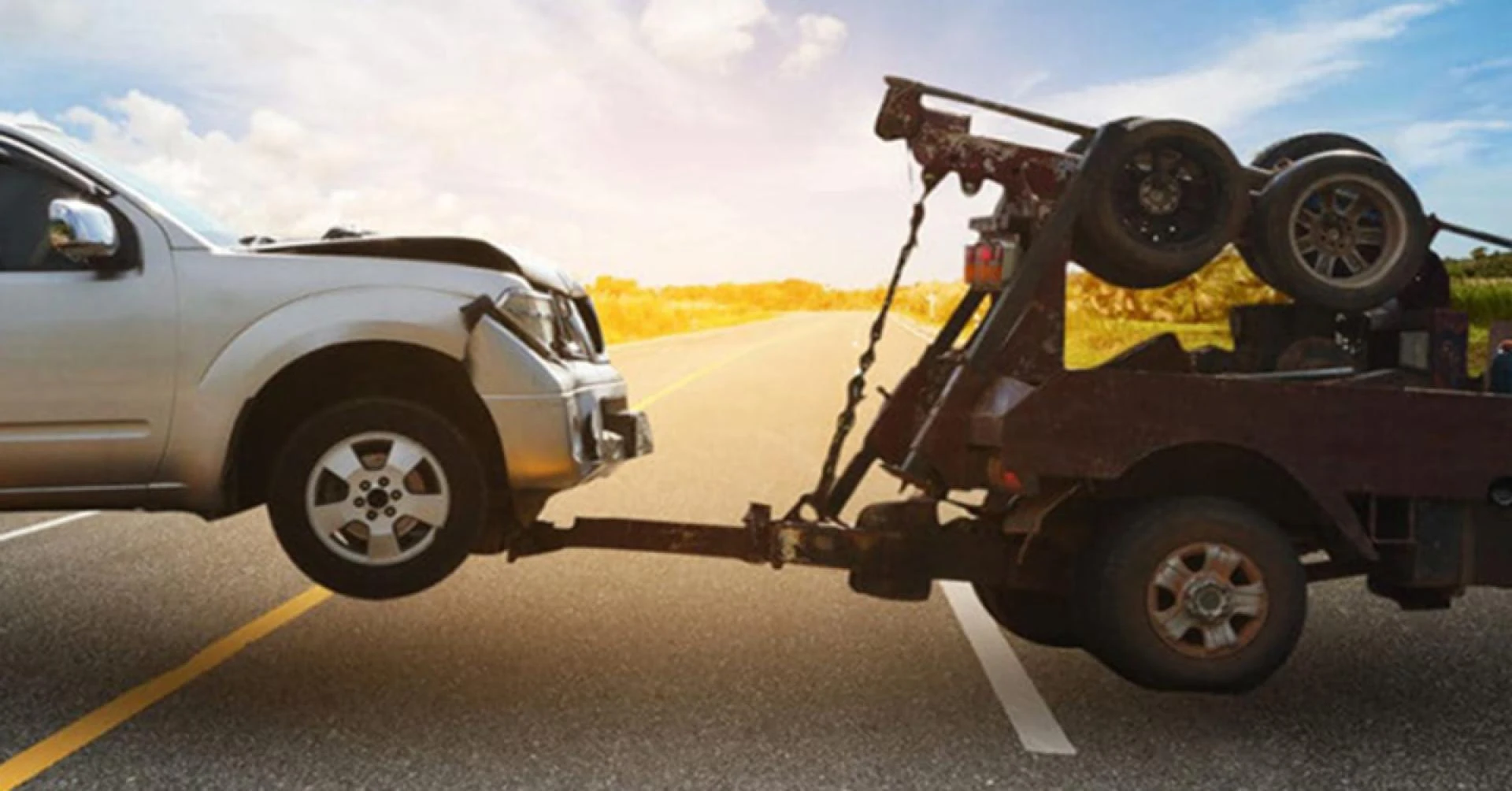
When your vehicle breaks down in the middle of the road or you face an emergency situation like a flat tire or dead battery, the last thing you want to do is scramble through your phone trying to find a reliable towing service. The company you choose in that stressful moment can either make your life easier or much worse.
Unfortunately, not all towing services are created equal. Some offer fast, professional help with transparent pricing, while others may be unreliable, overpriced, or even predatory. Choosing the right towing service near you is crucial, not just for your wallet but also for your safety and peace of mind.
This in-depth guide will walk you through everything you need to consider before making that call to ensure you're choosing the right local towing provider.
1. Assess Their Availability: 24/7 Service Matters
Emergencies don't follow business hours. Whether your car breaks down at 3 p.m. or 3 a.m., you'll need a towing company that offers 24/7 availability. A reliable towing service will have round-the-clock dispatch, ready to help you during weekends, holidays, or late-night incidents.
When researching or calling companies, always confirm:
- Their hours of operation
- Average response time during off-peak hours
- Availability in remote or less-trafficked areas
Even better, look for live GPS tracking services to monitor your tow truck's ETA in real time.
2. Verify Licensing, Insurance & Credentials
Towing may seem straightforward, but it requires skill, the right equipment, and proper licensing and insurance. An unlicensed operator can risk your vehicle and legal standing.
Be sure to ask:
- Is the company licensed and registered with local authorities?
- Are they insured, and will their insurance cover damages during a tow?
- Do their drivers have certifications or training, such as from the Towing and Recovery Association of America (TRAA)?
A reputable company won't hesitate to provide this information and will have nothing to hide.
3. Understand the Types of Services Offered
Not all tow companies offer the same services. While basic flatbed or wheel-lift towing is common, some situations require specialized equipment or expertise. Before an emergency strikes, familiarize yourself with companies that offer a full range of services:
- Light-duty, medium-duty, and heavy-duty towing
- Flatbed towing for luxury or low-clearance vehicles
- Motorcycle towing
- Accident recovery and winching
- Lockout assistance, jumpstarts, fuel delivery, and tire changes
A versatile towing company is more likely to resolve your issue completely without involving another provider.
4. Check Customer Reviews and Local Reputation
The best way to judge a towing service is through the experiences of others. Online reviews can offer insights into:
- Punctuality and response time
- Professionalism and courtesy of the drivers
- Pricing transparency
- Vehicle handling and safety
Focus on reviews from local sources like Google Maps, Yelp, or Facebook. Look for towing companies with consistently high ratings and reviews that mention specific positive experiences.
Additionally, ask friends or family members for referrals. Word-of-mouth recommendations often lead to the most trustworthy local providers.
5. Compare Pricing and Transparency
Emergency towing can be expensive, but it should never feel like a scam. One of the drivers' biggest complaints is unexpected or inflated costs after the fact.
Reputable towing companies should:
- Provide clear, upfront pricing
- Offer estimates based on distance, type of service, and location
- Be willing to discuss fees before dispatching a truck
- Avoid aggressive pricing tactics or pressure to sign documents hastily
Ask whether the company charges:
- A base hook-up fee
- Per-mile towing charges
- Additional charges for off-road recovery or after-hours service
Getting all pricing details in writing (text, email, or invoice) is highly recommended.
6. Evaluate Equipment Quality and Fleet Condition
A legitimate, dependable towing company takes pride in its fleet and equipment. If the truck that shows up looks worn out, rusted, or poorly maintained, it may signal deeper professionalism or safety standards issues.
Choose companies that invest in:
- Clean, modern tow trucks
- Well-maintained tools and straps
- Safety lights and equipment for working at night or on busy highways
Better equipment means less risk of damage to your vehicle and faster service overall.
7. Prioritize Local Operators
While national roadside assistance apps and insurance-based towing networks are convenient, local companies often provide more personalized and responsive service. They know the area, traffic patterns, and common problem spots, allowing them to reach you more quickly.
Benefits of going local include:
- Shorter wait times
- More flexible service options
- Direct customer service (not routed through a call center)
- Greater accountability and better follow-up
Many local towing services also offer loyalty programs, preferred customer discounts, or fleet partnerships for businesses.
8. Look for Professionalism in Communication
Your first interaction—whether it's a phone call, website visit, or text exchange—should give you a good sense of the company's professionalism. Are they:
- Courteous and helpful on the phone?
- Prompt in their replies?
- Willing to answer questions without rushing or being vague?
Good customer service often directly reflects how the company treats your vehicle—and you—in a crisis.
Conclusion
Choosing the right towing service near you shouldn't be an afterthought. The wrong decision can leave you stranded for hours, cost hundreds of dollars, or even cause additional damage to your vehicle. On the other hand, the right towing partner brings safety, speed, professionalism, and peace of mind—exactly what you need when trouble strikes on the road.
Take a few minutes today to research local towing companies, save a reliable one in your phone contacts, and prepare yourself for whatever the road throws your way. Because when the unexpected happens, it pays to know exactly who to call.






















Sign in to leave a comment.