
Table of Contents
- Introduction
- Why Mattress Hygiene Should Be a Priority
- What Builds Up Inside a Mattress Over Time
- Tools and Supplies for Effective Mattress Cleaning
- How to Clean a Mattress Step by Step
- Surface Preparation
- Deep Vacuuming Techniques
- Targeted Stain Treatment
- Deodorizing and Sanitizing Mattress Surfaces
- Seasonal Mattress Maintenance Checklist
- Common Mattress Cleaning Mistakes to Avoid
- When to Consider Professional Support
- Conclusion
- Book a Top-to-Bottom Deluxe Cleaning
- Frequently Asked Questions
Key Takeaways
- Understanding how to clean a mattress properly helps reduce dust buildup and surface contaminants.
- Routine mattress cleaning prevents deep-set odors and stains.
- Minimal moisture and proper airflow are essential to avoid mold growth.
- Safe, mild cleaning solutions protect mattress fabrics and foam layers.
- Preventive care, such as mattress protectors and regular vacuuming, reduces the need for intensive cleaning.
Introduction
If you have ever searched for how to clean a mattress, you already know that surface cleaning is not enough. A mattress absorbs sweat, skin cells, dust, and airborne particles over time. Learning the right process for mattress care helps maintain hygiene, reduce odors, and support a more comfortable sleep environment.
This guide approaches mattress cleaning from a prevention and long-term care perspective. Instead of only reacting to stains, we focus on routine maintenance, common mistakes, and safe methods that protect your mattress materials.
Why Mattress Hygiene Should Be a Priority
A mattress is one of the most frequently used items in any home, yet it is often overlooked during routine cleaning. Unlike sheets and pillowcases that are washed weekly, the mattress core quietly collects dust particles, sweat residue, and microscopic debris.
Over time, these accumulations may affect indoor air quality and comfort. Regular mattress cleaning supports a cleaner sleep environment and helps preserve the structure of the mattress materials.
For homeowners, property managers, and short-term rental hosts, maintaining clean bedding surfaces also reflects responsible property care.
What Builds Up Inside a Mattress Over Time
Understanding what you are cleaning helps you approach the task correctly. Common accumulations include:
- Dust and airborne particles
- Dead skin cells
- Sweat and body oils
- Pet dander
- Minor spills and accidental stains
Even if stains are not visible, fine debris often settles into seams and fabric layers. This is why simply changing sheets does not replace routine mattress maintenance.
Tools and Supplies for Effective Mattress Cleaning
Before starting, gather the right supplies to avoid interrupting the process.
Recommended items:
- Vacuum cleaner with upholstery attachment
- Baking soda
- Mild liquid detergent
- Cold water
- Clean microfiber cloths
- Spray bottle
- Soft-bristle brush
- Fan or access to ventilation
Avoid harsh chemicals unless specifically approved by the mattress manufacturer. Many modern mattresses contain foam layers that can degrade when exposed to strong cleaning agents.
How to Clean a Mattress Step by Step
Surface Preparation
Begin by stripping the bed completely. Remove sheets, pillowcases, and mattress protectors. Wash these items separately using manufacturer instructions.
Place the mattress in a well-ventilated area if possible. Open windows or turn on ceiling fans to promote airflow.
If your mattress has a care label, review it before applying any moisture or cleaning solution.
Deep Vacuuming Techniques
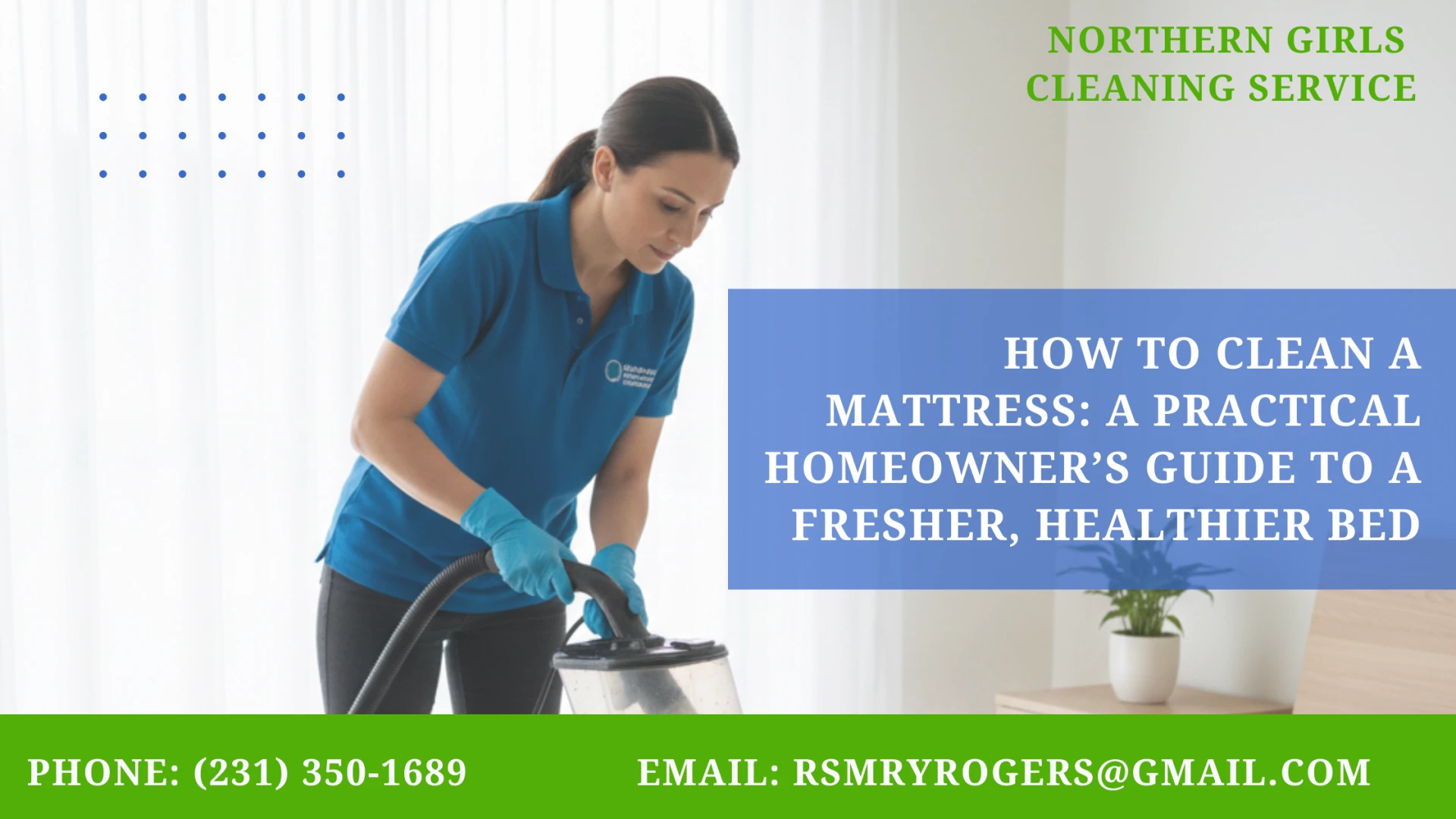
Vacuuming is one of the most important stages of mattress cleaning.
- Use the upholstery attachment to avoid damaging fabric.
- Work slowly across the entire top surface.
- Focus on seams, stitching lines, and edges where dust collects.
- Vacuum the sides of the mattress as well.
A slow, methodical approach captures more debris than quick passes. If available, a vacuum with a HEPA filter may help trap finer particles.
Vacuuming alone can significantly reduce surface dust and loose contaminants.
Targeted Stain Treatment
Different stains require different approaches. The key is to use minimal moisture.
For Sweat or Light Organic Stains
- Mix a small amount of mild detergent with cold water.
- Dampen a cloth lightly.
- Blot gently without soaking the fabric.
- Press with a dry towel to absorb excess moisture.
For Beverage Spills
- Combine equal parts water and white vinegar in a spray bottle.
- Lightly mist the affected area.
- Blot with a clean cloth.
Avoid scrubbing aggressively. Rubbing may push the stain deeper into the fibers.
Always test cleaning solutions on a hidden section before treating visible areas.
Deodorizing and Sanitizing Mattress Surfaces
Odors can develop gradually. A simple method to neutralize smells involves baking soda.
- Sprinkle a thin, even layer across the mattress.
- Allow it to sit for several hours.
- Vacuum thoroughly to remove residue.
Baking soda absorbs surface odors without introducing excess moisture.
For light sanitizing mattress surfaces, you may lightly mist a diluted vinegar solution. Ensure the fabric is only slightly damp. Excess liquid increases drying time and may create internal moisture buildup.
Seasonal Mattress Maintenance Checklist
Rather than waiting for visible stains, consider cleaning your mattress at least twice per year. A seasonal checklist helps maintain consistency.
Every 3 to 6 Months:
- Vacuum entire mattress
- Apply baking soda deodorizer
- Rotate or flip mattress if manufacturer allows
- Inspect for stains or wear
Monthly:
- Wash mattress protector
- Check for spills or odor buildup
Preventive care reduces the need for deep corrective cleaning later.
Common Mattress Cleaning Mistakes to Avoid
Even well-intentioned cleaning can cause damage if done incorrectly.
Using Too Much Water
Foam and internal padding absorb moisture easily. Excess water can lead to prolonged drying time and potential mold growth.
Applying Strong Chemical Cleaners
Bleach or ammonia-based products may break down fibers and affect foam structure.
Skipping Drying Time
A mattress must be completely dry before placing bedding back on top. Inadequate drying traps moisture and odors.
Ignoring Manufacturer Guidelines
Different mattress types require different care. Memory foam, hybrid, and pillow-top mattresses may have unique instructions.
By avoiding these mistakes, you protect your investment and maintain mattress integrity.
When to Consider Professional Support
Routine home maintenance is effective for surface cleaning. However, there are situations where professional assistance may be appropriate:
- Large or deeply set stains
- Persistent odors
- Allergens that require more advanced extraction methods
- Post-illness sanitation concerns
- Property turnover cleaning for rentals
Professional services often use equipment designed for fabric-safe extraction while minimizing excess moisture.
For homeowners who prefer a comprehensive approach, scheduling a whole-room deep cleaning can complement regular mattress maintenance.
Long-Term Benefits of Proper Mattress Cleaning
Understanding how to clean a mattress correctly supports more than appearance. Consistent care helps:
- Reduce surface dust accumulation
- Maintain fabric freshness
- Support a cleaner sleeping space
- Extend the lifespan of mattress materials
Small preventive actions over time reduce the likelihood of major cleaning challenges later.
Conclusion
Learning how to clean a mattress properly allows homeowners and property managers to maintain hygiene without damaging materials. Vacuuming, targeted stain treatment, deodorizing, and proper drying form the foundation of effective mattress cleaning.
Routine maintenance supports comfort and cleanliness while minimizing long-term buildup. By combining preventive care with safe cleaning techniques, you create a healthier sleeping environment and protect the integrity of your mattress investment.
Book a Top-to-Bottom Deluxe Cleaning Today!
For a more comprehensive approach to bedroom and home sanitation, consider scheduling a professional service. A Top-to-Bottom Deluxe Cleaning can address overlooked areas and provide thorough surface care throughout your space.
Contact Northern Girls Cleaning Service to learn more about available cleaning solutions and schedule your service today.
Frequently Asked Questions
1. How often should I clean a mattress?
For most households, mattress cleaning every 3 to 6 months is sufficient. Homes with pets or allergy concerns may benefit from more frequent maintenance.
2. What is the safest way to sanitize a mattress?
Light misting with diluted vinegar and allowing full air drying can support sanitizing mattress surfaces without oversaturating materials.
3. Can baking soda damage a mattress?
Baking soda is generally safe for fabric surfaces when fully vacuumed afterward. It helps absorb odors during mattress cleaning.
4. Is steam cleaning recommended when learning how to clean a mattress?
Steam may introduce excess moisture if not used properly. Always confirm manufacturer guidelines before applying heat or steam.
5. What is the best way to prevent future stains?
Using a waterproof mattress protector and addressing spills immediately reduces long-term staining and simplifies mattress cleaning.




























Sign in to leave a comment.