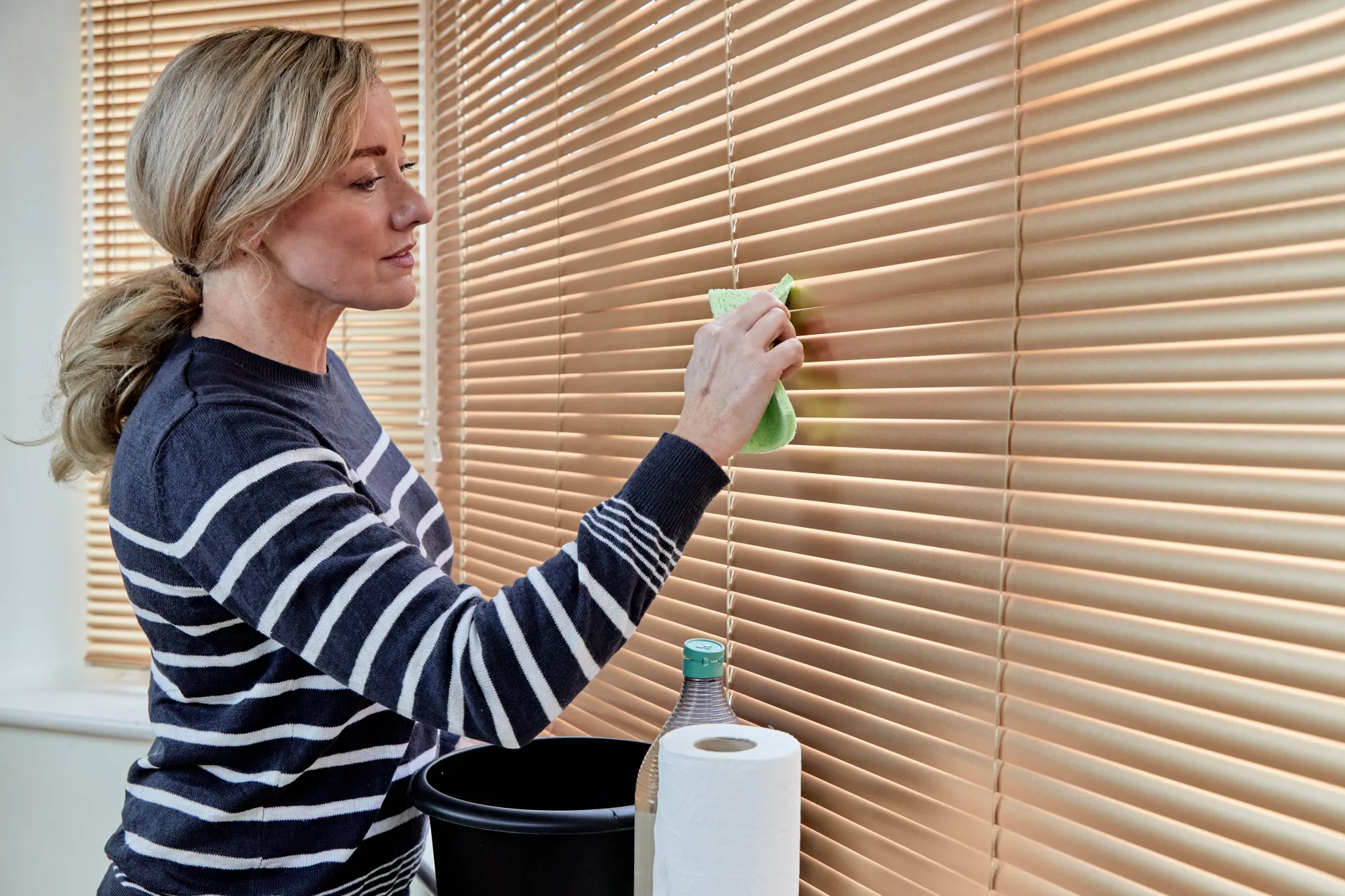

Blinds collect dust quickly, and their slats, string ladders, and headrails give dirt plenty of places to hide. The right technique makes a real difference: with a method matched to your blind type, you can clean blinds fast and keep them looking new without harsh chemicals or hours of effort. This guide covers proven cleaning methods for every material, vinyl, aluminum, wood, faux wood, fabric, and vertical blinds In Dubai, along with the tools and maintenance habits that keep cleaning time to a minimum.
Why Blinds Get Dirty So Quickly?
Blinds sit directly in the path of airflow from windows, vents, and ceiling fans, which makes them a magnet for airborne dust, pet dander, and allergens. Horizontal slats trap grime along their top edges, while string ladders and tilt mechanisms collect buildup that's easy to overlook. Kitchen blinds face an added challenge, since grease particles from cooking cling to the surface and turn ordinary dust into a sticky film. A quick weekly wipe-down keeps this buildup from turning into a bigger cleaning job later.
What You'll Need to Clean Blinds Fast
Before diving into methods, gather a few basic supplies. Most of these are things you likely already have at home:
- Microfiber cloth or microfiber gloves
- Vacuum cleaner with a soft brush attachment
- A clean sock (for the sock-wipe method)
- White vinegar and mild dish soap
- A bucket or bathtub for soaking (vinyl/aluminum only)
- A dry, soft-bristle paintbrush for tight crevices
- Dryer sheets (to reduce static and repel dust)
The Fastest General Method: Vacuum and Wipe
If you're short on time, this two-step combo works on almost any blind type except wood:
- Close the blinds fully so each slat lies flat, creating one continuous surface.
- Vacuum with a brush attachment on low suction, working top to bottom to catch loosened dust before it settles elsewhere.
- Flip the blinds and repeat on the other side.
- Wipe with a slightly damp microfiber cloth to lift any residue the vacuum missed.
This routine takes just a few minutes per window and, done weekly, prevents heavy buildup from forming in the first place.
How to Clean Vinyl and Aluminum Blinds
Vinyl and aluminum are the most water-resistant blind materials, which makes them the easiest to clean thoroughly.
The Sock-Wipe Method
Mix a solution of warm water, white vinegar, and a small squirt of dish soap in a bowl. Slip a clean sock over your hand, dip it into the solution, and glide it along each slat from end to end, pinching gently so both sides get cleaned in one pass. Rinse the sock in clean water periodically, and swap it out once it gets too dirty.
The Bathtub Soak
For blackout blinds that are heavily soiled, remove them and lay them flat in a bathtub filled with warm water and a vinegar-and-baking-soda mix. Let them soak for about an hour, scrub any stubborn spots with a sponge, then rinse and hang to air-dry before rehanging. This method is ideal for seasonal deep cleaning rather than a quick fix.
How to Clean Wood and Faux Wood Blinds
Real wood blinds should never be soaked or heavily dampened, since moisture can warp the slats or damage the finish. Faux wood blinds (made from PVC or composite materials) are more moisture-tolerant but still shouldn't be submerged.
- Weekly dusting: Use a dry microfiber cloth or a duster with the brush attachment on your vacuum, working from top to bottom.
- Spot cleaning: For faux wood, lightly dampen a cloth with a mild cleaning solution and wipe gently, never soak.
- Real wood care: Stick to dry dusting, and use furniture polish or a wood-safe cleaner occasionally to restore shine.
- Finish it off: Wipe with a dryer sheet after cleaning to cut down on static, which is a major reason wood blinds attract dust so quickly.
How to Clean Fabric and Cellular Blinds
Fabric and cellular (honeycomb) shades need a gentler touch since water and scrubbing can damage the material.
- Vacuum gently using a low-suction brush attachment to lift surface dust.
- Spot-treat stains with a small amount of mild detergent on a soft cloth, never soak or scrub aggressively.
- For a deeper clean, consider professional dry cleaning or follow the manufacturer's care instructions exactly.
How to Clean Vertical and Mini Blinds
Vertical blinds and narrow-slat mini blinds each come with their own cleaning challenges.
Vertical blinds: Hold each vane steady while running a duster or vacuum brush from top to bottom on both sides. Because the slats hang loosely, work one at a time rather than trying to clean several simultaneously.
Mini blinds: The narrow slats bend easily, so support the bottom of the blind with one hand while vacuuming with the other. For yellowed or discolored plastic mini blinds, lay them flat in an empty tub, spray with a warm water and mild cleaner mix, let sit for a few minutes, then rinse with a handheld showerhead and hang to dry immediately.
Quick Hacks That Save Time
- Lint roller trick: A sticky lint roller swiped across fabric shades or textured slats picks up dust instantly without spreading it around the room.
- Two-handed wipe: Hold a microfiber cloth in both hands, one on each side of a slat, and slide them along together to clean both sides at once.
- Paintbrush for crevices: A small, dry paintbrush reaches the tight spot where the string ladder meets the slat, an area cloths often miss.
- Extendable duster for high windows: A telescoping duster lets you reach tall or awkward windows without a step stool, saving time on hard-to-access blinds.
How Often Should You Clean Blinds?
- Weekly: Quick dusting or vacuuming to prevent buildup.
- Twice a month: Sock-wipe method for vinyl and aluminum blinds.
- Seasonally: A deep clean or bathtub soak for heavily soiled blinds.
- As needed: Spot cleaning for grease in kitchens or high-traffic rooms.
Sticking to a light, regular routine is what actually makes blind cleaning fast, the less dust builds up between sessions, the less time each cleaning takes.
Final Thoughts
Cleaning blinds doesn't have to eat up your afternoon. Matching the method to your blind material, vacuum-and-wipe for quick upkeep, the sock method for vinyl and aluminum, dry dusting for wood, and gentle spot cleaning for fabric, lets you get the job done fast without risking damage. Build a simple weekly habit, and your blinds will stay dust-free, allergen-free, and looking their best all year round.
Frequently Asked Questions
Can I get wooden blinds wet?
No. Water can warp real wood slats and damage the finish. Stick to dry dusting and wood-safe polish instead.
What's the fastest way to clean blinds without taking them down?
Close the slats flat, vacuum with a brush attachment from top to bottom, then wipe with a microfiber cloth. This works while blinds stay mounted.
How do I clean greasy kitchen blinds?
A diluted dish soap solution, like Dawn mixed with warm water, cuts through grease effectively on vinyl or aluminum blinds.
Is vinegar safe for all blinds?
Vinegar solutions work well on vinyl, aluminum, and faux wood, but should be avoided on real wood blinds, where moisture can cause damage.


























Sign in to leave a comment.