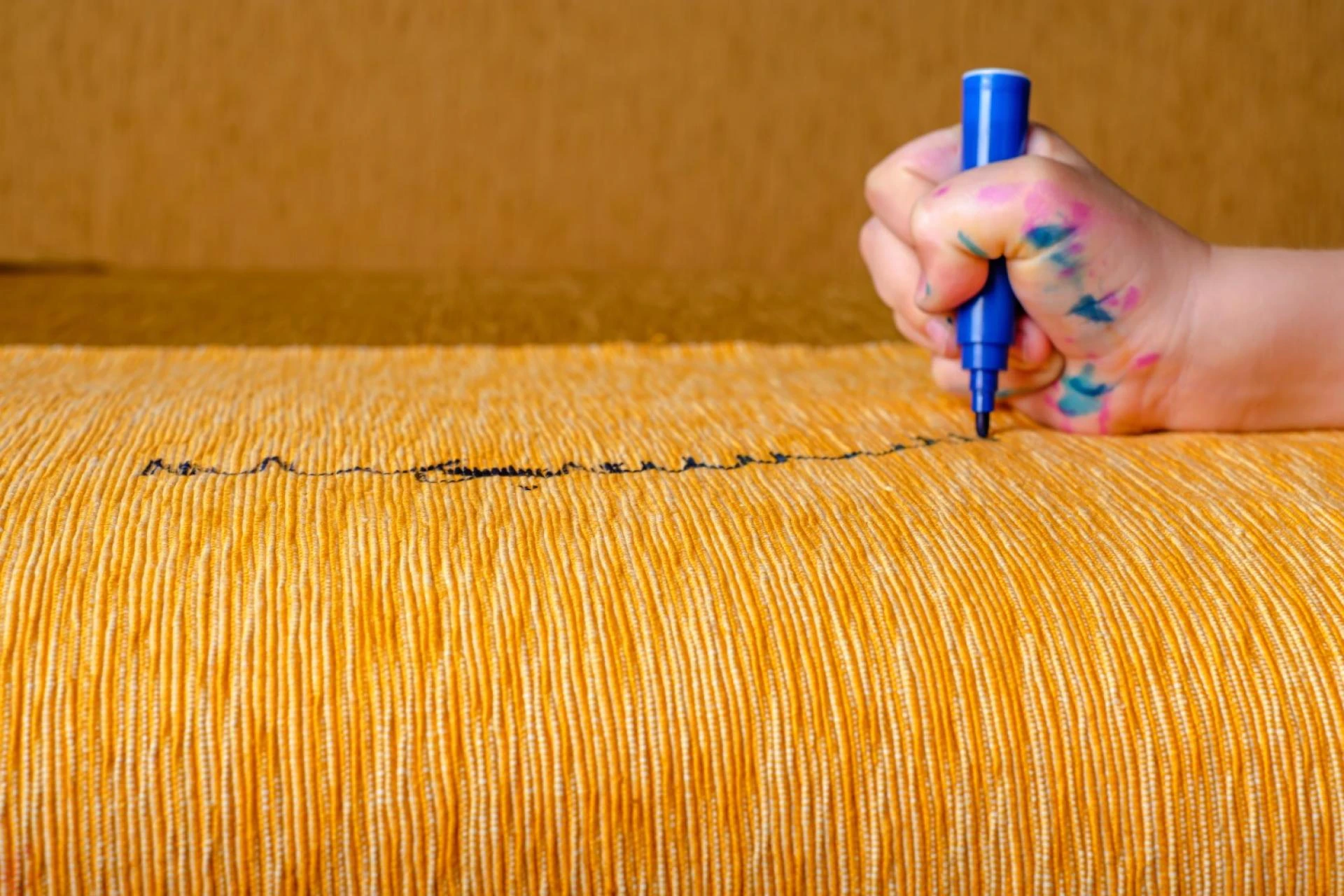

If you’ve ever faced the frustration of discovering pen marks on your leather sofa, you’re not alone. Whether it’s the result of an accidental scribble, a child’s artwork, or a pen that leaked unnoticed, ink stains on leather can feel like a nightmare. But the good news is: you can remove them effectively at home — without damaging your precious sofa.
In this blog post, we’ll walk you through safe, simple, and proven methods on how to clean leather sofa pen marks using both everyday items and specialized products. No guesswork — just clear, actionable steps.
Why Ink Stains on Leather Are Tricky
Ink penetrates quickly into leather because of the material’s porous nature. The longer it sits, the harder it becomes to remove. Leather also varies by type — some are more delicate, while others are treated with protective coatings. That’s why identifying the type of leather you have is the first step before attempting any cleaning process.
First Things First: Act Fast
The sooner you spot the pen mark, the better your chances of removing it completely. Fresh stains are much easier to clean than dried or set-in ink. As soon as you notice it, do not rub — blot gently with a paper towel to absorb as much of the ink as possible. This prevents the stain from spreading deeper into the leather fibers.
Method 1: Using Isopropyl Alcohol (Rubbing Alcohol)
One of the safest and most effective methods is using isopropyl alcohol, especially 70–90% solutions.
Steps:
- Take a clean cotton swab or soft cloth.
- Dampen it with a small amount of alcohol (don’t soak it).
- Gently dab the ink stain — do not scrub.
- Let it sit for a minute.
- Wipe off the area with a clean, damp cloth.
Tip: Always test on a hidden part of the sofa first to check for discoloration.
Method 2: Vinegar and Dish Soap Solution
If you prefer a natural solution, this method works well for mild stains.
What you need:
- 1 tablespoon white vinegar
- 1 tablespoon mild dish soap
- 1 cup warm water
Instructions:
- Mix the solution in a bowl.
- Dip a clean cloth in the mixture.
- Gently rub the stained area.
- Let it sit for a few minutes.
- Wipe off with a damp cloth and dry immediately.
This method not only removes the pen mark but also neutralizes odors without damaging the leather.
Method 3: Leather Cleaner or Conditioner
There are commercial products made specifically for cleaning leather. These are ideal for expensive or delicate sofas where you don’t want to take risks with homemade remedies.
Steps:
- Apply a small amount of leather cleaner to a microfiber cloth.
- Gently massage it into the stain in a circular motion.
- Let it sit according to the product’s instructions.
- Wipe off any residue with a dry cloth.
- Follow up with a leather conditioner to restore moisture.
What Not to Do
Many people unknowingly damage their leather trying to clean pen stains. Avoid the following:
- Do not use nail polish remover (contains acetone — too harsh).
- Do not soak the leather with water — it can cause stains or cracks.
- Do not use harsh scrubbing brushes — they can scratch the surface.
How to Prevent Future Ink Stains
Prevention is just as important as treatment. Here’s how you can avoid future mishaps:
- Keep pens and markers away from the sofa.
- Use throws or sofa covers when children are around.
- Apply a leather protector regularly — it adds a barrier against stains.
- Clean small stains immediately — don’t let them sit.
When to Call a Professional
If the pen mark has deeply set into the leather or none of the above methods work, it may be time to consult a professional leather cleaner. They have specialized tools and solvents that can remove even stubborn ink without compromising the material’s finish.





























Sign in to leave a comment.