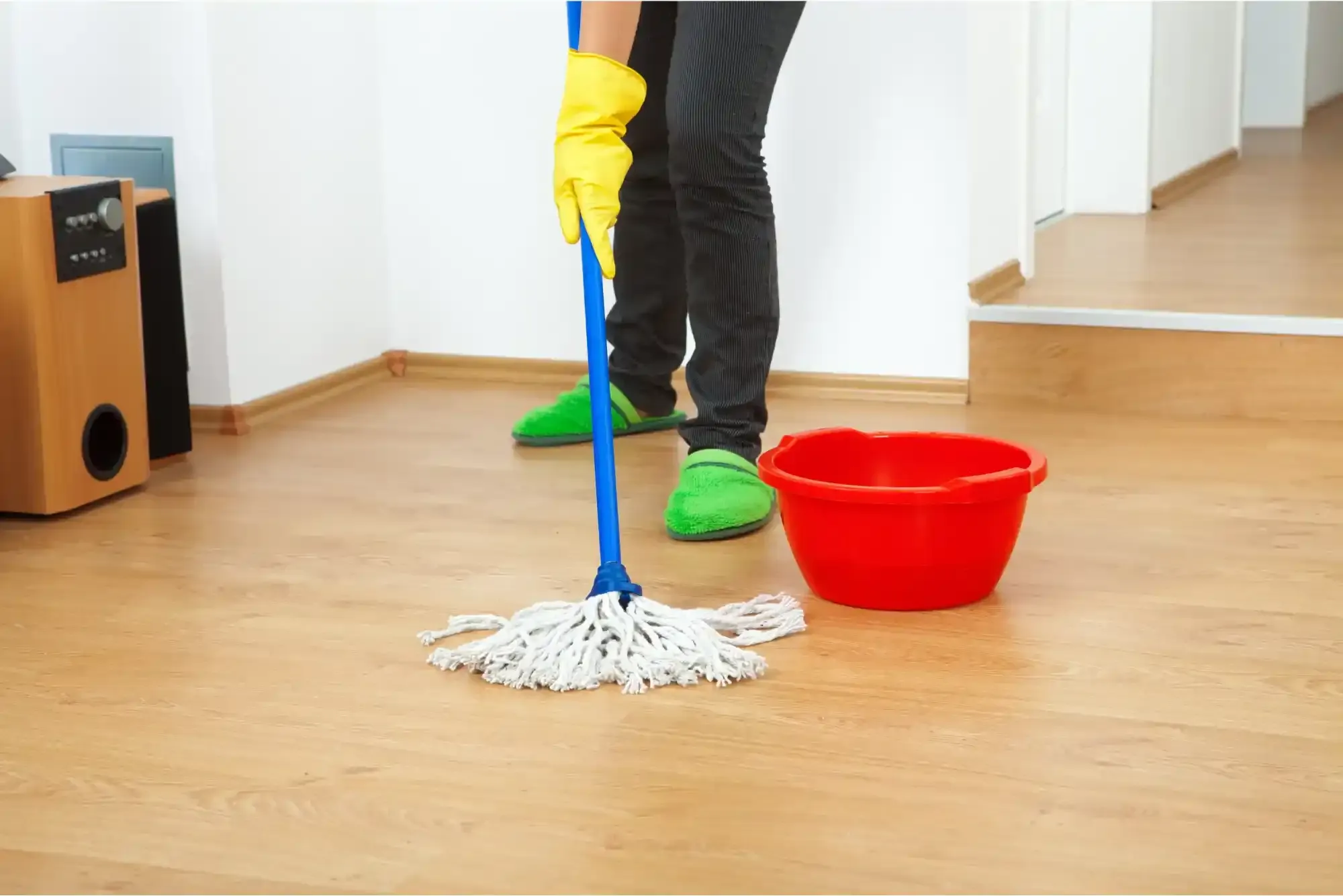

Vinyl flooring has a reputation for being nearly maintenance-free, and for good reason. Its protective wear layer keeps dirt, spills, and grime sitting on the surface instead of soaking in, which means you don't need a cabinet full of specialty products to keep it looking new. Still, a few wrong habits, too much water, the wrong vacuum setting, or a harsh chemical cleaner, can dull the shine or damage the surface over time.
Here's exactly how to clean vinyl flooring in Dubai the right way, from daily upkeep to deep cleaning and stain removal, along with a few homemade cleaning solutions you can mix up in minutes.
Why Vinyl Floors Are Easy to Clean (But Not Indestructible)
Unlike porous materials such as unsealed wood or natural stone, vinyl has a tough, water-resistant top layer that keeps moisture and debris from sinking into the material itself. That's what makes routine cleaning so simple. But that same surface can be scratched by grit, dulled by the wrong products, or warped by excess water pooling in the seams. Knowing the do's and don'ts is really the whole trick to keeping vinyl looking its best for years.
What You'll Need
Before you start, gather a few basic supplies. You likely already own most of them:
- A soft-bristle broom or a vacuum with a bare-floor setting (no beater bar or rotating brush)
- A microfiber dust mop for daily sweeping
- A microfiber mop or a flat-head mop for damp cleaning
- Two buckets (one for cleaning solution, one for rinse water)
- A soft cloth or microfiber towel for drying and blotting spills
- A pH-neutral vinyl floor cleaner, or a simple vinegar-and-water solution
Avoid anything abrasive, steel wool, scrub brushes with stiff bristles, or scouring pads will leave fine scratches that dull the finish over time.
Step-by-Step: How to Clean Vinyl Flooring
1. Sweep or Vacuum First
Every cleaning session should start by removing loose dirt, dust, sand, and pet hair. This step matters more than people realize, since grit left on the floor acts like sandpaper once you start mopping and can scratch the surface. A soft-bristle broom or a microfiber dust mop works well for daily upkeep. If you'd rather vacuum, switch to the bare-floor or hard-surface setting and skip any attachment with a beater bar or rotating brush, since these are designed for carpet and can chew up a vinyl surface.
2. Mix a Gentle Cleaning Solution
For weekly mopping, you don't need anything harsh. A bucket of warm water with a small amount of mild dish soap or a pH-neutral floor cleaner is usually enough. If you prefer a natural option, a simple vinegar solution works just as well:
- Combine 1 cup of white vinegar (or apple cider vinegar) with 1 gallon of warm water
- For extra grime, add a few drops of dish soap
- For dull, lackluster floors, a capful of baby oil added to the mix can help restore some shine
Skip castile soap in DIY recipes, it's oil-based and tends to leave streaks rather than lifting them.
3. Damp Mop, Don't Soak
This is where most people go wrong. Vinyl is water-resistant, not waterproof, and pooled water can seep into the seams between planks or tiles, loosening adhesive or causing the material to warp. Dip your mop in the solution, then wring it out thoroughly before it touches the floor, it should feel damp, not dripping. Work in small sections, rinsing the mop periodically so you're not just pushing dirty water around.
4. Rinse to Prevent Residue
If you used a soap-based solution for cleaning of flooring in Dubai, go over the floor a second time with a mop dipped in clean water. This rinse step removes any leftover soap film, which is often the real cause of that cloudy, streaky look people mistake for a "dirty" floor. Vinegar-based solutions typically don't require rinsing since they don't leave a residue behind.
5. Dry the Floor Completely
Finish by drying the floor with a clean microfiber towel or a dry mop, especially in humid climates or bathrooms where standing moisture is more of a concern. This step also prevents slipping and stops water spots from forming as the floor air-dries.
Removing Tough Stains From Vinyl Flooring
Everyday mopping handles dust and light grime, but some stains need a bit more attention:
- Food and drink stains (juice, wine, ketchup, coffee): Make a paste of baking soda and water, rub it gently onto the stain with a soft cloth, then wipe clean with a damp cloth.
- Scuff marks: A dab of baking soda on a damp cloth, rubbed gently, usually lifts scuffs without scratching the finish.
- Grease or oil spots: A small amount of dish soap applied directly to the spot, worked in with a soft cloth, breaks the grease down effectively.
- Ink, marker, or dye stains: Rubbing alcohol on a cloth can lift these, but always test on a hidden corner first.
Whatever the stain, the same rule applies: blot and treat spills as soon as they happen. The longer a spill sits, the more likely it is to seep into the seams and leave a lasting mark.
What to Avoid When Cleaning Vinyl Floors
A few habits can undo all your careful cleaning:
- Don't use a steam mop. The heat and moisture can weaken the adhesive beneath vinyl and cause the seams to lift over time.
- Don't use ammonia, bleach, or abrasive cleaners. These strip the protective finish and leave the surface looking dull.
- Don't wax or polish. Vinyl doesn't need it, and wax build-up actually attracts more dirt and creates a hazy film.
- Don't drag furniture across the floor. Lift items instead, or use felt pads and furniture glides to prevent gouges.
- Don't flood the floor with water. Even a well-wrung mop is safer than a bucket poured straight onto the surface.
Everyday Habits That Keep Vinyl Floors Looking New
Cleaning is only half the equation, a bit of prevention goes a long way toward keeping your floors looking freshly installed:
- Place doormats at every entry point to trap dirt, sand, and moisture before it reaches the floor
- Use felt pads under furniture legs, and swap out any small casters for wider, non-marking ones
- Trim pets' nails regularly to reduce scratching
- Keep curtains or blinds partly closed in rooms where direct sunlight hits the floor, since prolonged UV exposure can cause fading
- Wipe up spills the moment they happen rather than letting them sit
How Often Should You Clean Vinyl Flooring?
Sweeping or dry-mopping daily (or every couple of days in busy households with kids or pets) keeps grit from building up. A full damp mop once a week is generally enough for most homes, though high-traffic areas like kitchens and entryways may benefit from twice-weekly attention. Adjust based on foot traffic rather than sticking to a rigid schedule.
Final Thoughts
Cleaning vinyl flooring doesn't have to be complicated. A regular sweep, a weekly damp mop with a gentle solution, and a few preventive habits are usually all it takes to keep the floor looking as good as the day it was installed. Skip the harsh chemicals, keep the water in check, and treat spills the moment they happen, your floors will thank you for it.
Frequently Asked Questions
Is vinegar safe for vinyl floors?
Yes. Diluted white or apple cider vinegar is one of the most commonly recommended natural cleaners for vinyl, since it breaks down grime without leaving a sticky film behind. Just don't mix it too strong, too much acidity over time can dull the finish.
Can I use a regular vacuum on vinyl flooring?
Only if it's switched to the hard-floor setting and doesn't have a rotating brush head. Vacuums built for carpet can scratch or gouge the surface.
Will homemade cleaners leave streaks?
Not if you use the right ratio and rinse afterward when using a soap-based mix. Vinegar solutions typically dry streak-free without any rinsing needed.
Do vinyl floors need to be sealed or waxed?
No. Most vinyl flooring comes with a factory-applied wear layer that doesn't require any additional sealant, wax, or polish.





















Sign in to leave a comment.