
Five years ago Clyde was mostly paddocks. Now it's one of the busier growth corridors in Melbourne's south-east — about 48km out from the CBD, sitting in the City of Casey just past Cranbourne. Estates keep going up, and depending which projection you look at, there are still tens of thousands of homes yet to be built.
If you're moving in — whether it's your first home in a brand-new estate, or you're relocating from somewhere more established nearby — there's a bit more to plan for than a standard suburban move. Here's what tends to trip people up, and what to check before booking anyone to help you shift.
The suburb is still, quite literally, being built
New roads pop up faster than mapping apps can keep track of them. If you've bought into one of the newer estates, don't assume Google Maps or Apple Maps has your street right yet — plenty of removalists and delivery drivers turn up on the wrong side of an unfinished road because the app sent them there. Clyde Central, around Berwick-Cranbourne Road and Morison Road, is the one part of the suburb that's properly established, with shops and services people rely on. Everything branching off it, though, can still be a bit of a building site.
Even people who've been in Clyde a couple of years still ask for directions sometimes, once you get into the newest streets.
Parking and access, hit or miss
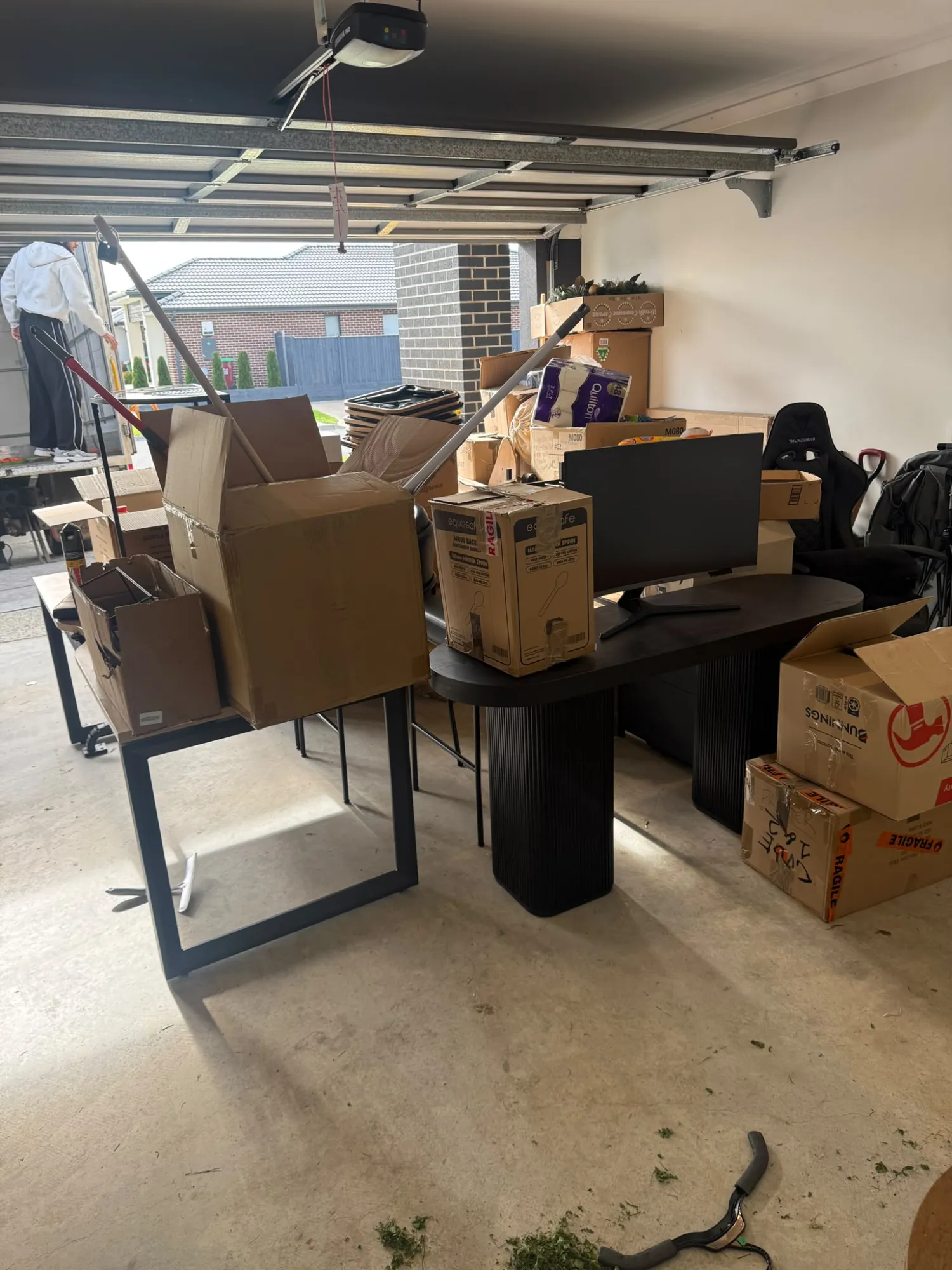
Older parts of Clyde are fine for a standard-sized truck. Newer townhouse developments are a different story — some have driveways or shared laneways that weren't really built with an 8-tonne truck in mind. Add in construction traffic from nearby estates, and parking on moving day can be tighter than you'd expect.
Worth checking ahead: does your development have rules around trucks or loading zones? A lot of body corporates do, and nobody tells you until moving day is already underway.
Getting around Clyde right now
There's no train station in Clyde yet — Cranbourne is the nearest, about ten minutes away by car — though a Clyde station has been talked about for future rail planning. Most people rely on the South Gippsland Highway and local buses to get anywhere. Casey Fields, the big sporting precinct, sits just west of the suburb, and Fountain Gate — one of the larger shopping centres in the country — is a short drive if Clyde Central doesn't have what you need.
For moving day, that road-dependence actually matters. Traffic around the Cranbourne interchange during peak hours can eat up more time than people budget for.
Finding removalists who actually know Clyde
There's a difference between a removalist near Clyde who's happy to drive out for a one-off job, and one who's actually in the area often enough to know which estates are half-finished and which streets get blocked by construction. Removalists in Clyde who work the suburb regularly tend to just know this stuff — which corners are too tight for a big truck, which roads flood a bit after rain, that sort of thing.
Ask that question and you'll usually know within a minute whether you're talking to a removalists Clyde resident would vouch for. Ring A Mover's one of the crews that covers the Casey corridor often enough to fit that description — not a bad starting point if you'd rather not explain your street to someone hearing about it for the first time.
A short list of things to sort out beforehand
• Double-check your address with the removalist — street numbering in new estates isn't always consistent.
• Ask if truck access has actually been checked for your street, not just the general area.
• If you're near Casey Fields or Clyde Central, keep weekend events and traffic in mind when booking a time.
• Check with your developer or body corporate about any restrictions on moving trucks.
• Get a couple of quotes, not just the first result you find.
• If there's active construction near your new place, ask about a backup route in case the main road's closed on the day.
A note on timing your move
Weekends are chaos, honestly. So many people move in around the same construction stage that trucks get booked out fast. If your dates have any give in them, try a weekday — easier to book, and sometimes cheaper too.
And don't forget the sun. Clyde's a lot more open than the older, leafier suburbs closer to town, so a summer moving day with no tree cover anywhere is rough going. Early starts help.
Worth it, growing pains and all
New schools are opening as the population grows. Cranbourne's established amenities are close by. And house-and-land prices, for now at least, are still lower than most of Melbourne's east and south-east — which is a big part of why Clyde keeps showing up on lists of the city's most in-demand growth suburbs.
None of the planning above is complicated, it's just easy to skip if nobody mentions it. A quick conversation about access and timing before moving day tends to be the difference between a smooth run and a stressful one.
Talk to whoever you book early, not the morning of. A five-minute call about your street, your driveway, and whatever's happening with construction nearby saves everyone a headache later.






















Sign in to leave a comment.