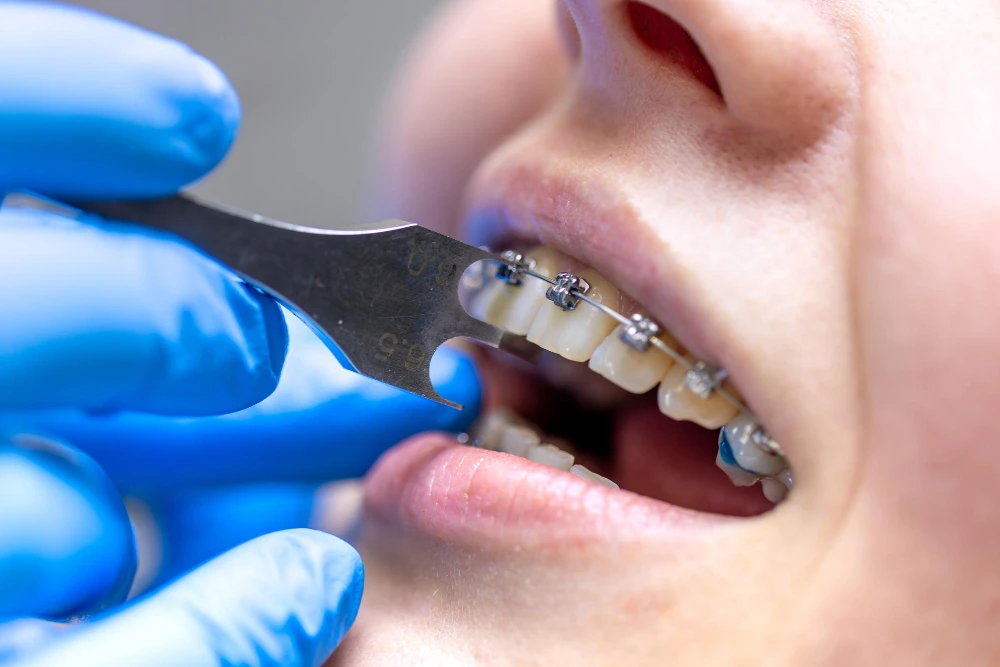

Wearing braces is a major step toward achieving a straighter, healthier smile—but it comes with added responsibilities. One of the most important is maintaining a solid oral hygiene routine. With brackets, wires, and rubber bands in the way, cleaning your teeth becomes a bit more complex—but not impossible.
Without proper care, plaque and food particles can build up around braces, leading to tooth decay, gum disease, bad breath, and permanent stains or white spots on your teeth. That’s why developing a thorough and consistent cleaning routine is crucial while wearing braces.
In this article, we’ll guide you through an effective daily oral hygiene routine designed specifically for people with braces, helping you protect your teeth and gums while getting the best possible results from your orthodontic treatment.
Why Cleaning Your Teeth with Braces Is So Important
Before diving into the steps, let’s quickly understand the risks of poor hygiene with braces:
- Plaque buildup: Braces create small spaces where food and bacteria can get trapped. Without thorough cleaning, plaque hardens into tartar.
- Tooth decay: Sugar and starch left in the mouth mix with bacteria to form acid, which attacks enamel.
- Gum problems: Poor brushing can lead to swollen, bleeding gums (gingivitis).
- Decalcification: White spots or permanent stains can develop around brackets.
- Longer treatment time: Poor hygiene can lead to complications that delay orthodontic progress.
By adopting the right tools and techniques, you can avoid these issues and ensure your smile looks amazing once the braces come off.
Step-by-Step Daily Braces Cleaning Routine
1. Rinse Your Mouth with Water First
Start your oral care routine by vigorously rinsing your mouth with water to loosen any large food particles stuck in and around your braces.
Why it matters:
This simple step makes brushing more effective by removing loose debris and allowing you to target plaque buildup directly.
2. Brush After Every Meal
While brushing twice a day is the general recommendation for most people, those with braces should aim to brush after every meal and snack.
Brushing tips:
- Use a soft-bristled toothbrush or an electric toothbrush with an orthodontic head.
- Hold the brush at a 45-degree angle to clean above and below the brackets.
- Gently clean each tooth individually, especially near the gumline and between the braces.
- Brush for at least 2–3 minutes.
- Don’t forget your tongue, inner cheeks, and roof of your mouth.
Toothpaste:
Use a fluoride toothpaste to strengthen enamel and fight cavities. Avoid whitening toothpaste while wearing braces, as it may cause uneven coloration.
3. Use an Interdental Brush or Proxabrush
An interdental brush (also called a proxabrush) is a small, cone-shaped brush designed to clean between teeth and under the wires.
How to use:
- Gently insert the brush between braces and under the archwire.
- Move it back and forth to remove plaque and trapped food.
- Rinse it after each use and replace it when worn out.
This tool is especially helpful in places your regular toothbrush can't reach.
4. Floss Once a Day (Yes, Even with Braces!)
Flossing with braces takes more time and patience, but it’s essential for cleaning between teeth and preventing gum disease.
Options for flossing with braces:
- Orthodontic floss threaders: These help guide dental floss behind each wire.
- Super floss: Comes with a stiff end and a spongy middle—ideal for braces.
- Water flosser (oral irrigator): A device that uses a pressurized stream of water to clean between teeth and around brackets. It’s an excellent alternative if traditional flossing feels too difficult.
Flossing at least once daily—preferably before bed—helps remove plaque and food particles from hard-to-reach places.
5. Use an Antibacterial Mouthwash
After brushing and flossing, rinse with an alcohol-free, antibacterial mouthwash to reduce plaque, soothe gums, and keep your breath fresh.
Choose a fluoride-based rinse to help strengthen your enamel and protect against cavities.
Swish the mouthwash around your mouth for 30 to 60 seconds, ensuring it reaches all areas.
6. Clean Your Braces and Appliances
Don’t just focus on your teeth—your braces also need direct cleaning.
Tips:
- Use an orthodontic toothbrush with a V-shaped bristle design to get around brackets.
- Scrub gently but thoroughly around each bracket and wire.
- Replace your toothbrush every 3–4 months or sooner if the bristles are frayed.
If you use rubber bands, retainers, or other removable appliances, clean them daily using the method recommended by your orthodontist.
Helpful Tools for Cleaning Braces
Here are some recommended tools to make your cleaning routine easier:
- Orthodontic toothbrush
- Electric toothbrush with ortho head
- Interdental brush
- Floss threader or super floss
- Water flosser
- Fluoride mouthwash
- Travel-sized dental kit (for cleaning on the go)
What to Avoid While Cleaning with Braces
- Don’t brush too hard. Brushing with excessive pressure can damage your enamel and gums.
- Avoid using toothpicks or sharp objects to dislodge food—they can damage your braces or injure your gums.
- Don’t skip flossing—it’s time-consuming but worth it.
- Don’t use whitening products—they can leave uneven shades once your braces come off.
Regular Dental Check-Ups Matter
While your orthodontist will see you for adjustments, don’t forget about your regular dental cleanings. Professional cleanings every 6 months (or more frequently if advised) help remove tartar that your daily routine might miss.
Dentists can also spot signs of decay or inflammation early and offer fluoride treatments or other protective measures.
Final Thoughts: Clean Teeth A Beautiful Smile
Braces are an investment—in time, money, and effort. But their results are long-lasting and life-changing. Keeping your teeth clean during treatment ensures you not only get straighter teeth but also a healthy, beautiful smile when the braces come off.
It's also worth noting that the average cost of braces can be significant depending on the type (metal, ceramic, lingual, or clear aligners) and your location. Because you're already making a financial commitment, maintaining good oral hygiene is essential to protect that investment and avoid additional dental expenses during or after treatment.






























Sign in to leave a comment.