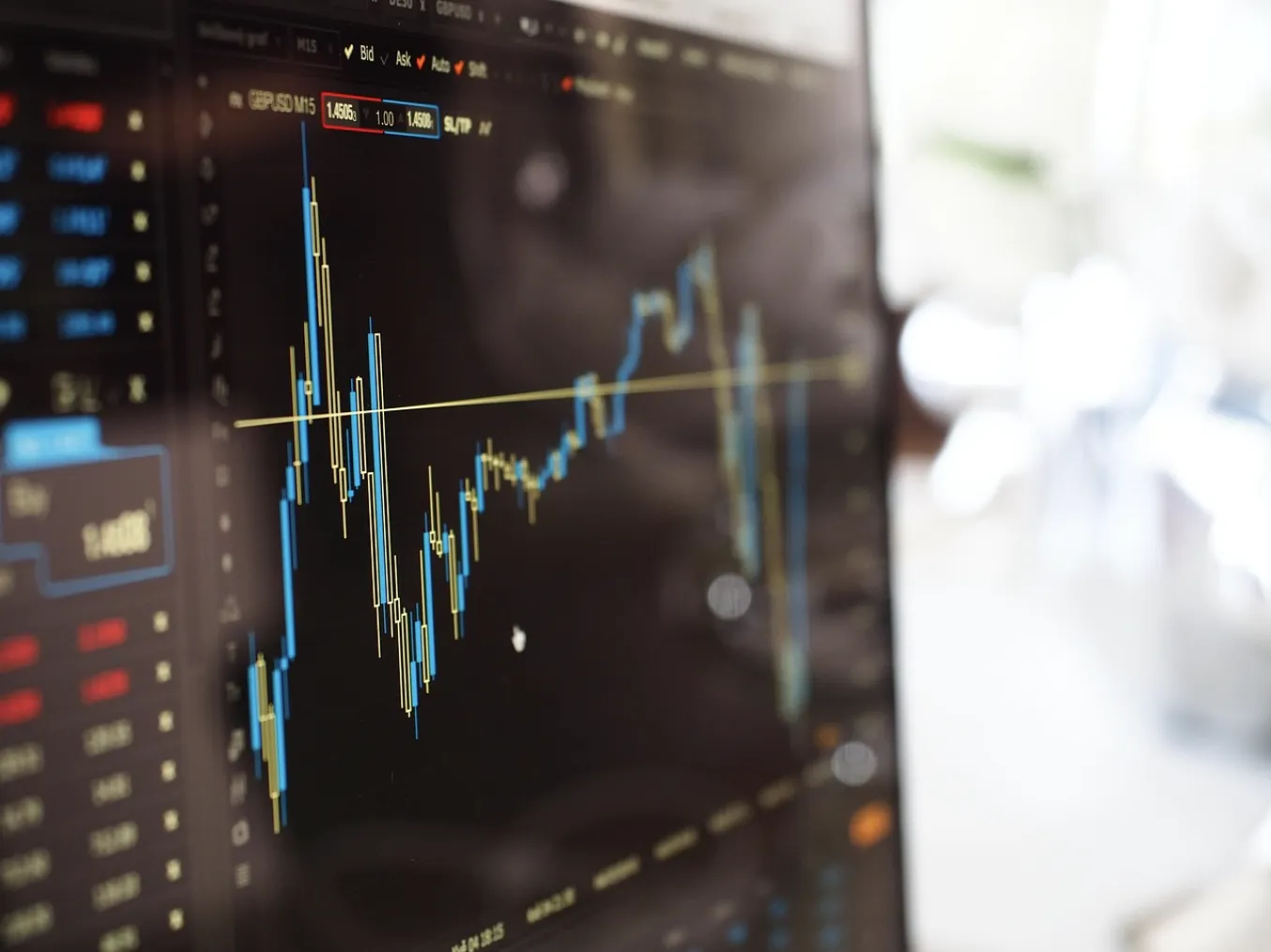

Choosing a stock screener is an important decision for traders and investors. The Indian stock market has thousands of listed companies, multiple sectors, different trading styles, and fast-changing market conditions. Without the right tool, traders may waste hours checking charts manually and still miss better opportunities.
A stock screener helps filter stocks based on selected conditions such as price, volume, trend, sector, technical indicators, fundamentals, and trading setups. But the real challenge is not just using a stock screener. The challenge is choosing the right one.
Today, many stock screeners are available in India. Some are free, some are paid, some are useful for investors, and some are designed for active traders. If you are searching for the Best Stock Screener in India, you should compare different tools carefully before making a decision.
The best screener is not always the one with the most features. It is the one that matches your trading style, saves time, provides accurate data, and helps you make more disciplined market decisions.
Why Comparing Stock Screeners Is Important
Many traders select a screener only because it is popular or free. But this approach may not work for everyone. A beginner investor, an intraday trader, a swing trader, and a demand-supply trader all need different types of screening support.
For example, an investor may need filters like revenue growth, profit margin, debt ratio, and valuation. But an intraday trader may need live price movement, volume spikes, breakout alerts, and quick watchlist updates.
If you choose a screener without comparing it properly, you may end up with a tool that does not support your actual strategy.
That is why comparing stock screeners before choosing one is important. It helps you avoid confusion, save money, and select a tool that genuinely fits your market routine.
1. Compare Based on Your Trading Style
The first step is to understand your own trading style. A stock screener should support the way you trade or invest.
If you are an intraday trader, you need a screener that provides fast data, live scanning, momentum filters, volume alerts, and price movement updates. If you are a swing trader, you need trend filters, breakout scans, support-resistance levels, and multi-day volume analysis. If you are a long-term investor, you need fundamental filters such as earnings growth, return ratios, valuation, debt levels, and cash flow.
The Best Stock Screener in India for one trader may not be the best for another. So before comparing tools, first define your purpose.
Ask yourself:
- Do I trade intraday or swing?
- Do I focus on technical analysis or fundamentals?
- Do I need real-time alerts?
- Do I follow price action, indicators, or demand-supply zones?
- Do I want stock ideas or deeper analysis?
Once your purpose is clear, comparison becomes easier.
2. Compare Data Speed and Accuracy
Data is the foundation of any stock screener. If the data is slow, inaccurate, or incomplete, the screening results may not be reliable.
For active traders, data speed is extremely important. A delayed screener may show a breakout after the stock has already moved. This can result in late entries and poor risk-reward.
When comparing screeners, check whether the tool offers real-time data, near real-time data, or end-of-day data. End-of-day data may be enough for investors, but intraday traders need faster updates.
Also check data accuracy. Wrong volume, wrong price levels, or incorrect technical signals can lead to bad decisions.
The Best Stock Screener in India should provide reliable and timely data so traders can trust the results before taking action.
3. Compare Filtering Options
A screener is only useful when it has practical and relevant filters. Basic screeners may allow filters like price, market cap, and sector. Advanced screeners may provide filters for volume, trend, moving averages, candlestick patterns, breakout levels, delivery data, volatility, and relative strength.
Before choosing a screener, compare what filters are available.
For technical traders, important filters may include:
- Price movement
- Volume change
- Moving averages
- RSI or momentum indicators
- Breakout and breakdown levels
- Support and resistance
- Candlestick patterns
- Sector strength
For investors, important filters may include:
- Revenue growth
- Profit growth
- Return on equity
- Debt-to-equity ratio
- Price-to-earnings ratio
- Cash flow
- Dividend history
For demand and supply traders, useful filters may include price zones, strong movement areas, trend structure, and volume confirmation.
A good screener should help you filter the market based on your own logic, not force you into generic stock lists.
4. Compare Customization Features
Every serious trader eventually develops a personal trading process. This is why customization is very important.
Some screeners only provide ready-made scans. These can be useful for beginners, but serious traders often need custom scans. They may want to combine multiple filters based on their own strategy.
For example, a trader may want to scan stocks that are above the 50-day moving average, showing high volume, and trading near a breakout level. Another trader may want to scan stocks approaching a demand zone after a pullback.
The Best Stock Screener in India should allow users to create, save, edit, and reuse custom scans. This helps traders build a repeatable process instead of starting from zero every day.
Customization also helps traders avoid unnecessary noise. They can focus only on stocks that match their setup.
5. Compare Alerts and Notifications
A good trading opportunity may not stay valid for long. This is especially true for intraday and short-term traders.
That is why alerts are an important feature to compare. A stock screener should allow traders to create alerts based on price, volume, breakout, trend, or custom conditions.
Without alerts, traders may have to watch multiple charts manually. This is difficult and time-consuming.
Good alerts help traders stay updated when a stock matches their selected criteria. For example, an alert can notify you when a stock crosses resistance, reaches a demand zone, shows unusual volume, or enters a watchlist condition.
The Best Stock Screener in India should make alerts simple, timely, and useful.
6. Compare Ease of Use
A stock screener can have many features, but if it is difficult to use, traders may not benefit from it. The tool should be easy to understand and simple to navigate.
When comparing screeners, check the dashboard, filter setup, watchlist creation, chart view, and alert settings. A good screener should not make traders feel confused.
Ease of use is especially important for beginners and intermediate traders. If a screener takes too much time to understand, traders may stop using it regularly.
The ideal screener should offer a balance between advanced features and simple usability.
7. Compare Watchlist and Tracking Features
Screening is only the first step. After shortlisting stocks, traders need to track them properly.
A useful screener should allow watchlist creation. Traders should be able to group stocks based on strategy, sector, timeframe, or opportunity type.
For example, you may create separate watchlists for:
- Intraday opportunities
- Swing trading setups
- Breakout stocks
- Stocks near demand zones
- Strong sector stocks
- Long-term investment ideas
Watchlists help traders stay organised and avoid losing track of important stocks.
8. Compare Technical and Fundamental Coverage
Some stock screeners focus mainly on fundamentals. Others focus mainly on technical analysis. Before choosing one, check whether it supports your preferred analysis style.
If you are an investor, fundamental coverage is important. If you are a trader, technical coverage matters more. If you are both a trader and investor, you may need a tool that provides both.
A strong screener should allow users to analyse stocks from multiple angles. Technical data can help with entry and exit planning, while fundamental data can help understand company quality.
However, the right balance depends on your goal.
9. Compare Pricing and Value
Price is important, but it should not be the only deciding factor. A free screener may look attractive, but if it does not provide the features you need, it may not be useful for serious trading.
Similarly, a paid screener is not automatically better just because it costs money. You should compare the value it provides.
Ask yourself:
- Does it save my research time?
- Does it provide useful filters?
- Does it support my trading strategy?
- Does it improve my decision-making process?
- Is the pricing reasonable for the features offered?
- Does it offer learning support or tutorials?
The Best Stock Screener in India should give practical value, not just a long feature list.
10. Compare Educational Support
Many traders use screeners without knowing how to interpret the results. This can lead to wrong decisions.
A good screener should provide educational support such as tutorials, guides, examples, training videos, or strategy explanations. This is especially useful for beginners who are still learning how to apply filters properly.
Educational support helps users understand why a stock appears in the screener and how to analyse it further.
A screener that combines technology with learning can be more useful than a tool that only shows stock names.
11. Compare Mobile and Desktop Experience
Indian traders often track the market from both desktop and mobile devices. A screener should work smoothly across platforms.
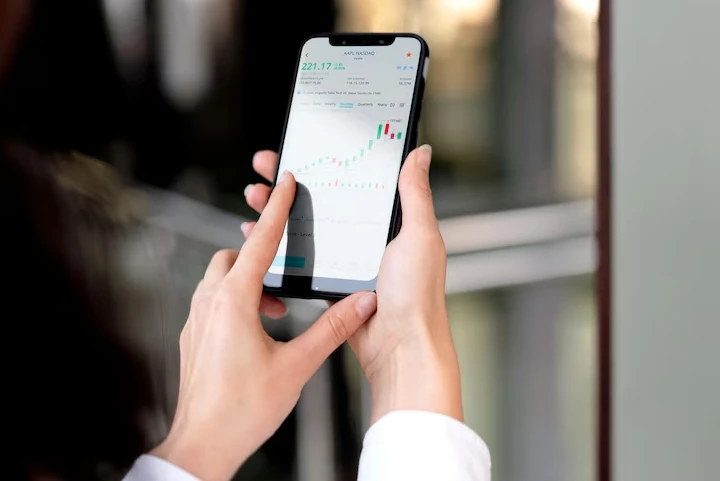
Desktop access is useful for detailed analysis, while mobile access is helpful for alerts, watchlists, and quick checks. Before choosing a screener, check whether the mobile experience is clean and reliable.
If the tool is difficult to use on mobile, traders may miss important updates when they are away from their system.
12. Compare Customer Support and Reliability
Good customer support becomes important when users face technical issues, data confusion, payment problems, or tool-related questions.
Before choosing a screener, check whether the platform offers support through chat, email, calls, help guides, or community channels.
A reliable platform should also have stable performance during market hours. If the tool slows down or crashes when the market is active, it can create problems for traders.
Final Checklist Before Choosing a Stock Screener
Before selecting the Best Stock Screener in India, compare each tool using this simple checklist:
- Does it match your trading or investing style?
- Does it provide accurate and timely data?
- Are the filters useful for your strategy?
- Can you create custom scans?
- Does it offer alerts and notifications?
- Is the dashboard easy to use?
- Can you create and manage watchlists?
- Does it support technical or fundamental analysis as needed?
- Is the pricing justified by the value?
- Does it provide educational support?
- Is it mobile-friendly?
- Is the platform reliable during market hours?
If a screener performs well on most of these points, it may be a good choice for your trading journey.
Final Thoughts
Choosing the right stock screener is not about following what everyone else is using. It is about selecting a tool that fits your own trading style, skill level, and market goals.
The Best Stock Screener in India should help you save time, filter better stocks, reduce market noise, and follow a structured decision-making process. It should provide accurate data, useful filters, customization, alerts, watchlists, and a smooth user experience.
Remember, a stock screener does not guarantee profits. It is a support tool that helps you find opportunities faster. The final decision should always come from your own analysis, risk management, and trading discipline.
If you compare stock screeners carefully before choosing one, you can avoid wasting time on the wrong tool and select a platform that genuinely supports your trading process.






















Sign in to leave a comment.