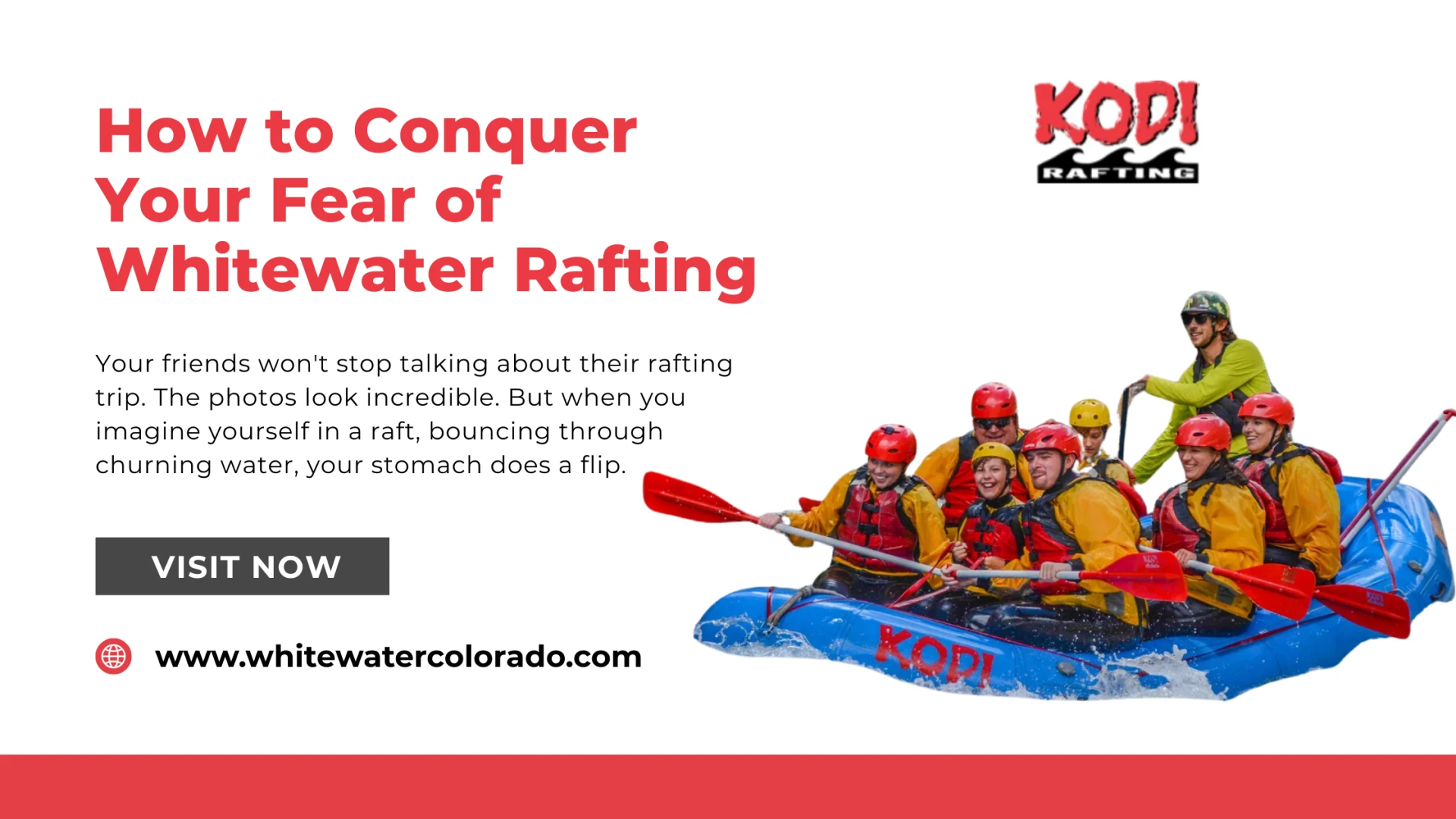

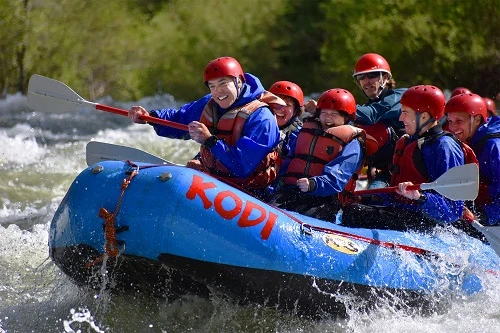
Your friends won't stop talking about their rafting trip. The photos look incredible. But when you imagine yourself in a raft, bouncing through churning water, your stomach does a flip.
Fear's holding you back, and you're not alone. Tons of people want to try rafting, but get stuck on the anxiety part. Here's the thing: that nervousness doesn't mean you can't do this. It means you're taking it seriously.
Start With the Right Trip
Not all rafting is extreme. Class I and II rapids? They're basically gentle floats with some splashes. Class III gets your adrenaline going but stays manageable for people who know what they're doing.
The key: Pick an experience that matches where you're at mentally, not jumping into Class V whitewater on day one.
Breckenridge Rafting Trips in Colorado offer options for every comfort level. You're not signing up for something that'll traumatize you. You are choosing the right challenge for right now.
Discuss your specific concerns with the outfitter. They have heard everything and won't judge. They'll recommend a section that lets you get comfortable in the water without feeling like you're fighting for your life.
Understand What's Actually Happening
Fear gets worse when your brain fills in the blanks. You imagine worst-case scenarios that probably won't happen. But when you understand the mechanics, how the raft stays afloat, how guides control movement, what your actual job is, suddenly it feels less like chaos and more like a manageable activity.
What keeps you safe:
- Modern rafting equipment is built to handle water
- Guides train constantly and does this hundreds of times
- Your life jacket keeps you afloat
- Safety gear exists for real reasons
- Guides aren't reckless; they're professionals managing risk so you can have fun. These facts matter more than your anxiety.
Meet Your Guides
The person leading your trip makes everything different. A good guide has energy, explains what's happening, and knows how to keep nervous people calm. They are not just steering the boat; they're your anchor in the moment.
When you're doing Breckenridge River Rafting in Colorado, you'll meet guides who genuinely enjoy helping first-timers work through nerves. They remember what it felt like to be new.
What good guides do:
- Won't push you harder than you're ready for
- Call out what's coming so you're never surprised
- Build trust before you even get on the water
- Meeting your guide before the trip starts is also helpful; it makes everything feel less intimidating.
The Mental Shift
Fear isn't the enemy here. It means you care about safety and respect the water.
The move: Shift from "I'm terrified" to "I'm prepared and ready." You're not trying to eliminate the nervousness, you're channeling it into focus.
Take a breath before launching. Feel the ground under your feet. Get in the raft. Hold the paddle. Then go.
The first rapid hits different when you're actually there versus imagining it. Most people find out their fear was bigger than the experience. Your mind invented worse things than what happens.
Just Go
Regret sticks around longer than fear. Fear fades after you do the thing.
The water keeps moving, the raft keeps floating, and you keep going. Most people come back wanting to try harder rapids next time. Not because they're suddenly fearless, but because they proved they could handle it.
Your fear is valid. Your ability to push through it anyway? That's what makes the story worth telling.




























Sign in to leave a comment.