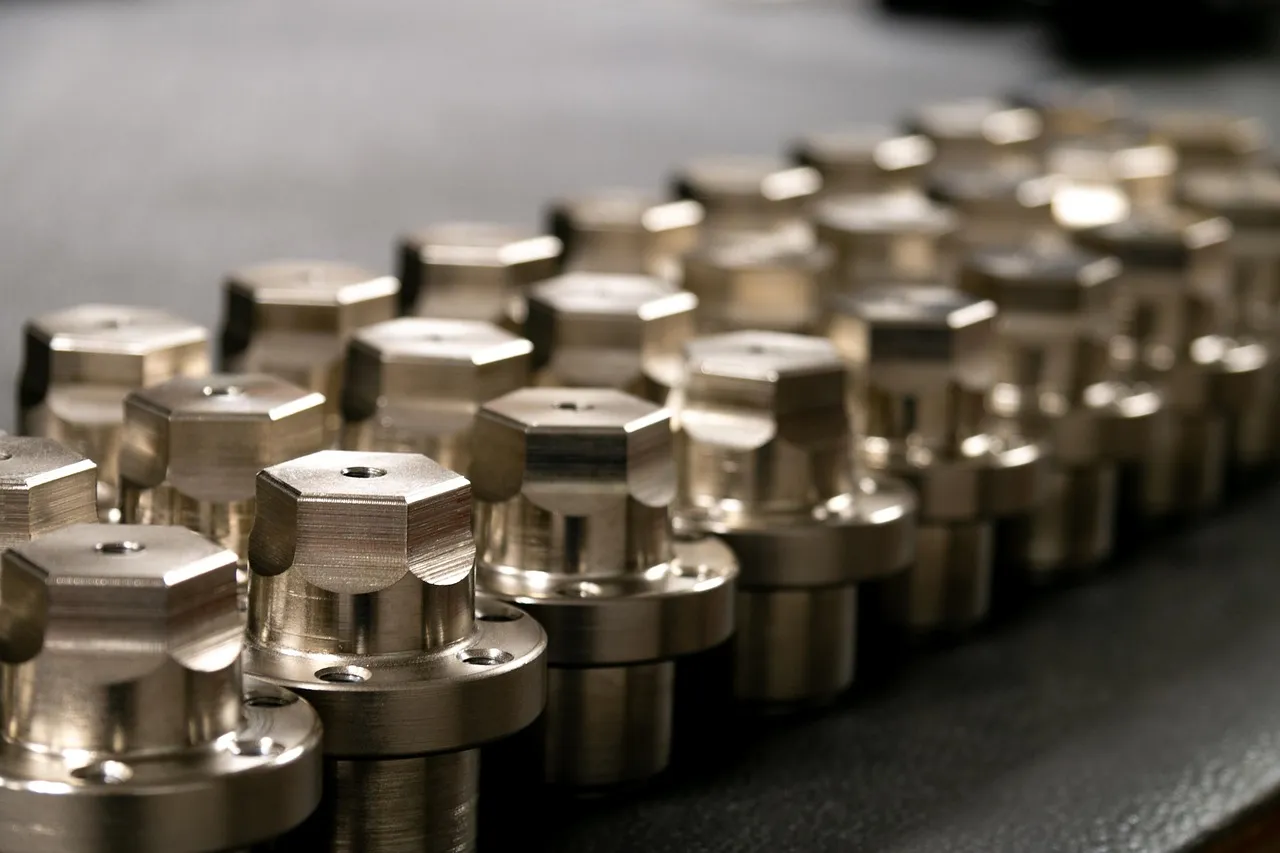

If your sourcing needs go beyond turned components, say you're also working with a sheet metal components manufacturer partner, or need a metal stamping parts manufacturer for a different assembly, it's worth asking whether the same quality discipline applies across all of it. A stamped metal parts manufacturer and a CNC turning specialist use very different processes, but the underlying quality principles should be identical: verified materials, in-process checks, documented final inspection, and a real corrective action process when something goes wrong.
Working with a single Sheet metal OEM manufacturing company or broader OEM partner that applies consistent quality standards across different manufacturing processes can simplify your supply chain considerably, rather than managing separate quality expectations with five different vendors.
Communication Is Quietly Part of Quality Control Too
It's easy to think of quality control as a purely technical process, but how a supplier communicates plays a real role too. Do they proactively flag an issue the moment it's identified, or do you only find out when the shipment already looks wrong? Do they share inspection data as standard practice, or only when you specifically ask for it?
The suppliers with the strongest track records tend to treat quality as something shared with the customer, not something defended or hidden. Regular reporting and honest conversations about problems before they escalate are just as much a part of real quality control as the physical inspection process itself.
The Bottom Line
Controlling quality in CNC turned components isn't a single inspection step; it's a chain of decisions that starts with the raw material and ends with documented, verifiable proof of what actually shipped. If you've been burned by inconsistent parts before, switching suppliers repeatedly usually isn't the fix. Finding a partner whose quality process is built in from the start, and who's transparent enough that you never have to just take their word for it, is what actually solves the problem, for turned components and for everything else in your supply chain.






















Sign in to leave a comment.