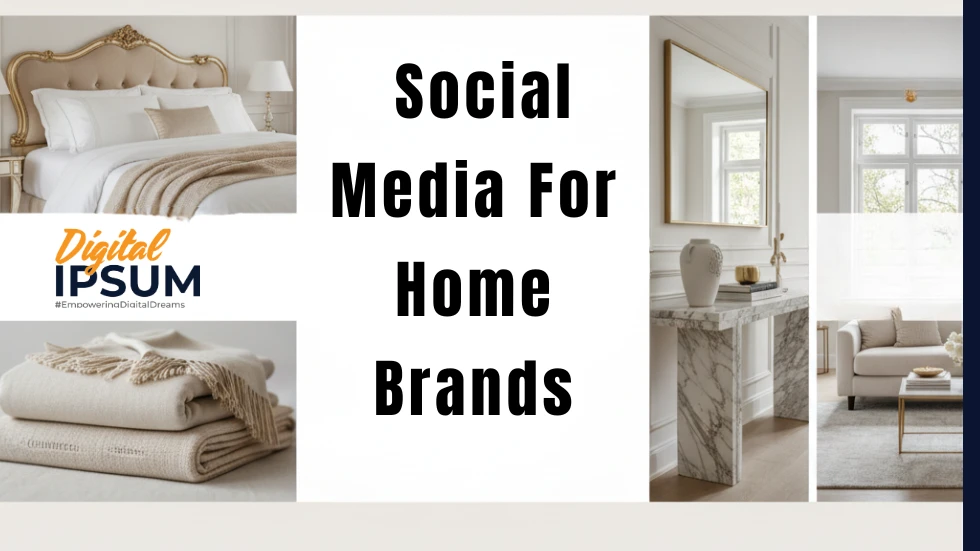

High-ticket home décor isn’t just about luxury materials or elevated price tags. It’s about feeling — the right ambiance, the aspirational lifestyle. And online? That feeling begins with your visual identity. If someone lands on your site or scrolls your feed and isn’t moved, they won’t invest. With smart design, rich messaging, and consistency, you can craft a visual identity that doesn’t just attract — it sells.
Why visual identity matters for high-ticket items
When a buyer spends big on décor, their decision isn’t impulse—it’s considered. According to branding experts, consistency in visual presentation can increase revenue by up to 23%. And buyers of premium goods judge quality partly by what they see, before they experience it. A mismatch of brand visuals, clashing fonts, or low-quality images sends the wrong signal.
For home décor brands, visuals are your currency. From hero shots of a living room set in natural light to close-ups of material texture, each image builds trust and desire. Aligning these with broader social media trends for home brands gives you a competitive edge — because your aesthetic must not only live on your website but shine on Instagram, Pinterest, TikTok and beyond.
Step-by-step: Create a visual identity that converts
- Define your brand personality and mood
- Start with questions: What emotion should your work evoke? Calm minimalism? Bold luxury? Craft a “mood-board” with your favorite visuals, textures, colors, and typefaces. For high-ticket décor, you’re aiming for sophistication, exclusivity and expertise — not just trendy. A curated palette (e.g., muted golds, deep greys, rich woods) helps signal quality.
- Use authentic imagery over stock clichés
- Stock photos might look good, but they often lack uniqueness. Instead, shoot your real pieces in “lived-in” environments. Show designers styling them, show the texture of the material, show light playing across the furniture. These authentic visuals create belief: the buyer sees themselves owning the piece. Authenticity feeds the trust that leads to purchase.
- Ensure consistency everywhere
- A buyer might see your social feed, then go to your website, then receive an email from you. If you use different fonts, colors or messaging each time, it dilutes your brand. Consistent visuals across your website, social media posts, ads and even packaging reinforce your identity and build brand memory. This consistency is one of the vital elements in modern social media trends for home brands.
- Tell a story through visuals
- High-ticket décor isn’t just a product—it’s part of a lifestyle. Use visuals that show not just the item, but the space, the setting, the mood. For example, a handcrafted sideboard in a sun-lit loft, styled with art and greenery, with a designer in frame. The viewer doesn’t just see the sideboard—they see the lifestyle it brings. Storytelling images invite the viewer to imagine owning, not just purchasing.
- Optimize for the channel
- What works on Instagram may differ from Pinterest or TikTok. On Instagram, use grid posts and short reels. On Pinterest, vertical images styled like editorial spreads. On TikTok, short behind-the‐scenes footage. Recognising these channel demands and tailoring your visual identity for each helps you convert interest into leads and sales.
Measure, refine, repeat
Visual identity isn’t “set it and forget it.” Track metrics: which posts perform best? Which visuals get saved, shared, or commented on? In one home décor brand audit, we found posts with real-home settings got 45% more engagement than purely product-only shots. That insight led the brand to shift strategy and improve both ROI and lead generation. Use this data to refine your visuals, iterate your mood boards, and optimise your messaging.
Final thoughts
If your home décor brand wants to sell high-ticket pieces online, your visuals must do the heavy lifting. They must inspire aspiration, convey quality, and guide the viewer toward ownership. When your visual identity aligns with your brand’s values, your website’s UX, your social channels, and your messaging, you create a seamless experience that turns browsers into buyers. Invest in that identity, live it consistently, and you’ll see not just traffic—but meaningful sales.





























Sign in to leave a comment.