

The minimum viable product now is the essence of successful innovation in the hectic world of a startup and even in product development. It focuses on the aspect of learning and iteration whereby companies can learn their ideas and validate them, and therefore, products are constructed to resonate directly with the clients.
CB Insights says 42% of startups fail due to resource deficiencies in the market. And simply creating a minimal version of your product will not do it. If your product solves actual problems for your target audience, it's an effective MVP.
A Minimum Viable Product (MVP) is more than just a basic version of your product—it's a powerful way to test your idea in the real market. Instead of spending months building a fully-featured product, an MVP helps you launch quickly with just the essential features that solve a key problem.
This approach allows startups to gather user feedback, make improvements, and avoid wasting time on features that customers don’t need.
By focusing on learning and iteration, businesses can refine their product, attract early adopters, and even secure investor interest. A well-executed MVP sets the stage for long-term success.
This is an all-around guide on creating an MVP product development to validate your idea and lay a strong foundation for a successful product.
What is MVP? And Why is it So Important?
MVP is an early version of your product, which meets the requirements to capture early adapters and validate a product idea in the earliest stages of the development cycle. Such an approach is not about delivering a sub-functional, almost useless product. Instead, it is about focusing on core functionalities that address specific problems for your target audience.
The importance of MVP is that it can:
- Validation of assumptions: Instead of creating a full-blown product in months or even years based on assumptions, the MVP allows the validation of hypotheses against real users for valuable feedback.
- Reducing the cost of development: By focusing only on core functionalities, you can minimize development costs and avoid high investments in features your targeted audience wants.
- Accelerate your time to market: An MVP helps you launch the product quickly. This gives you a competitive edge and the chance to capture the early adopter crowd.
- Capture user feedback: The primary goal of an MVP is to gather feedback from real users. In many cases, this feedback proves invaluable in steering the future direction of your product.
- Attract investors: Because it proves the viability of a product idea and targets a suitable market, most people would easily be attracted to a successful MVP. Partnering with an OpenAI Development Company ensures cutting-edge AI integration, making your product even more competitive and scalable.
Common Mistakes to Avoid
- Building too much: The "minimum" in MVP is essential. Do not try to create too many features. Focus on the core functionality.
- Ignore user feedback: The primary purpose of an MVP is to collect feedback. Don't ignore what your users are telling you.
- Aesthetics over functionality: An MVP should focus more on functionality than aesthetics, considering user experience is secondary.
- No clear plan: An MVP is successful when developed with a clear plan. Identify your target audience, your problem, and which features to prioritize.
Step-by-Step Guide to Creating Effective MVP that Solves Problems
Creating an MVP that solves real problems requires a structured approach. Here are key steps to follow;
Identify the main problem.
Before you begin developing, you should clearly grasp the audience you want to attract. Who are they? What are their needs? What pain points do they want to solve? Research the marketplace by conducting market research surveys and interviews—they all feed that information before you know if building an MVP is feasible.
Define Core features
An MVP should have only the core features:
- Prioritize Core Features: Identify key functionality (e.g., ride-booking, payment).
- Design a Simple User Flow: Smooth UX Ensues.
- Avoid overengineering: Focus on functionality over perfection.
Design a User-Friendly and Intuitive Experience
Even with few features, your MVP should feel smooth to the user:
- Develop intuitive user flows that solve problems efficiently
- Design intuitive interfaces that do not demand extensive learning
- Provide feedback mechanisms to understand user behavior.
- It should ensure the product is reliable and works well within its scope.
Build functional and testable products.
A functional and testable product is your MVP. It should work as intended and let the people enjoy the core value proposition of your product. Do not shortcut quality. A buggy or unreliable MVP can damage the reputation, making it harder for early adopters to be attracted.
Testing on a Small Set of Users
Before releasing the MVP to the public, testing it on a small set of target users is important. This will help receive feedback and understand areas that have been overlooked during development. It involves the following steps:
- Test the MVP on a selected few users and solicit their input.
- Interview testers to collect extensive information about their experience and their problems.
- Use analytics tools to track how the user engages with the product, including any friction or bottlenecks.
Iterate and Improve Based on Feedback
The feedback that you gain from your users is gold. Use it to improve and iterate over your MVP. Add more new features, bug fixes, and improve user experience based on learning from the user. It's an iterative process in MVP development, so be ready to keep improving your product through feedback.
Launch and Learn
Your MVP launch is just the first step:
- Start with a small group of targeted users.
- Actively seek and analyze user feedback.
- Monitor usage patterns and find pain points.
- Document lessons learned for future iterations.
Real Examples of Highly Successful MVPs
- Dropbox: It was initiated as a single video showing off the functionality of the file-sharing service.
- Airbnb: Started as a basic website through which people could share their available spare rooms.
- Uber: Uber began as a simple app that connected riders with drivers in San Francisco.
Conclusion
The first step to successfully launching your product from the real problems in your target market is to make an MVP. Their core problem is defining the essential features, and on and on, the process of iterating on user feedback will make it easy to create a product that meets the customer's demand.
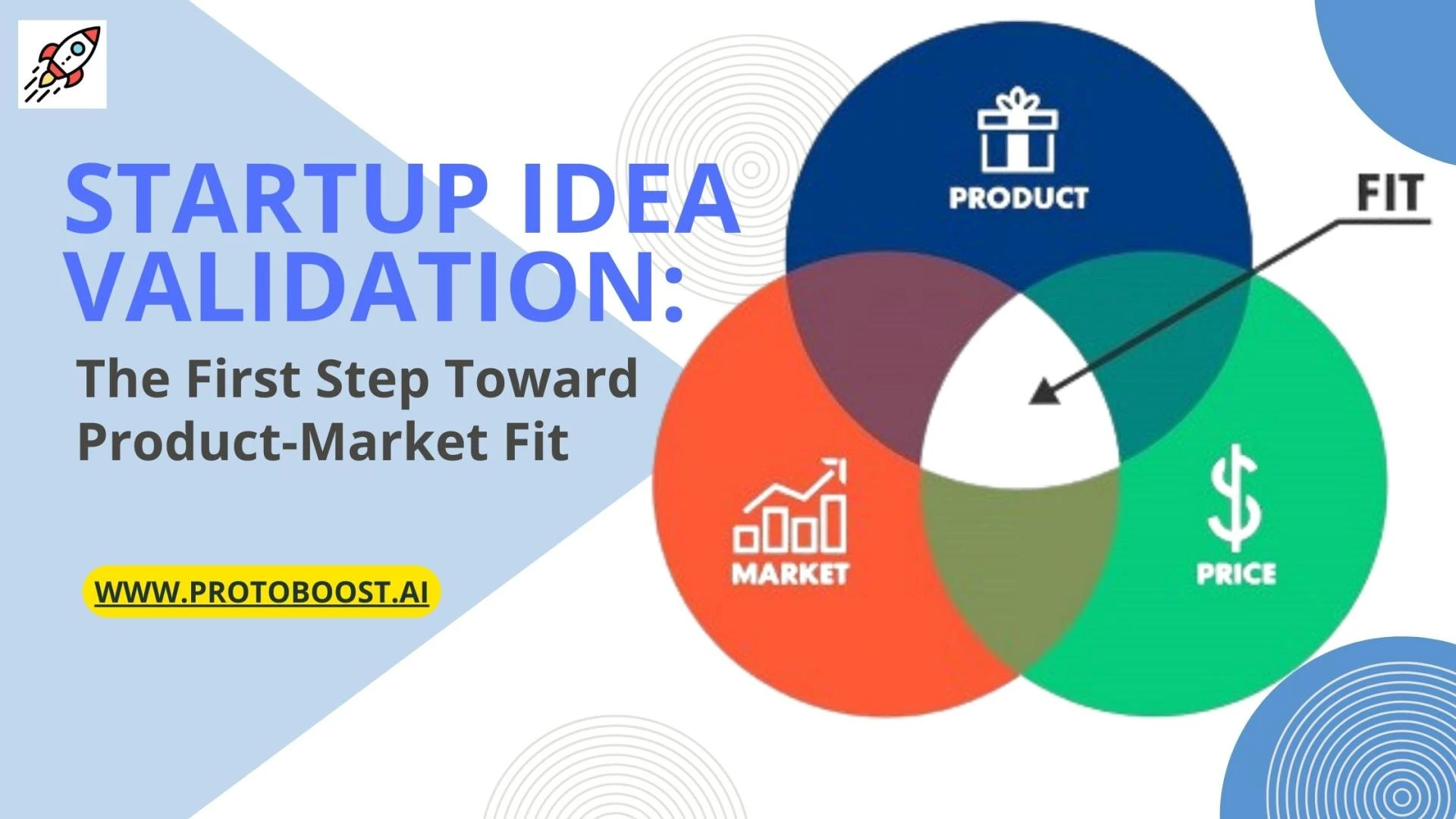
With the best MVP development services and product development strategies, your business can validate the ideas quickly, reduce risks, and have a chance of better product-market fit in the long run.
If you are ready to begin building your MVP, do not hesitate to partner with a skilled MVP development team that can bring your vision to life.






Sign in to leave a comment.