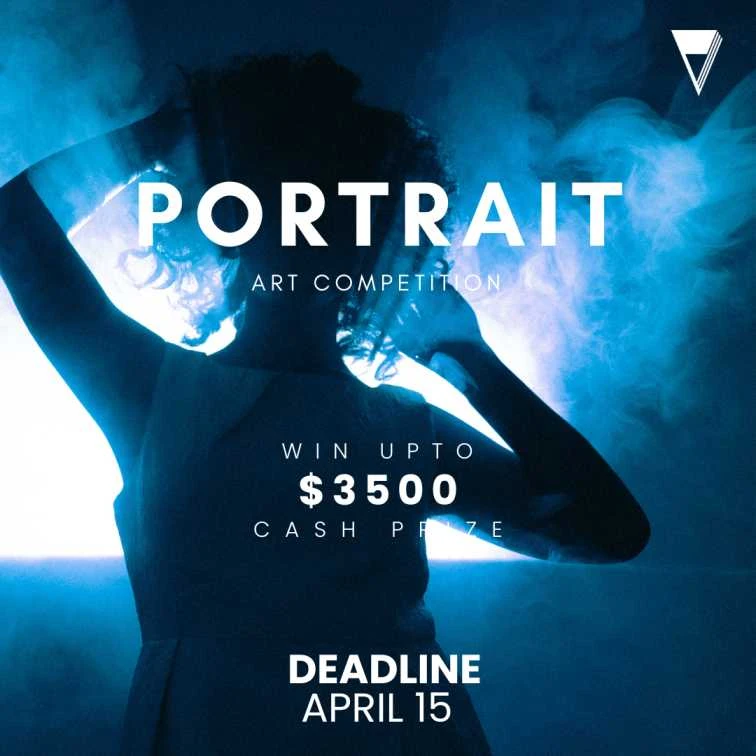

Portrait artworks are the window to take a sneak peek into the soul of the subject. Be it through the eyes, the lips, or simply just the expressions of the people in the painting, a well-depicted portrait piece can speak so much without uttering a single word. Many portrait artists aim to master the beauty of depictions, the storytelling with eyes, and the precision to capture the expressions of their subjects. However, this search for precision can often be quite overwhelming for new artists.
If you are also someone who has just embarked on their journey of portraiture, this blog is for you. Here are some tips that can help you improve your art.
Tips To Improve Your Portrait Artworks
Portrait artworks are a beautiful way to leave your mark behind in history. Many important figures in history, like rulers and businessmen, often commissioned artists to create their portraits. The reason behind such requests was to become timeless even after their deaths. You can also become a master at making portrait artwork by starting with these simple tips:
- Study Your Reference Image
For new artists, it is always a good start to work with a reference image. It helps you stay on the right track, and help identify your mistakes. Every time you feel unsure about your next step, the reference image can guide you. It also gives you a foundation that you can study and learn from, before building your work around it. Try looking for a detailed reference image that has been taken in good lighting. This will also give you an idea of the areas that you need to highlight and darken, to create depth in your work.
- Always start with an outline
One of the biggest mistakes many portrait artists often make is that they don’t give enough importance to the outlines. A portrait that has been started without outlines is likely to go down south, irrespective of how good you are at it. Outlines are the guiding principles that help you make sure that your proportions are correct. This also prevents you from ending up with extra-large eyes and no room for lips or any similar mistakes. Facing issues like these are very common for artists that often work with a lack of outline.
- Always practice the eyes
Eyes are a major defining factor that can set a noob artist apart from an expert. When it comes to portrait artworks, the depiction of eyes plays a very crucial role in the final outcome. To begin with, you can start by studying the details of the eyes and just observe their color, the reflection in light and shadows, and their shape. Remember every subject shall have different eyes.
The trick to attaining perfection here lies in the fact as to how you capture those subtle differences in your work. Another important point to remember is that the white of the eyes is never pure white. By paying close attention, you can see the different optic nerves, the reflection in the pupil, and a lot more.
- The texture of hair
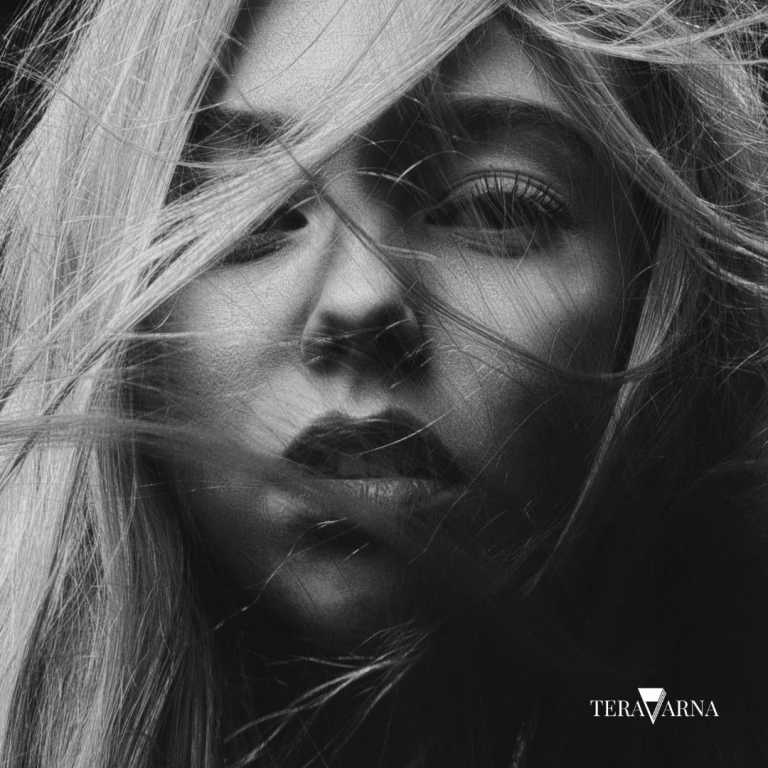
Ask any beginner portrait artists and they will tell you how they have been struggling with depicting the hair. After eyes, hair is another complicated element where most artists often get stuck because it is quite easy to mess up the hair.
To paint hair more flawlessly, avoid working on individual strands. Start with darker tones to depict it as a mass and then build on it with lighter tones to create the illusion of individual strands. This gives the hair a more realistic look and also prevents you from messing up. To add the finishing touches, pick a finer brush to add the smaller details like wayward hair strands or unruly locks that frame the face.
- Always start with darker tones
It is no rocket science that if you start with lighter tones and then add darker tones to it, it will cover the previous layers. Hence, experts always recommend that you build your work from dark to light. Start with darker tones and then gradually move to the mid-tones before adding the lighter ones. This will help you portray the smaller details in a more precise manner without messing up your portrait artwork. Knowing the intricacies of tones also improves your play of light and shadow, the depth in your work, and also brings more balance to your work.
Key Takeaways
Once you start taking these tips into practice, you will notice a drastic change in your portrait artwork. These suggestions can guide you into creating more realistic and appealing works, and also improve the minute details.






Sign in to leave a comment.