
Artificial Intelligence (AI) has revolutionized various industries by automating tasks, improving efficiencies, and enhancing decision-making processes. One such AI-based solution that has been increasingly adopted is AI agents. AI agents are software programs designed to autonomously carry out tasks that would otherwise require human intervention. The deployment of AI agents is a process that requires careful planning, the right technologies, and expertise to ensure seamless integration into business operations. This guide will walk you through the steps to successfully deploy AI agents, and why partnering with an AI agent development company can be pivotal for success.
What Are AI Agents?
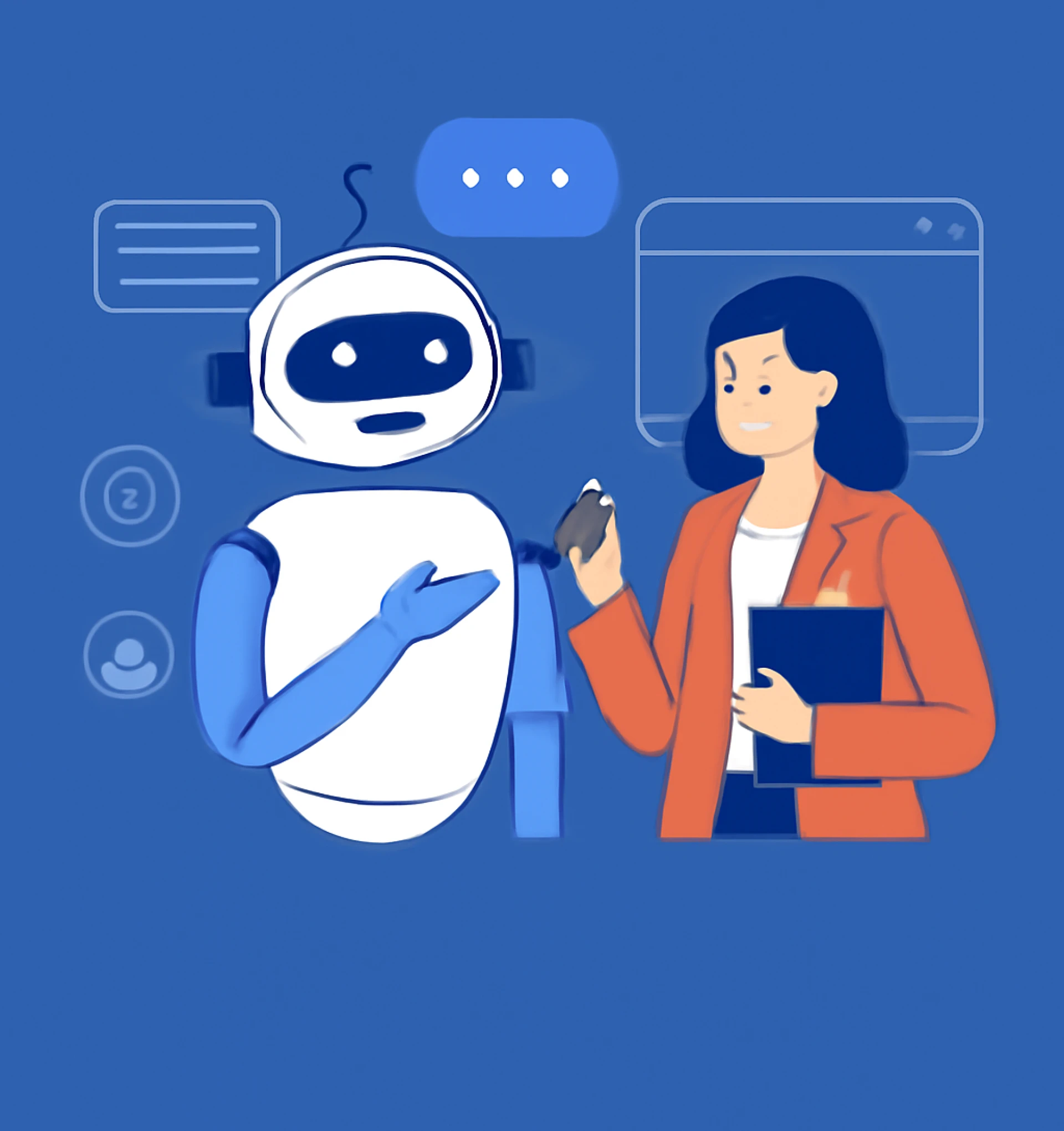
An AI agent is a software system that can autonomously perform tasks by perceiving its environment and making decisions based on those perceptions. Unlike traditional software, AI agents can learn, adapt, and execute tasks with minimal human intervention. AI agents are often designed to interact with users, process data, and provide real-time feedback, such as chatbots in customer service, virtual assistants in business processes, or recommendation systems in e-commerce.
Key Considerations for Deploying AI Agents
Deploying AI agents involves several critical steps to ensure they are integrated effectively and can deliver on their intended value. Below are the key factors to consider:
1. Define the Purpose of the AI Agent
Before deploying an AI agent, it is essential to define its role and responsibilities. Will it handle customer service inquiries, manage data analysis, or assist in decision-making? This purpose will dictate the design, capabilities, and scope of the AI agent. Whether you need to build AI agents for automating customer support or managing internal processes, clear objectives will help you build the right agent.
2. Choose the Right AI Model
Selecting the right AI model is crucial to ensure that your agent can perform the desired tasks efficiently. For example, an AI chatbot development company may recommend specific NLP (Natural Language Processing) models if you're developing a chatbot for customer service. Alternatively, machine learning models may be better suited for agents focused on analyzing data and generating insights.
AI models can vary in complexity, and it's essential to choose one that aligns with your business needs. An AI agent development company can assist in selecting the best AI algorithms and training the model for optimal performance.
3. Integration with Existing Systems
For AI agents to be effective, they must integrate seamlessly into existing business systems. This includes integrating with CRMs, databases, communication tools, or e-commerce platforms. The integration process will require a deep understanding of your current infrastructure and ensuring that the AI agents can access and process relevant data.
The expertise of an AI agent development company comes into play here, as they can help integrate the AI agent into your existing tech stack. Whether it's through APIs or custom integration methods, their knowledge ensures that the deployment is smooth and the agent functions properly.
4. Set Up Monitoring and Analytics
Even though AI agents are designed to work autonomously, it is crucial to monitor their performance regularly. Real-time monitoring helps to ensure that the agents are functioning as expected and making accurate decisions. Establishing a feedback loop allows for continuous learning and improvements.
Deploying analytics tools can help track metrics like response time, user satisfaction, and agent effectiveness. Using these insights, you can make data-driven adjustments to improve your agents' performance.
5. Security and Privacy Considerations
Security is paramount when deploying AI agents, especially if they interact with sensitive data. For instance, AI agents handling personal customer data must comply with regulations such as GDPR. You must implement robust security protocols to protect data privacy and ensure compliance.
An AI agent development company can ensure that your agents are designed with secure data handling practices, encryption methods, and the necessary access controls to safeguard customer information.
6. Continuous Training and Improvement
AI agents improve with time, as they continue learning from new data and experiences. After deployment, the agent must be continually trained to handle evolving tasks, new customer behaviors, and changing market conditions. Incorporating machine learning techniques allows the agent to evolve based on these ongoing inputs.
Work closely with your AI chatbot development team to monitor agent performance, update its models, and ensure it is keeping up with industry trends. This continuous improvement is key to maintaining the relevance and efficiency of your AI agent.
Conclusion
Deploying AI agents successfully requires clear objectives, selecting the right models, integrating them with existing systems, and monitoring their performance. Partnering with an AI agent development company ensures that the AI agents you deploy are tailored to meet your business's needs and optimized for success. With the right expertise and strategies in place, AI agents can drive substantial improvements in productivity, customer satisfaction, and operational efficiency.






















Sign in to leave a comment.