A truly great landscape is one that offers beauty, function, and interest throughout the entire year—not just during the summer bloom. Designing a four-season landscape requires thoughtful planning, diverse plant selection, and integrating both hardscaping and softscaping elements. Whether you’re starting from scratch or enhancing an existing yard, here’s how you can create a landscape that shines in spring, summer, fall, and winter.
1. Start with Structure: Hardscaping for Year-Round Appeal
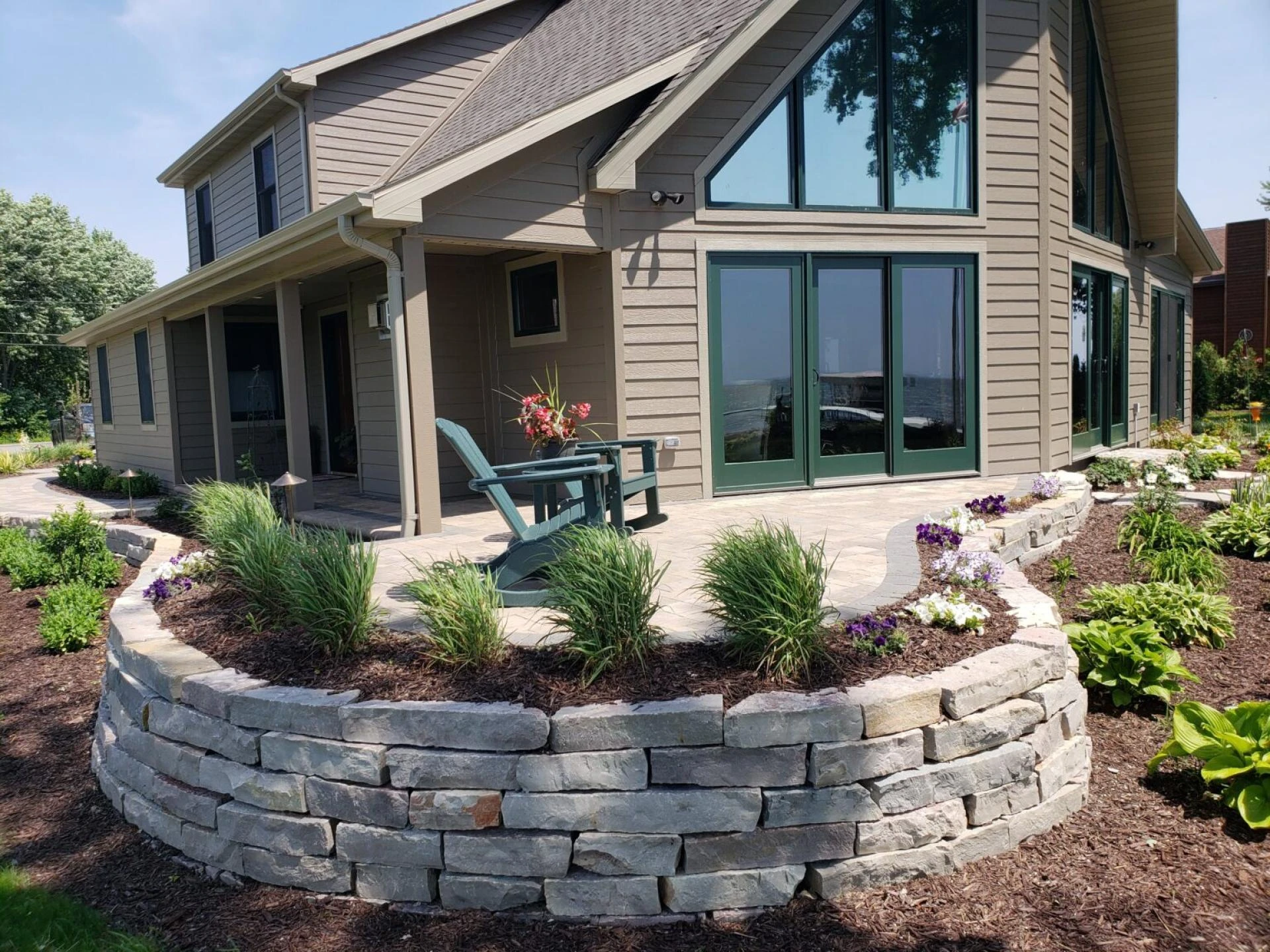
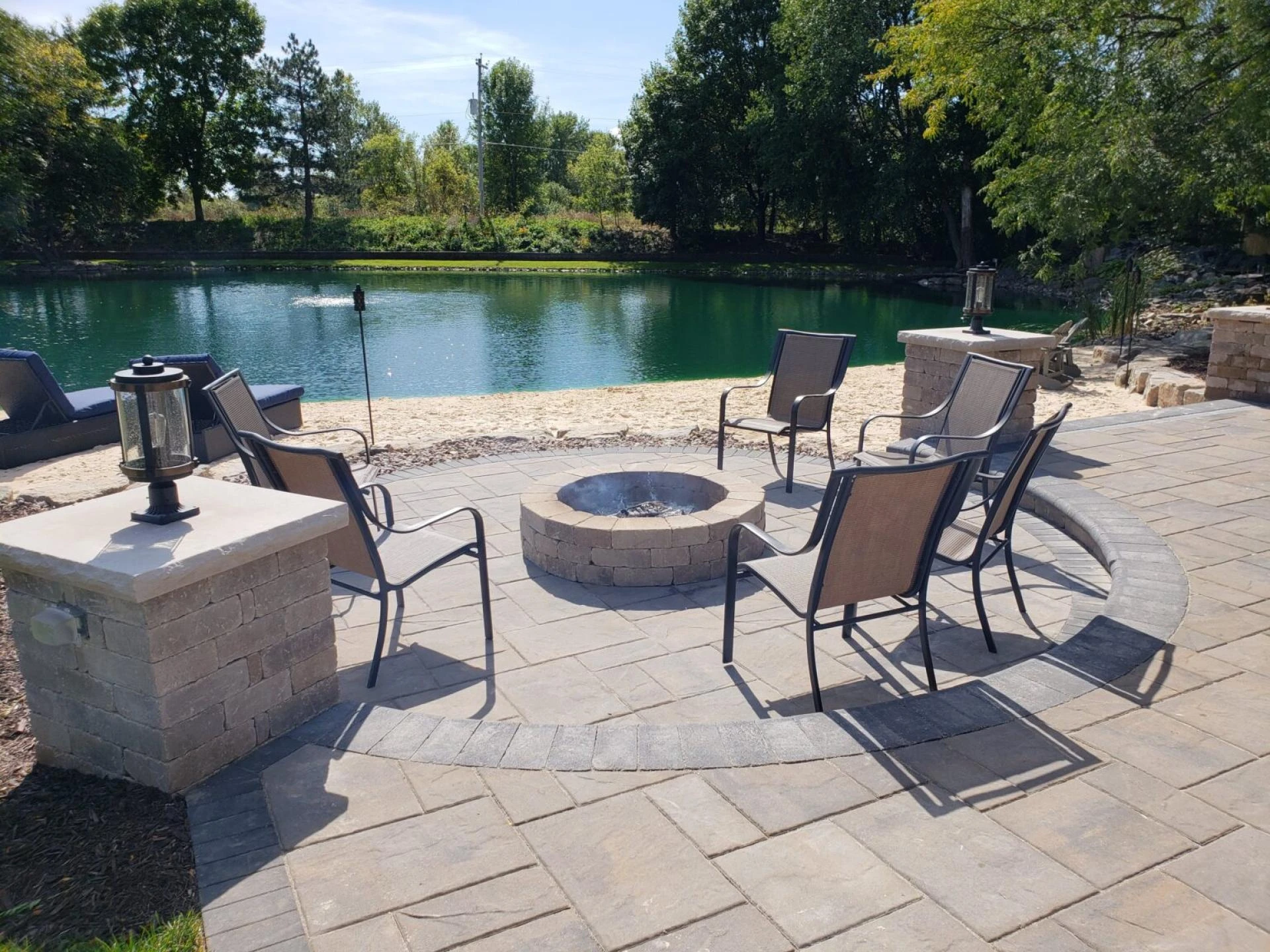
Before diving into plants and colors, think about the structure of your landscape. Hardscaping features such as patios, retaining walls, walkways, pergolas, and seating areas provide lasting form and function throughout the year.
- In winter, when trees are bare and plants are dormant, a well-designed patio or stone path still looks neat and inviting.
- Choose materials like natural stone or pavers that are weather-resistant and require minimal upkeep.
- Raised beds, retaining walls, and garden borders add architectural interest even when not adorned with foliage.
Adding outdoor lighting to these features also enhances visibility and charm in the darker months. For alluring hardscaping in your yard, you should hire professionals who offer the best hardscaping services in your region.
2. Layered Planting for Continuous Visual Interest
The key to four-season landscaping lies in layering plant selections so that something is always in bloom or visually engaging.
Spring:
- Focus on early bloomers like crocuses, daffodils, tulips, and flowering trees (e.g., cherry or dogwood).
- Evergreen shrubs that survived winter provide a fresh backdrop to new growth.
Summer:
- Opt for long-blooming perennials such as coneflowers, black-eyed Susans, daylilies, and lavender.
- Incorporate ornamental grasses that sway gracefully in warm breezes.
Fall:
- Select trees and shrubs with striking autumn foliage like maples, viburnums, and burning bush.
- Fall-blooming plants such as asters, chrysanthemums, and sedum extend the color palette into cooler months.
Winter:
- Evergreens (boxwood, holly, spruce) maintain shape and color.
- Red-twig dogwood and ornamental berries add visual texture.
- Don’t overlook the beauty of bare tree structure, bark textures, or snow resting on dried ornamental grass plumes.
3. Design with Color, Texture, and Contrast in Mind
Color is the most noticeable feature in a landscape, but texture and contrast play an equally important role.
- Mix fine- and broad-leaf plants for texture variation.
- Combine evergreen with deciduous plants to keep the view dynamic.
- Use mulch, gravel, or decorative stone in garden beds to maintain visual interest and tie design elements together year-round.
Pro Tip: Incorporate dark mulch or stone to provide contrast in winter when snow is present and colors are muted.
4. Plan for Wildlife and Pollinators
A four-season landscape can also be a haven for birds, bees, and butterflies. Including plants that feed or shelter wildlife adds movement and life to your yard in all seasons.
- Install bird feeders and birdbaths (with a heater for winter).
- Include native flowering plants that support pollinators in spring and summer.
- Choose berry-producing shrubs like winterberry or holly that attract birds in colder months.
5. Incorporate Functional Softscaping Elements
Softscaping includes all the living elements in your landscape: trees, flowers, turf, and ground covers. Designing these with seasonal performance in mind boosts your landscape’s year-round appeal.
- Plant ground covers like creeping thyme or vinca that maintain color and coverage in most seasons.
- Use turf strategically—opt for drought-tolerant grass species or mix in clover for better performance in transitional weather.
6. Add Seasonal Containers and Mobile Features
Containers and portable garden elements offer an easy way to refresh your landscape with each season.
- Spring: Pansies, tulips, and hyacinths
- Summer: Petunias, coleus, and geraniums
- Fall: Pumpkins, ornamental kale, and mums
- Winter: Pine boughs, birch branches, and festive décor
Rotate these displays near your entryway, patio, or along pathways to keep the design updated without overhauling your entire yard.
7. Plan for Practical Maintenance
A four-season landscape should be beautiful and manageable. Design with care and consider:
- Irrigation systems for drought-prone summer periods
- Mulching to retain moisture and insulate roots
- Drainage solutions like swales or French drains to avoid winter ice buildup or spring flooding
- Perennials over annuals for long-term structure with less work each season
Final Thoughts: The Year-Round Landscape
Designing a landscape for all four seasons means thinking beyond just spring flowers and summer lawns. With careful planning—balancing hardscaping, softscaping, color, texture, and wildlife-friendly features—you can enjoy your outdoor space no matter the month. From snowy pathways and winter evergreens to vibrant fall foliage and blooming spring bulbs, your yard can become a living canvas that evolves beautifully with the seasons.
Need help bringing your year-round landscape vision to life? Partner with professionals who specialize in residential landscaping services, hardscaping, softscaping, and seasonal landscape design to ensure your outdoor space looks great every day of the year.



























Sign in to leave a comment.