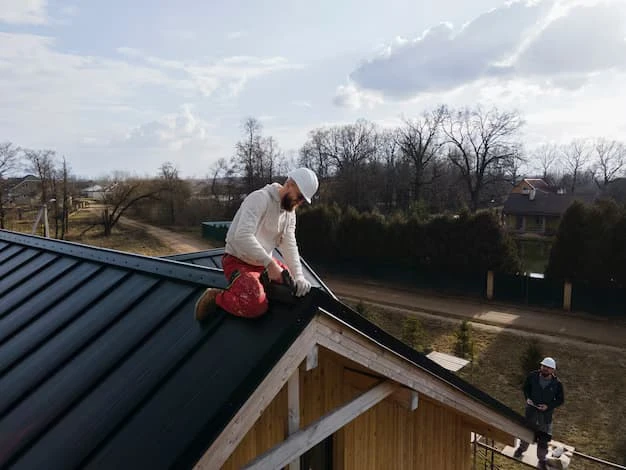

Detecting roof problems early is one of the most effective ways for property owners in Wolverhampton to protect their homes and avoid expensive repairs. The local climate, with frequent rain, strong winds, and seasonal temperature changes, can gradually weaken roofing materials. Understanding the early warning signs allows homeowners to act before minor defects turn into serious structural issues. This guide explains how roof damage develops, what signs to look for, and why early action matters, especially when considering roof repairs wolverhampton.
Why Early Roof Damage Detection Matters
Roof damage rarely appears overnight. In most cases, problems start small and worsen slowly. A cracked tile, a loose flashing, or a blocked gutter may seem harmless at first. Over time, these issues allow moisture to enter the roof structure, leading to rot, mould, and insulation damage.
Early detection helps homeowners reduce repair costs and extend the life of their roof. Addressing problems promptly also protects the interior of the property, including ceilings, walls, and electrical systems. In a city like Wolverhampton, where weather conditions can change quickly, proactive roof checks are especially important.
Understanding Common Causes of Roof Damage in Wolverhampton
Weather Related Wear and Tear
Rainfall is one of the most common causes of roof damage in the area. Persistent moisture can weaken tiles, erode mortar, and cause timber components to decay. Strong winds can lift or dislodge tiles, exposing the underlay beneath.
Cold weather also plays a role. When water seeps into small cracks and freezes, it expands. This process gradually enlarges the cracks, leading to broken tiles or damaged flashing.
Ageing Roofing Materials
Every roofing material has a limited lifespan. Older roofs are more prone to damage because materials become brittle and lose their protective qualities over time. Clay tiles, slate, and felt roofing all degrade at different rates, but age increases the likelihood of failure.
Poor Maintenance
Blocked gutters, moss growth, and debris buildup place additional strain on the roof. When gutters overflow, water can back up onto the roof edge and seep into the structure. Moss retains moisture and can lift tiles, creating entry points for water.
External Signs of Roof Damage to Watch For
Missing or Damaged Tiles
One of the most visible signs of roof damage is missing or cracked tiles. Homeowners should look for tiles that appear uneven, broken, or out of place. Even a single missing tile can allow water to penetrate the roof.
A visual inspection from the ground using binoculars can help spot obvious issues without climbing onto the roof.
Sagging Roof Areas
A roof should have a consistent and even shape. Any sagging or dipping areas may indicate structural problems beneath the surface. This could be caused by water damage to the timber supports or excessive weight from trapped moisture.
Sagging sections should never be ignored, as they may signal serious underlying issues.
Damaged Flashing and Roof Edges
Flashing is used around chimneys, vents, and roof joints to prevent water ingress. If flashing becomes loose, cracked, or corroded, it can allow leaks to develop. Similarly, damaged roof edges and fascia boards can be early indicators of moisture problems.
Internal Warning Signs of Roof Damage
Water Stains on Ceilings and Walls
Discoloured patches on ceilings or upper walls often point to a roof leak. These stains may appear brown or yellow and can grow over time if the source of the leak is not addressed.
In some cases, water may travel along beams before dripping, so the visible stain may not be directly below the damaged area.
Damp Odours and Mould Growth
A persistent musty smell inside the home can indicate trapped moisture in the roof space. Mould growth in loft areas or on upper walls is another warning sign. Mould not only damages property but can also affect indoor air quality.
Increased Energy Bills
A damaged roof can compromise insulation, allowing heat to escape during colder months. If energy bills suddenly increase without a clear reason, the roof may be allowing heat loss through gaps or moisture damaged insulation.
Inspecting the Roof Safely
Ground Level Checks
Regular visual checks from ground level are a safe way to monitor roof condition. Homeowners should look for uneven tile lines, debris accumulation, and any visible damage after storms.
Using binoculars can provide a closer view without the risks associated with climbing ladders.
Loft Space Inspections
The loft or attic offers valuable clues about roof health. During daylight hours, any visible light coming through the roof boards indicates gaps or holes. Signs of damp insulation, dark patches on timber, or condensation are also red flags.
It is important to avoid touching damaged materials, as they may be weakened or unsafe.
When to Avoid DIY Inspections
Walking on the roof can be dangerous, especially for older properties or during wet conditions. Without proper equipment and experience, there is a risk of injury or causing further damage. Professional inspections are often the safest and most effective option.
Seasonal Roof Checks in Wolverhampton
After Heavy Rain or Storms
Severe weather can cause sudden roof damage. After storms, homeowners should check for displaced tiles, debris in gutters, and new interior leaks. Early post storm inspections help catch issues before the next bout of bad weather.
Before Winter Arrives
Preparing the roof for winter reduces the risk of cold weather damage. Clearing gutters, checking flashing, and addressing minor defects can prevent water buildup and freezing issues during colder months.
Spring Maintenance Reviews
Spring is an ideal time to assess any damage caused over winter. Identifying and repairing issues early in the year helps ensure the roof remains sound through wetter seasons.
Long Term Benefits of Early Roof Damage Detection
Early detection extends the lifespan of roofing materials and reduces the need for major repairs. Small fixes are generally quicker, less disruptive, and more affordable than large scale restoration projects.
A well maintained roof also preserves property value. Potential buyers are more likely to invest in homes with a solid and leak free roof, making regular inspections a worthwhile investment for homeowners planning to sell in the future.
Choosing the Right Time to Seek Professional Help
While basic observations can be made by homeowners, some signs require expert assessment. Persistent leaks, structural sagging, and widespread tile damage should be evaluated by a qualified roofing professional.
Professionals have the tools and experience to identify hidden problems and recommend appropriate solutions. Acting promptly ensures that damage does not spread to other parts of the property.
Conclusion
Detecting roof damage early in Wolverhampton is essential for protecting homes from costly repairs and long term structural issues. By understanding common causes, recognising early warning signs, and carrying out regular checks, homeowners can take proactive steps to maintain roof integrity. When professional expertise is required, timely intervention makes all the difference. For expert assistance and dependable service, homeowners can turn to Cliff Nicholls Roofing Contractor Wolverhampton for reliable roofing solutions.























Sign in to leave a comment.