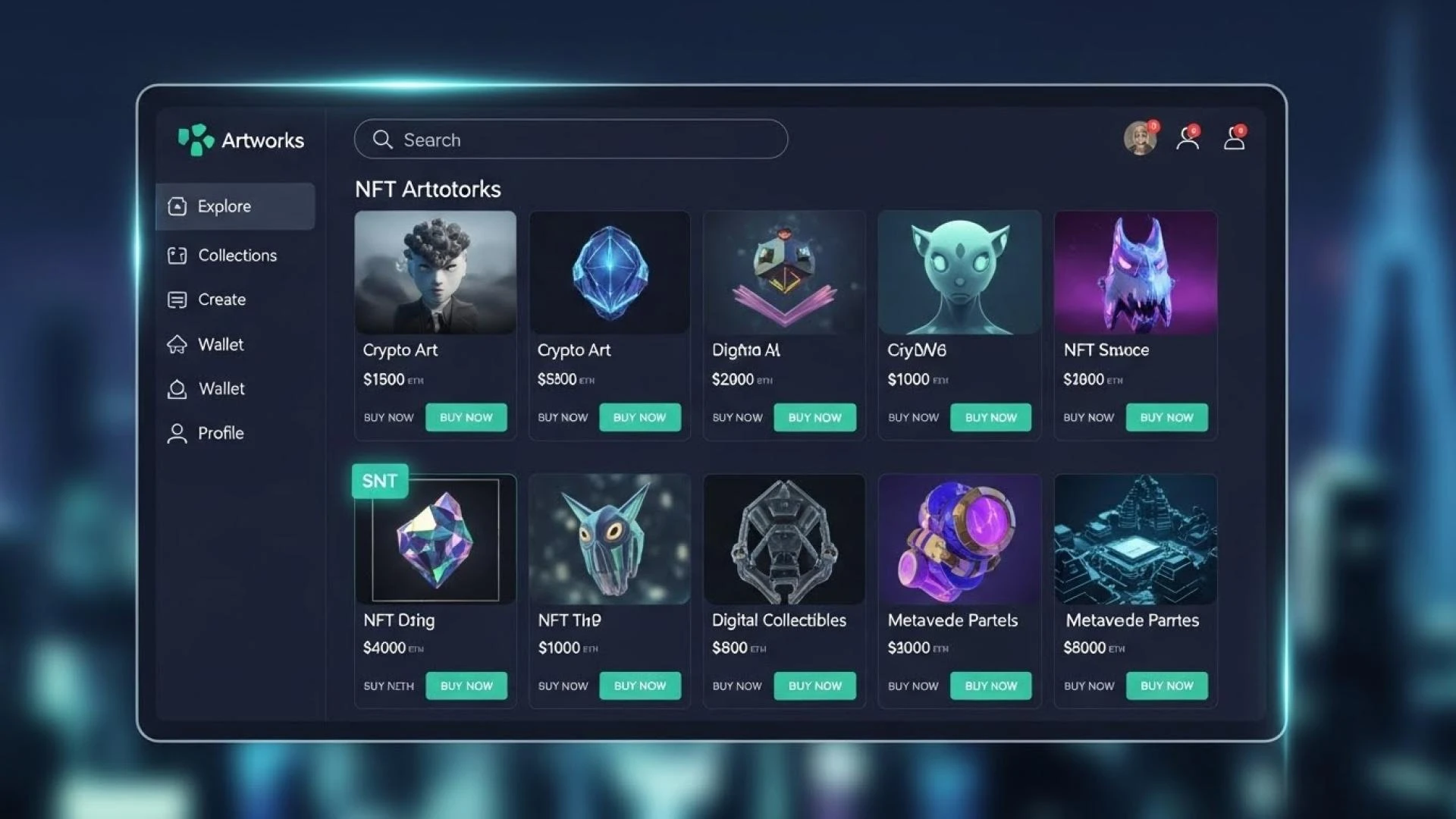

The real estate industry is undergoing a profound transformation, and blockchain technology is at the heart of this change. Non-fungible tokens (NFTs) are introducing innovative ways to buy, sell, and manage property ownership through digital platforms. A real estate NFT marketplace enables investors, property owners, and buyers to transact securely while ensuring transparency, traceability, and efficiency. With the right approach, nft real estate marketplace development can unlock new revenue streams, simplify property transactions, and attract a tech-savvy audience seeking modern investment solutions. This guide provides a comprehensive roadmap to developing a robust and functional NFT-based real estate marketplace, covering every essential step from concept to deployment.
Understanding Real Estate NFT Marketplace
Before starting development, it’s essential to understand the concept and structure of a real estate NFT marketplace. These platforms are designed to digitize property ownership, allowing assets to be represented as unique NFTs on a blockchain. Understanding their benefits, market potential, and regulatory requirements ensures developers build a platform that meets both user expectations and legal standards. A clear grasp of the ecosystem also helps in planning the technical features and business model that make NFT-based property trading secure, scalable, and appealing to investors worldwide.
- Definition and Concept: A real estate NFT marketplace is a digital platform where physical or virtual property ownership is represented through NFTs. Each NFT acts as a unique certificate of ownership, providing indisputable proof and transferability.
- Benefits for Investors: Investors can buy fractional property ownership, reduce paperwork, and gain access to a global market. NFTs streamline property trading and minimize intermediaries.
- Market Potential: The integration of blockchain with real estate opens opportunities for liquidity, faster transactions, and wider market participation. Early adopters can capitalize on a rapidly growing industry.
- Legal and Regulatory Considerations: Compliance with real estate and securities laws is critical. Ensuring smart contracts adhere to jurisdictional rules protects both developers and users from legal complications.
Key Features of a Real Estate NFT Marketplace
Designing a marketplace begins with identifying the core features necessary to support NFT-based property transactions. A well-structured platform should simplify property listing, enable NFT minting, and facilitate secure trading for both buyers and sellers. Additionally, wallet integration and seamless payment gateways enhance user experience while ensuring safety and transparency. By understanding these key features in advance, developers can prioritize functionality, plan the architecture, and deliver a platform that is both attractive to users and scalable for future enhancements.
- User Registration and KYC: Robust registration processes including KYC verification ensure secure access and prevent fraudulent activities.
- Property Listing and NFT Minting: Sellers can tokenize properties into NFTs with metadata such as ownership details, location, and property type. This feature is essential for tracking property rights.
- Trading and Auction Mechanisms: Buyers can purchase or bid on NFTs using cryptocurrency, ensuring transparent and efficient transactions.
- Wallet Integration and Payment Gateways: Supporting multiple wallets and payment methods enhances usability and encourages adoption. Users can seamlessly interact with the marketplace using popular blockchain wallets.
Selecting the Right Blockchain Platform
Choosing the appropriate blockchain is a critical step in nft real estate marketplace development. The blockchain determines transaction speed, security, fees, and scalability of the marketplace. Ethereum, Polygon, and Solana are among the top options, each offering unique benefits. A thorough analysis of these platforms helps ensure the marketplace can handle high-volume transactions, deliver a smooth user experience, and remain cost-effective. Selecting the right blockchain also reduces future migration challenges and enables the integration of advanced features like fractional ownership and smart contract-based automation.
- Ethereum: Ethereum offers a mature ecosystem with extensive NFT support, though transaction costs can be high during peak times.
- Polygon: Polygon provides lower transaction fees and faster processing, making it ideal for marketplaces with frequent trades.
- Solana: Known for speed and scalability, Solana supports high-volume transactions with minimal costs, suitable for growing marketplaces.
- Factors to Consider: When choosing a blockchain, assess transaction speed, security, costs, and community support to ensure the platform aligns with business goals.
Designing the Marketplace Architecture
A solid architecture is the backbone of a successful real estate NFT marketplace. It defines how the frontend and backend interact, how smart contracts execute property transactions, and how the system scales as user traffic grows. Proper design ensures security, transparency, and ease of use. Developers must consider user experience, smart contract efficiency, data management, and robust security measures from the outset. A well-structured architecture reduces future maintenance challenges and builds confidence among investors and property owners using the platform.
- Frontend Design: A user-friendly and responsive interface is crucial. Intuitive navigation, clean layouts, and engaging visuals enhance user experience.
- Backend Development: The backend should handle smart contract integration, user management, transaction processing, and data storage efficiently.
- Smart Contract Logic: Implementing secure and transparent smart contracts ensures NFT minting, property transfer, and royalty management operate flawlessly.
- Scalability and Security Measures: Incorporate features like load balancing, secure data encryption, and audit trails to protect sensitive user and transaction information.
NFT Real Estate Marketplace Development Process
Developing a marketplace requires a structured approach that aligns technical development with business objectives. The process includes requirement analysis, prototyping, smart contract development, integration, and testing. Each stage ensures that the platform operates securely, efficiently, and meets user expectations. By following a detailed development roadmap, businesses can reduce errors, optimize performance, and deliver a marketplace that offers reliable property trading solutions. This step-by-step process is essential for successful NFT-based real estate platform implementation.
- Requirement Analysis: Understand target users, business goals, and regulatory requirements to define the scope and roadmap for development.
- UI/UX Prototyping: Create interactive prototypes to visualize the marketplace flow, ensuring a seamless and engaging experience for buyers and sellers.
- Smart Contract Development: Write and deploy smart contracts that manage NFT minting, transfers, and royalties with full transparency and security.
- Integration and Testing: Integrate blockchain networks, wallets, and payment systems, followed by extensive testing to detect and fix vulnerabilities.
- Launch and Maintenance: After deployment, continuous monitoring, updates, and customer support are essential to maintain platform efficiency and user trust.
Marketing and User Acquisition Strategies
Even the most advanced marketplace requires strategic marketing to attract users. Marketing efforts for NFT-based real estate platforms should focus on educating potential users, building credibility, and creating a strong community around the platform. A mix of targeted campaigns, partnerships, and incentive programs can help reach investors and property owners effectively. Well-planned marketing strategies ensure user adoption, engagement, and retention, ultimately supporting the long-term success of the marketplace.
- Targeted Campaigns: Focus on investors, property developers, and digital asset enthusiasts through social media, email marketing, and blockchain communities.
- Educational Content: Offer tutorials, webinars, and blogs explaining NFT-based property ownership to attract users unfamiliar with blockchain technology.
- Partnerships and Collaborations: Collaborate with real estate agencies, fintech platforms, and NFT projects to increase credibility and market reach.
- Incentive Programs: Launch referral programs, early adopter rewards, and loyalty incentives to encourage platform adoption and engagement.
Future Trends in Real Estate NFT Marketplace
The NFT real estate ecosystem is evolving rapidly, with innovations that extend beyond traditional property ownership. Emerging trends include fractional ownership, virtual real estate in the metaverse, DeFi integration, and AI-powered analytics. These developments create new opportunities for investors, property developers, and marketplace operators. Staying informed about future trends allows platforms to implement advanced features that attract users, increase revenue streams, and maintain a competitive edge in the growing NFT real estate market.
- Fractional Property Ownership: NFTs allow investors to buy small portions of properties, democratizing real estate investment.
- Integration with Metaverse: Virtual real estate in the metaverse can be tokenized, opening new revenue streams and immersive experiences.
- Decentralized Finance (DeFi) Integration: Combining NFTs with DeFi can provide loans, staking, and yield generation opportunities on real estate assets.
- AI-Powered Property Insights: Using AI analytics can enhance property valuation, investment decision-making, and risk assessment for NFT-based assets.
Conclusion
Developing a real estate NFT marketplace requires a strategic approach combining blockchain technology, secure smart contracts, and user-centric design. By following this step-by-step guide, developers and entrepreneurs can create a platform that enhances transparency, simplifies property transactions, and attracts a global user base. NFT real estate marketplace development offers a unique opportunity to transform traditional real estate investment, bringing liquidity, security, and efficiency to a modern digital audience.


Sign in to leave a comment.