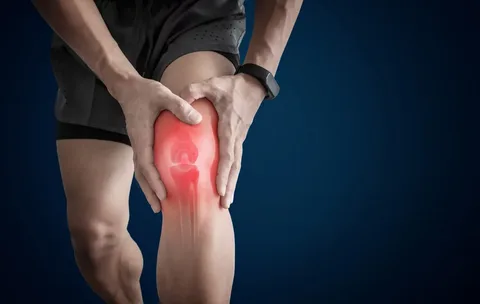

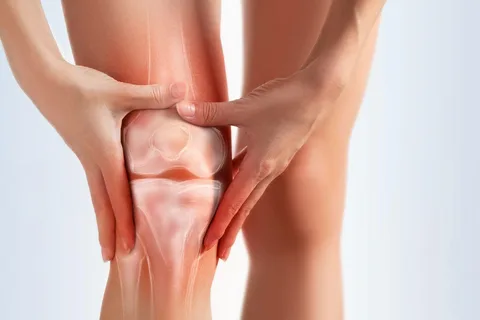
Knee pain can be confusing especially when it appears suddenly and you can’t link it to a fall, workout, or accident. Knee pain without injury often catches people off guard and raises concerns about what might be happening inside the joint. For many adults, this type of pain is a sign of an underlying condition that develops quietly over time rather than from a single traumatic event. Whether the discomfort is mild or intense, understanding why knee pain occurs without obvious injury is the first step toward lasting relief.
Causes of Knee Pain Without an Injury
The knee is one of the most complex joints in the body. It carries your weight, absorbs shock, and supports daily movements like walking, climbing stairs, and standing for long periods. Because of this constant use, knee structures can gradually wear down or become irritated even without a memorable injury. Here are some of the most common medical reasons knee pain develops unexpectedly.
1. Osteoarthritis and Cartilage Wear
Osteoarthritis is a leading cause of knee pain in adults over 40. Over time, the protective cartilage cushioning the knee joint thins out, allowing bones to rub together. This process often happens slowly, which is why pain may appear suddenly even though damage has been developing for years.
2. Inflammation Inside the Knee Joint
Inflammation can affect the lining of the knee joint, leading to stiffness, warmth, and pain. Conditions such as synovitis or autoimmune disorders may trigger knee discomfort without any physical trauma.
3. Tendon or Ligament Strain
Daily activities like climbing stairs, kneeling, or standing for extended periods can place repeated stress on knee tendons and ligaments. This can cause sudden knee pain without injury, especially after increased activity or prolonged sitting followed by movement.
4. Meniscus Degeneration
The meniscus acts as a shock absorber between the thigh and shin bones. Over time, it can weaken and develop small tears from routine motion rather than a specific injury, causing pain when bending or twisting the knee.
Common Symptoms to Watch For
Knee pain without injury can present in different ways depending on the underlying cause. Some people feel discomfort only during movement, while others notice pain even at rest.
Typical symptoms include:
- Swelling or stiffness around the knee
- Pain when walking, standing, or climbing stairs
- Clicking or popping sensations
- Limited range of motion
- Sharp knee pain without injury during sudden movements
If these symptoms persist or worsen, they shouldn’t be ignored.
When to Be Concerned for Knee Pain Without Injury
While mild discomfort may resolve with rest, certain signs indicate the need for professional evaluation. Pain that interferes with daily life, disrupts sleep, or continues for more than a few days often signals an underlying condition that requires treatment.
You should consider seeing a specialist if:
- Pain appears suddenly and intensifies
- Swelling doesn’t subside
- The knee feels unstable or weak
- Pain limits walking or standing
Early diagnosis can prevent further joint damage and speed up recovery.
How Do Doctors Identify the Cause?
A comprehensive knee evaluation typically includes:
- Detailed medical history and symptom review
- Physical examination to assess movement and stability
- Imaging tests such as X-rays or MRI scans
- Assessment of walking patterns and posture
These steps help pinpoint whether the pain is caused by arthritis, inflammation, tendon issues, or other joint disorders. A skilled knee pain doctor in Dallas will focus on identifying the root problem rather than masking symptoms.
Treatment Options for Lasting Knee Relief
Treatment depends on the cause and severity of symptoms. A personalized approach often produces the best results.
Conservative Treatments
- Activity modification and guided physical therapy
- Anti-inflammatory medications
- Supportive knee braces
- Weight management to reduce joint pressure
Advanced Pain Management
For patients who don’t respond to basic care, knee pain treatment in Dallas may include:
- Image-guided joint injections
- Regenerative medicine options
- Minimally invasive pain procedures
Working with a qualified specialist ensures treatment focuses on both pain relief and long-term joint health. Selecting the right provider matters especially when pain has no clear cause. Dr. Rao K. Ali is known for a patient-centered approach that combines advanced diagnostics with personalized treatment plans, helping patients regain mobility and confidence without unnecessary procedures.
Prevention of Knee Pain
While not all knee conditions are preventable, simple habits can protect joint health:
- Maintain a healthy weight
- Strengthen muscles around the knee
- Stretch regularly
- Avoid prolonged sitting without movement
- Wear supportive footwear
Consistent care can reduce stress on the knee and slow degenerative changes.
Conclusion
Living with knee pain can be frustrating especially when it appears without warning. Knee pain without injury is often the result of gradual joint changes, inflammation, or overuse rather than a single event. With early evaluation, accurate diagnosis, and expert care, most people can find relief and return to normal activities without ongoing discomfort. If knee pain is affecting your quality of life, seeking professional guidance sooner rather than later can make all the difference.
Frequently Asked Questions (FAQs)
Can knee pain happen without any injury?
Yes. Many conditions such as arthritis, inflammation, or tendon strain can cause knee pain even if you haven’t experienced a fall or accident.
Why does my knee hurt suddenly?
Sudden pain may be caused by inflammation, cartilage wear, or minor internal damage that developed gradually and became noticeable all at once.
Should I ignore knee pain if there’s no injury?
No. Persistent pain should always be evaluated to prevent worsening joint damage and mobility issues.
What is the best treatment for unexplained knee pain?
Treatment depends on the cause but may include physical therapy, medications, injections, or advanced pain management techniques.
When should I see a knee specialist?
If pain lasts more than a few days, worsens, or affects daily activities, it’s time to consult a specialist.

























Sign in to leave a comment.