

There is something nice about a backyard that feels easy to live in. You can step outside with your morning coffee, sit down for dinner later or let the kids take over the lawn for a while. But when everything is squeezed into the same area, the space can start to feel a little messy.
The right layout can bring some order to the space while keeping it comfortable and relaxed. The dining table can have its spot, the garden can have a little room of its own and an empty corner can finally become useful.
Dividing a backyard into functional zones can be a simple way to bring some order to all of this. Paving, planting and furniture can help mark out these spaces while keeping the backyard open and connected.
How to Bring Structure to Every Corner
Here are a few things to consider when creating zones that feel useful without making the backyard feel too divided.
1. Shape the Space Around Everyday Life
Think about what you already enjoy doing outside. Maybe the dining table is always moved closer to the garden. Perhaps one chair gets the best morning sun. An unused corner might simply be waiting for a reason to be used.
A few simple questions can help shape the layout:
- Where do people usually sit?
- Is there enough room for outdoor meals?
- Which areas get the most sunlight?
- Is there space for plants or a small garden?
- Could one open area work better for kids or pets?
These answers can help show which zones are worth creating. Not every part of the backyard needs a separate purpose. Some areas can stay open and flexible.
2. Use Paving to Give Each Zone Its Own Feel
Once the main zones are clear, the flooring can help bring the layout together.
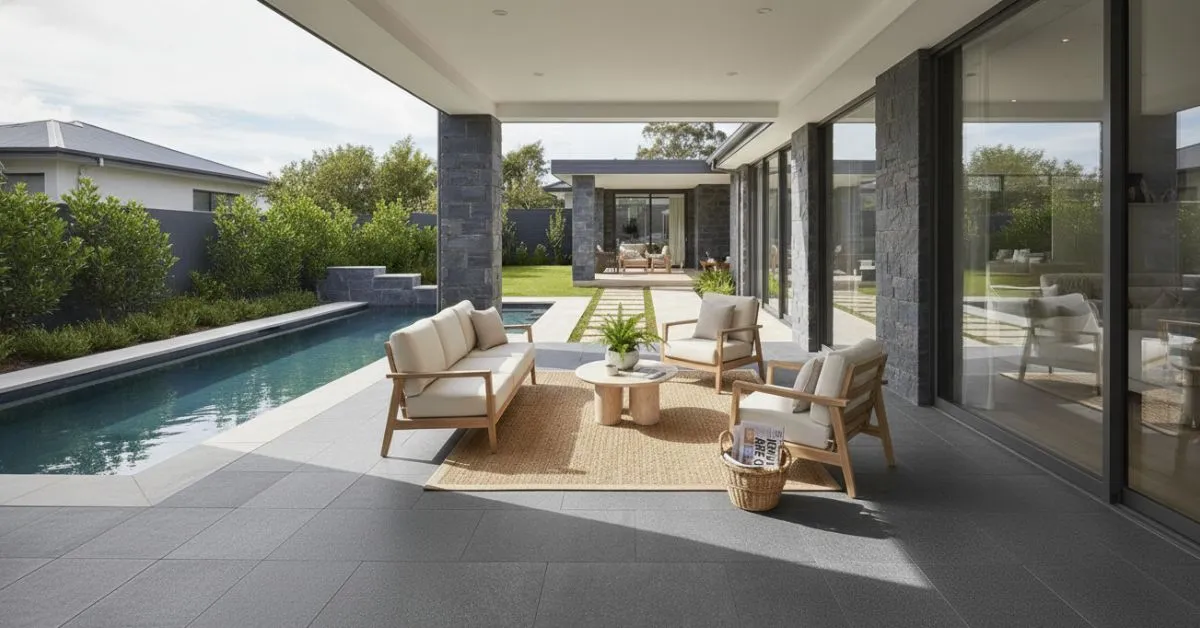
Paving can help give each part of the backyard a clear place without making the whole space feel broken up. A paved area can naturally mark out the dining space, while a path can lead towards the garden or a nearby seating area.
Silver travertine pavers can bring these areas together through the same material. Their soft tones can sit easily with greenery and outdoor furniture, so the paving does not have to take over the space.
The layout can still change from one area to another. One section might use a simple straight pattern, while another could have a more detailed layout. Plants, furniture and other small details can then give each zone its own feel.
3. Add Interest with a French Pattern
Sometimes, one zone deserves a little more attention.
A dining or entertaining area can be given its own look with a different paving pattern. A silver Travertine French pattern can help create this change while keeping the stone colour consistent with the rest of the space. The pattern uses different tile sizes to create a more detailed layout. This can make a dining area feel more defined without adding a physical divider.
It could work beneath an outdoor table, around a lounge setting or in a section that is meant to feel slightly separate from the rest of the yard. The change does not have to be dramatic. A different pattern underfoot can be enough to make one area feel like it has its own purpose.
4. Create Separation Without Closing the Space Off
Paving is only one part of zoning. The softer details around it can make just as much difference. Plants are a simple way to create a natural break between two areas. A low garden bed could sit between the lawn and dining space. A few large pots could also help mark the edge of a seating area.
Furniture can do the same job.
- A sofa can help define a lounge area
- A dining table can mark an eating zone
- A bench can create a small resting spot
- Pots can add a soft edge around a paved area
Paths can also help connect the zones. A clear walkway from the house to the dining area or garden can make the backyard easier to move through.
Where space allows, a small change in level can add another visual break. Even then, the areas can still stay open to one another. The aim is not to create separate rooms outside. It is more about giving each part of the backyard a clear role while keeping the whole space comfortable.
5. Make the Zones Feel Like One Backyard
Once the different areas are in place, a few shared details can help everything sit together.
Using the same paving across key areas is one way to create this link. Silver Travertine pavers could run through the main outdoor spaces while plants, furniture and patterns give each zone its own character.
A few details could also be repeated across the backyard:
- Similar plant colours
- Matching furniture tones
- The same stone in key areas
- A consistent path style
It is also worth leaving some areas open. Filling every corner with furniture, plants or features can make the backyard feel crowded.
Conclusion
The way a backyard is used can change over time. A dining spot may be used for a family meal one evening and for guests on another day. That unused corner might become a place for coffee, while the lawn can stay open for the kids. Planning these areas around everyday use can make the backyard easier to enjoy. Nothing has to feel too fixed. The space can simply work around the way you spend time outside.
Disclaimer: The information provided in this blog is to the best of our knowledge and intended as a general guide. We recommend confirming all details based on your specific project requirements before execution.



















Sign in to leave a comment.