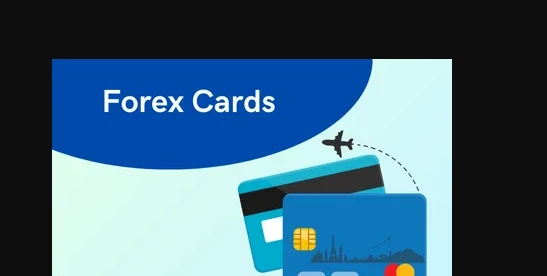

Handling money in a foreign country can be challenging, especially when you are not familiar with the local currency and available payment options. Decisions such as how much cash to carry or when to use a card influence your overall travel budget. With some preparation and a basic understanding of what a Forex Card is, managing international payments becomes more structured and predictable.
Banks and financial institutions provide various solutions that help travellers manage foreign currency with greater clarity. They offer channels for secure transactions, timely support and access to multiple payment modes when travelling abroad. The steps you take before and during your journey play an important role in ensuring that your foreign currency usage remains organised and well-controlled.
Understanding Forex and Why a Forex Card Helps
Forex transactions cover any activity involving foreign currency, including payments, cash withdrawals and loading funds onto a card. These transactions are influenced by exchange rates, which can change from time to time. Being aware of these shifts helps you plan your spending and avoid unexpected conversion costs during travel.
A travel card can support international payments in multiple countries and helps reduce the need to carry excess cash. It provides structured access to foreign currency and allows users to organise their expenses more effectively while abroad. Understanding how a travel card works enables you to manage routine transactions with greater clarity and maintain better control over your spending.
Simple Ways to Manage Forex Transactions Overseas
Managing a Forex Card abroad does not have to be complicated. The following steps make the process easier and help you stay in control of your spending.
1. Plan Your Money Before You Travel
It helps to begin with a rough idea of your expected expenses. Thinking through costs like meals, transport and small daily purchases gives you a clearer sense of how much foreign currency to load on your travel card and how much cash you may need at the start. A quick check of your card’s validity, usage settings and international limits before you leave can also prevent last-minute issues.
2. Use Your Forex Card for Daily Expenses
A Forex Card can be used for routine transactions abroad and reduces the need to carry too much cash. Many travellers use it for meals, local travel or basic shopping, while keeping a small amount of cash for places that do not accept cards. Checking your balance and reviewing recent transactions from time to time helps you stay aware of how much you have spent.
3. Monitor Your Spending Regularly
Keeping track of your card activity during the trip helps you understand how your funds are being used. Alerts for payments or withdrawals can also help you notice any unfamiliar activity at an early stage, allowing you to act quickly if required.
4. Reload When Needed
If you are travelling for an extended period, you may need to add more funds. Reloading through authorised banking channels keeps the process secure. It is advised to avoid public networks when doing this and to keep an alternative payment option available in case of a delay.
5. Choose Local Currency When Making Payments
Some merchants may offer to charge your purchase in your home currency. Opting for the local currency can keep the conversion clearer and help you track the exact amount you are paying. Reviewing the amount shown on the terminal and keeping the receipt can help with later reference.
6. Limit Cash Withdrawals Abroad
Withdrawals from ATMs overseas may attract extra charges, so withdrawing only when necessary can help you manage costs. Using recognised ATMs and checking withdrawal limits in advance also helps ensure smoother access to cash.
7. Carry a Backup Payment Option
A secondary payment option, such as another card, can be useful if your primary card is misplaced or temporarily blocked. Keeping essential card details securely stored and knowing how to reach your bank’s support team ensures that you can take quick action in such situations.
8. Focus on Basic Security Measures
It is important to stay alert when using your travel card abroad. Reviewing your recent transactions, avoiding public or unsecured networks and handling your card carefully reduces the risk of misuse. Having your bank’s contact information easily accessible also helps you address any concerns without delay.
Staying Aware of Exchange Rates
Exchange rates may change regularly and can affect how much you spend during your trip. Keeping track of these changes helps you understand the value of your transactions.
Key points to keep in mind:
- Exchange rates may vary throughout the day and influence the cost of your payments abroad.
- Checking the prevailing rate before loading currency or making larger payments helps you know what to expect.
- Travellers often use their bank's digital channels to get updated currency information.
- Established institutions, such as ICICI Bank, may provide precise details on upto 15 supported currencies and related information.
- If you are visiting multiple countries, reviewing the rates for each currency helps you understand how your balance may differ from one destination to another.
Staying aware of basic rate movements helps you plan your foreign currency usage more effectively.
Additional Tips for Smoother Forex Management
A few general habits make overseas money management easier and more secure.
- Carry some destination currency for immediate use on arrival
- Keep digital copies of your important travel documents
- Inform your bank about your travel dates
- Avoid sharing financial details on public platforms
- Card settings can be disabled if the card goes missing
- Contacting your bank's support team helps address concerns about international use
These measures protect you from inconvenience and ensure that your financial activity remains safe.
How Banks and Financial Institutions Support Travellers
Banks and financial institutions play an important role in helping travellers handle money confidently while abroad. Their support includes:
- Secure payment options that allow travellers to make transactions safely in different countries
- Reliable currency loading and reloading channels that keep funds accessible throughout the trip
- Clear processes and guidance that help users manage their spending without confusion
- Dedicated assistance for international travellers, including help with card-related issues
- A structured framework for managing foreign currency, which reduces uncertainty for first-time travellers
Many travellers choose established lenders because they are familiar with the processes and support channels offered by these institutions.
Conclusion
A Forex Card helps you handle everyday payments and reduces the need to carry large amounts of cash. Keeping track of your spending, staying aware of exchange rates and following basic security practices ensures that your payments remain organised throughout your trip.
Banks, lenders and financial institutions support this process by offering secure and dependable ways to manage foreign currency. With the right approach, you can maintain better control over your money and support a more organised financial experience during travel.
























Sign in to leave a comment.