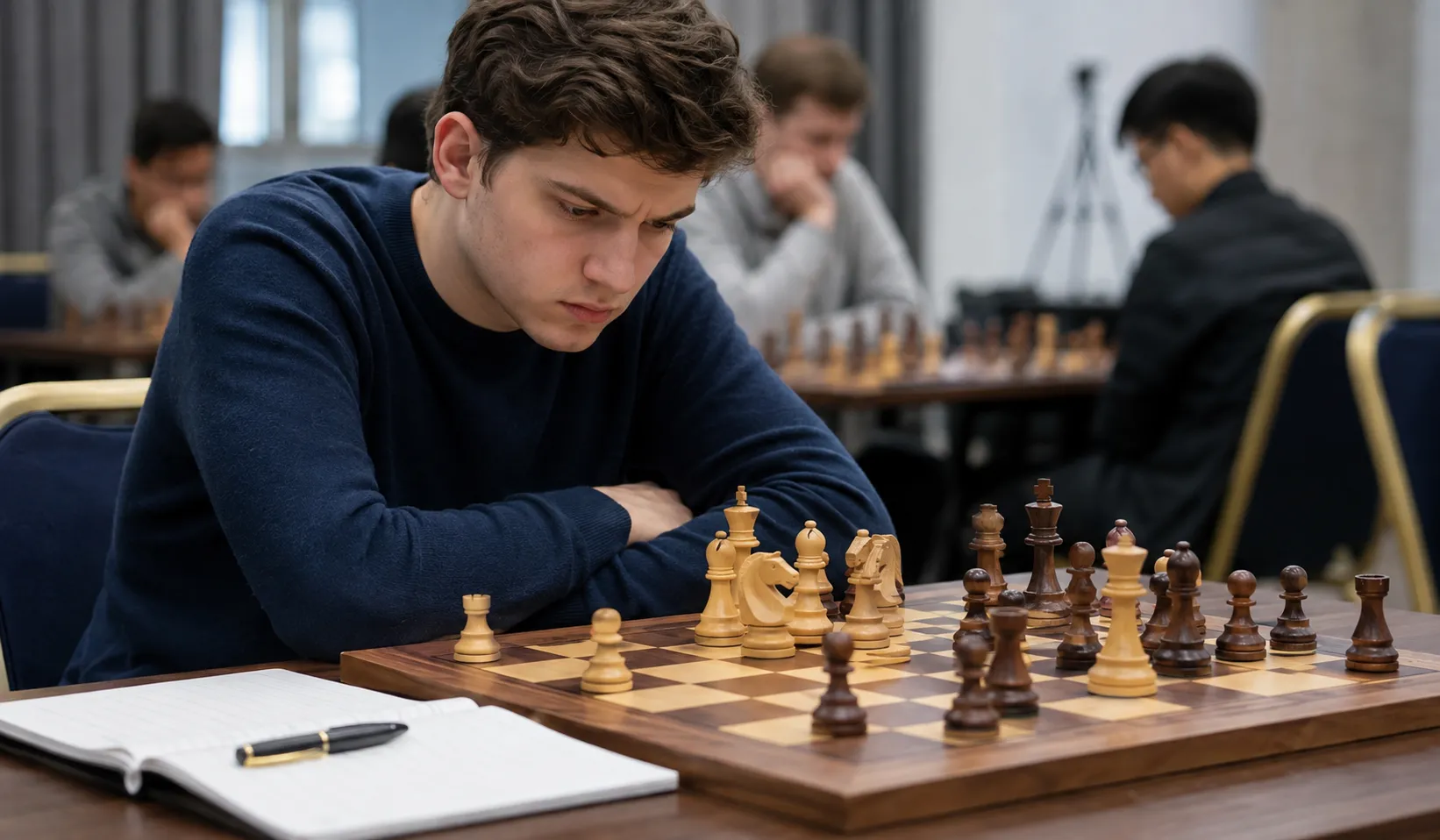

Knowing how to exchange pieces in chess based on what the position requires is a major part of positional decision-making. A trade changes more than the material count. It can alter piece activity, pawn structure, king safety, attacking chances, and the type of endgame you may reach.
That makes every important exchange a decision about the position that comes afterward.
Understand What the Position Requires
Before you exchange a piece, look at the position as a whole.
Ask yourself:
- Which side has the better position?
- Which pieces are most active?
- Which piece is poorly placed?
- Whose king is safer?
- Are there important weaknesses?
- What will change after the exchange?
A trade can be equal in material and still favor one player because the resulting position is better for that side. Chess.com also identifies gaining a better position as one of the main reasons to make an exchange.
So, when deciding when to exchange pieces in chess, compare the position before and after the trade.
When You're Ahead in Material
If you're ahead in material, exchanging pieces can make your advantage easier to use.
For example, suppose you have an extra bishop. With many pieces still on the board, your opponent may have tactical chances and attacking resources. Trading queens or other active pieces can reduce those possibilities and bring the game closer to an endgame where your extra material matters more.
This is a general principle, not an automatic rule. You still need to check whether the exchange gives your opponent active pieces, a dangerous passed pawn, or other compensation.
The key question is:
Does this exchange make my advantage easier to convert?
If the answer is yes, the trade deserves serious consideration.
Exchange Your Opponent's Strongest Piece
One of the most useful ideas in exchanging pieces in chess is to identify which piece is doing the most work.
Imagine your opponent has a knight on a strong central outpost. It controls important squares, restricts your pieces, and supports an attack.
If you can exchange that knight for one of your pieces of similar value, the trade may improve your position considerably.
The same applies to an enemy bishop controlling a powerful diagonal or a rook dominating an open file.
Piece activity matters because equal material doesn't mean equal piece strength. A well-placed piece can have much greater practical value than a poorly placed piece of the same nominal value.
Preserve Your Best Piece
The other side of the principle is equally important.
If one of your pieces is particularly strong, think carefully before allowing your opponent to exchange it.
Suppose your bishop controls important squares around the enemy king. Removing that bishop may take away much of your attacking potential.
Or perhaps your knight has found a permanent outpost. If your opponent offers a trade that removes it, ask whether your remaining pieces can maintain the same pressure.
A good exchange often depends on which piece remains after the trade.
When You Have an Attack, Keep the Right Pieces
If your advantage comes from active pieces and pressure against the king, unnecessary exchanges can reduce your attacking chances.
Imagine your queen and bishop are working together against an exposed king. Your opponent offers a queen exchange.
Before accepting, calculate the position after the queens disappear.
If your attack was based on the queen's activity, the resulting position may be much less favorable. A queen exchange can remove the attacking piece that was creating your advantage.
This doesn't mean queen exchanges are bad during an attack. Sometimes removing the opponent's queen or another defender makes the attack easier to execute. The position decides.
Consider Piece Activity Before Trading
Material value gives you a starting point, but it doesn't tell you everything about an exchange.
Before trading, compare the pieces involved:
Which piece is more active?
Which piece has better future squares?
Which piece is attacking or defending something important?
Who benefits when those pieces disappear?
For example, trading a passive bishop for an opponent's powerful knight can be favorable even though both pieces have the same basic material value.
The goal is to reach a position where your remaining pieces have useful jobs and your opponent's pieces have fewer good options.
Think About the Pawn Structure
Piece exchanges can affect the pawn structure as well.
A recapture may create doubled pawns. Another exchange may leave an isolated pawn. A trade can also open a file or diagonal that changes how the remaining pieces operate.
These changes can matter for a long time, especially when the game moves toward an endgame.
Before making an exchange, look at the recapture.
Ask:
What will the pawns look like after the trade?
Then check whether those pawns will become targets or provide useful open lines for your pieces.
Exchange Pieces to Reach a Favorable Endgame
Sometimes the main reason for an exchange is the endgame you expect to reach.
Suppose you have a superior pawn structure and better king activity. Trading pieces can bring the game into an ending where those advantages become easier to use.
The same idea applies when you know that one type of endgame favors you. If the exchange leads to a position you understand and can evaluate as favorable, simplification can be a strong practical choice.
But calculate first.
A trade that looks favorable at first glance may lead to an endgame where your advantage disappears.
Be Careful With Queen Exchanges
Queen exchanges deserve extra attention because queens have such a large effect on the position.
When you're ahead and the queen trade leads to a favorable endgame, removing queens can reduce your opponent's attacking and tactical possibilities.
When your advantage comes from an attack, however, trading queens may remove the main source of your pressure.
So don't accept a queen exchange simply because it looks safe.
Calculate the position after the queens are gone. Check the king activity, pawn structure, remaining pieces, and material balance.
Don't Exchange Automatically
A common mistake is making a trade simply because the opportunity exists.
You capture a piece. Your opponent recaptures. The material remains equal.
But what happened to the position?
Maybe your opponent's rook became active on an open file. Maybe you gave up your strongest bishop. Maybe the exchange created a weak pawn you now have to defend.
This is why how to exchange pieces in chess requires looking beyond the capture itself.
A useful habit is to ask:
What changes after the exchange?
If you can't identify a benefit, calculate the position again before committing.
A 5-Question Exchange Checklist
Before an important exchange, ask yourself these 5 questions:
- Which piece is stronger in this position?
- Who benefits from removing these pieces?
- What happens to the pawn structure?
- Will the remaining pieces become more or less active?
- Is the resulting position favorable for my plan?
These questions don't need to take several minutes. In a tactical position, calculation comes first. In a quieter position, this checklist can help you avoid automatic trades.
Final Thoughts
Good exchanges are connected to the position.
You may want to trade pieces when you're ahead in material, remove an opponent's strong piece, reduce counterplay, or reach a favorable endgame. You may also want to keep pieces when your attack depends on their activity.
The right decision comes from evaluating what remains after the exchange.
Once you understand how to exchange pieces in chess based on what the position requires, trading becomes part of your overall plan. You're choosing which pieces should remain, which should disappear, and what kind of position you want to play next.
Improve Your Chess Decision-Making
Want to make better decisions about when to exchange pieces in chess? Learn how to evaluate positions, choose the right trades, and build stronger chess habits with MM Chess Academy.
Website: https://www.mmchess.org
Email: [email protected]
FAQs
Q1. When should you exchange pieces in chess?
You should consider an exchange when it improves your position, removes an active enemy piece, reduces counterplay, or leads to a favorable endgame. Always evaluate the position that remains after the trade.
Q2. Should you exchange pieces when you're ahead in chess?
Usually, exchanging pieces can help when you're ahead in material because it can reduce your opponent's counterplay. However, the resulting position still needs to be evaluated before you make the trade.
Q3. When should you avoid exchanging pieces in chess?
Avoid an exchange when it removes your strongest attacking piece, improves your opponent's activity, creates serious weaknesses, or gives up an advantage you still need to use.
Q4. Should you exchange queens in chess?
It depends on the position. A queen exchange can be useful when you're ahead and the resulting endgame is favorable. If your advantage comes from an attack against the king, keeping queens may preserve your attacking chances.
Q5. What should you consider before exchanging pieces in chess?
Consider material, piece activity, king safety, pawn structure, open files, weaknesses, and the resulting endgame. The best chess piece exchanges are the ones that leave you with a position that is easier or better for you to play.






























Sign in to leave a comment.