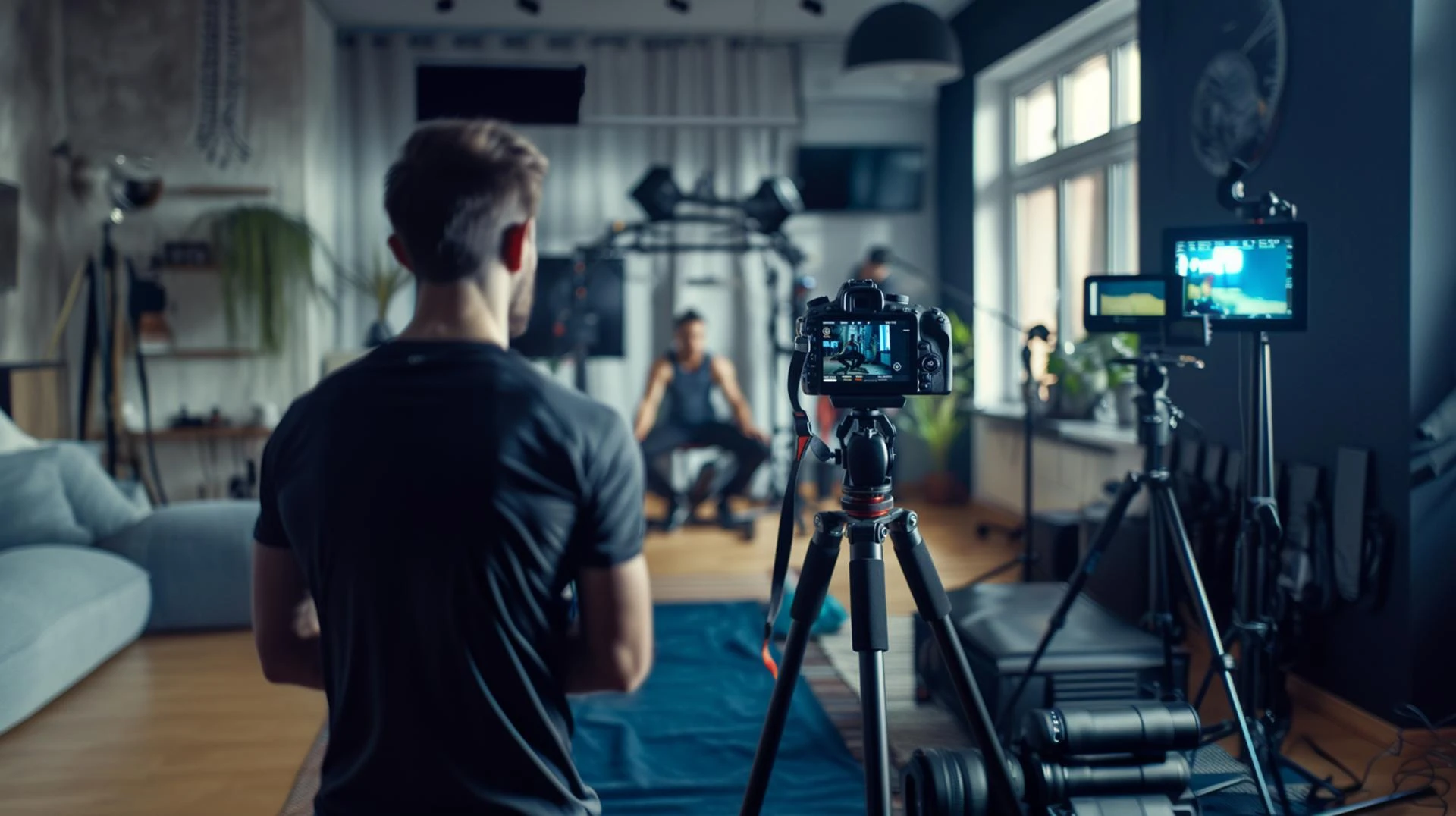

Creating professional-quality videos is not about having the most expensive camera or the largest crew. It comes from mastering a collection of production techniques that shape how your story is captured and presented. Whether you are a beginner with a basic setup or an emerging filmmaker ready to elevate your craft, understanding the fundamentals of filming like a pro can dramatically transform your work.
A strong production begins with solid pre-production. Before you even touch a camera, define your concept, identify your audience, and map out your visual plan. A simple script or outline keeps your story focused, while a storyboard helps you visualize each scene. Professional filmmakers rely on shot lists because they ensure efficiency on set. Planning also includes scouting locations and identifying challenges like lighting conditions, ambient noise, and space constraints.
Next comes the backbone of professional filmmaking: lighting. Light shapes mood, highlights subjects, and adds depth to your visuals. One widely used technique is three-point lighting, which includes a key light for the main illumination, a fill light to soften shadows, and a backlight to create separation from the background. Even in outdoor shoots, reflectors and diffusers help control natural light. Avoid mixing different light temperatures unless you are aiming for a specific stylistic effect.
Another core technique is mastering camera movement. Static shots work for interviews or subtle emotional moments, but dynamic movement adds cinematic richness. Tools like gimbals, sliders, and handheld rigs help create smooth motion. Slow, controlled movements often feel more professional than fast, shaky ones. Consider the purpose behind every movement: pushing in can intensify emotion, while pulling back can create distance or reveal context.
Composition is equally important. The rule of thirds, leading lines, frames within frames, and symmetry guide the viewer’s eye and shape how they perceive the scene. Professional filmmakers constantly think about how each shot supports the story. Balanced composition builds visual interest, and intentional framing can turn even simple objects into storytelling elements.
Sound often separates amateur videos from polished productions. Clear audio is non-negotiable. Using external microphones like lapel mics, shotgun mics, or recorders dramatically improves sound quality. Always monitor audio levels to avoid distortion or background interference. In environments with heavy noise, consider recording clean ambient sound separately for better control during editing.
Speaking of editing, post-production is where your footage truly comes to life. Professional editing involves more than arranging clips. Color correction ensures consistency, while color grading adds emotion and style. Proper pacing keeps viewers engaged, and well-placed transitions help the story flow naturally. High-quality sound design, including music, foley, and ambient tracks, enhances immersion.
Another pro technique is continuity management. Professional sets rely on script supervisors or continuity checks to ensure that props, wardrobe, lighting, and actor positions match from shot to shot. If continuity breaks, the illusion of the scene is disrupted. Taking notes, snapping reference photos, and reviewing earlier footage can save hours in editing.
Filming like a professional also means knowing how to direct effectively. Good directors communicate clearly, keep the crew aligned, and guide actors gently but with intention. Creating a relaxed set environment helps everyone perform better. When you understand the emotional goals of each scene, your directions become more meaningful and your actors’ performances more natural.
Finally, always keep learning. Technology changes quickly, and staying updated with new lenses, camera profiles, lighting tools, drones, and editing techniques can sharpen your competitive edge. Watching behind-the-scenes videos, analyzing films, and practicing regularly all contribute to long-term improvement.
With the right combination of preparation, technique, and creative vision, you can film with the confidence and precision of a seasoned professional. Whether you're shooting commercials, brand films, documentaries, or social media content, mastering these essential techniques ensures every project feels polished and impactful.
For filmmakers looking to elevate their storytelling and visual quality, working with experts who understand both creativity and technical execution can make all the difference. This is where Caldera Films brings unmatched value, helping brands and creators produce cinematic, high-quality content that stands out from the rest.
FAQs
1. What is the most important aspect of filming like a professional?
Planning is the foundation. Strong pre-production, including script prep, shot lists, and location scouting, makes the filming process smoother and ensures high-quality results.
2. Do I need expensive equipment to get professional-looking footage?
No. Good lighting, sound techniques, composition, and storytelling have a much bigger impact than the price of your gear. Even basic cameras can produce great visuals when used properly.
3. How can I make my videos look more cinematic?
Focus on controlled lighting, shallow depth of field, smooth camera movement, thoughtful composition, and color grading. Combined, these elements create a polished cinematic feel.

























Sign in to leave a comment.