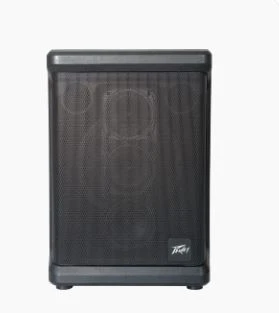

Live performance puts your sound under pressure. You can rehearse for weeks, fine-tune your setlist, and still lose impact if your audio falls flat. Audiences notice clarity, balance, and punch even if they cannot describe it in technical terms. In this blog, you will learn how to evaluate power, coverage, portability, and connectivity so you can choose the best portable PA system for your gigs with confidence.
What Musicians and DJs Should Prioritize in a Gig-Ready PA
When you step onto a stage, your system has one job. It must deliver consistent sound without slowing you down. A portable setup should combine output strength, clean audio, and quick assembly. High wattage numbers alone do not guarantee success. You need to understand how each feature affects your performance in real venues. Below are some features that the best portable PA system should always have.
Power and Headroom for Live Performance
Power ratings often catch your attention first. Continuous wattage gives you a realistic idea of what the system can handle during a full show. Peak ratings reflect short bursts, not steady use.
For small indoor venues, moderate power may work well. Coffee shops and private events rarely demand extreme volume. Larger halls and outdoor spaces require more output. Open air absorbs sound quickly, so you need extra headroom to keep your mix clear.
Headroom refers to how much volume you can use before distortion begins. DJs who play bass-heavy tracks need clean low-end power. Vocalists need clarity at higher levels. If your system struggles near its limits, the sound becomes harsh and tiring.
Choose a system that gives you comfortable breathing room instead of pushing it to the edge every night.
Speaker Size and Sound Coverage
Speaker size influences how your music feels in a room. Larger woofers move more air and produce stronger bass. A 12-inch or 15-inch woofer often suits dance events and live bands. Smaller drivers may work for acoustic sets or speech.
High-frequency drivers handle vocals and detail. Clear highs help your lyrics cut through background noise. Balanced sound depends on both low and high drivers working together.
Coverage matters as much as volume. Wide dispersion spreads sound evenly across the audience. Narrow coverage creates hot spots in front and weak sound at the sides. Column array designs often provide a smooth horizontal spread, while traditional cabinets offer focused projection.
When you choose a system, think about the spaces you play most often. A well-covered room feels more engaging than a loud but uneven one.
Built-In Mixer and Input Flexibility
A built-in mixer simplifies your setup. Many portable systems include multiple XLR and line inputs. You can connect microphones, instruments, and media players without extra hardware.
EQ controls help you adjust tone quickly. If a room sounds boomy, you can trim the low frequencies. If vocals lack presence, you can boost the mids slightly. Quick adjustments save time during soundcheck.
Some systems offer onboard reverb for vocals. Light effects add depth without carrying external processors. DJs benefit from line inputs that accept controllers and mixers easily.
Input flexibility reduces cable clutter. Fewer external devices mean faster setup and breakdown.
Portability and Setup Efficiency
Portability affects every gig. You carry equipment in and out of venues, sometimes upstairs or across parking lots. Lightweight cabinets make that process easier.
Integrated handles and built-in wheels reduce strain. Compact designs fit in smaller vehicles. Fast assembly saves time when you arrive close to showtime.
Column systems often assemble in vertical sections. Traditional speakers may require stands and separate cables. Each design offers advantages. Your choice depends on how quickly you need to set up and how much space the venue provides.
Simple design leads to smoother shows. When your system sets up quickly, you focus more on performance and less on logistics.
Connectivity and Expansion Options
Modern systems often include Bluetooth streaming. You can play background music during breaks without extra cables. Wireless streaming works well for casual events, though wired connections provide more stable performance during live sets.
Link outputs allow you to connect multiple speakers. This feature expands coverage for larger venues. Subwoofer outputs add deeper bass for dance events. Adding a sub changes the feel of your music instantly.
Some systems include DI outputs. You can connect to a larger sound system if the venue provides one. That flexibility allows your portable setup to adapt as your gigs grow.
Expansion options protect your investment. You can start small and build your system gradually.
Durability and Reliability for Frequent Gigs
Frequent performances test your equipment. Solid cabinet construction resists dents and scratches. Metal grilles protect drivers from impact.
Thermal protection prevents overheating during long sets. Built-in limiters guard against signal spikes. These features operate quietly in the background while you perform.
Reliable gear supports your reputation. Audiences may not notice your system when it works well, but they will notice problems. Investing in quality reduces stress and downtime.
When you trust your equipment, you perform with more confidence.
Conclusion
Choosing the best portable PA system requires more than scanning spec sheets. You need balanced power, even coverage, flexible inputs, and dependable construction. When you evaluate these elements carefully, you select gear that supports your style and venue needs. Live sound technology continues to improve with lighter materials and smarter processing. As performance spaces change and audiences expect higher quality, your understanding of these fundamentals helps you adapt and deliver consistent, professional sound at every gig.




























Sign in to leave a comment.