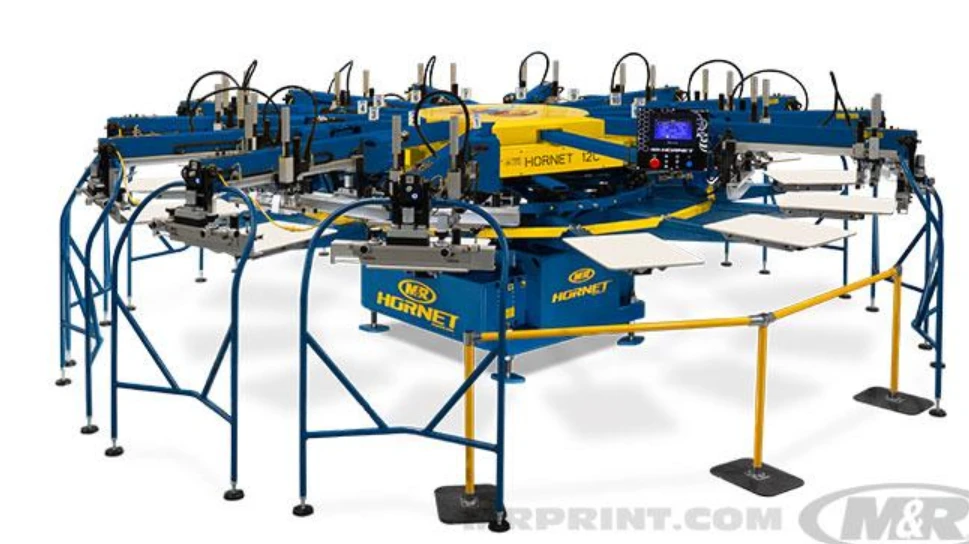

Every print shop reaches a moment when growth demands better tools. Maybe orders increased. Maybe quality expectations changed. Or maybe production simply feels slower than it should.
Selecting the right Printing Equipment can transform daily operations, but the decision can feel overwhelming. With so many machines, features, and price points available, it’s easy to focus on specifications instead of real needs.
This post helps you evaluate options practically so your investment supports productivity, consistency, and long-term shop stability.
Understand automation levels and workflow impact.
Automation affects more than speed. It shapes labor efficiency, consistency, and setup time. Manual systems offer control and affordability, but they require more operator involvement. Semi-automatic solutions reduce repetitive tasks and improve alignment stability. Fully automated platforms deliver consistent output with minimal intervention.
However, automation only helps when it fits your workflow. Shops with limited space or staff may not benefit from complex systems. Instead, they should prioritize intuitive controls and manageable maintenance routines. The goal is balance. Technology should support your team, not complicate operations.
When evaluating Printing Equipment, consider how each option integrates into your production environment. Look at loading processes, adjustment accessibility, and cleaning procedures. Machines that simplify daily routines often outperform those with excessive features. Practical usability directly influences output reliability and operator confidence.
Start with production goals.
Many buyers compare machines before clarifying what they need to produce. That approach leads to unnecessary upgrades or capability gaps. Instead, define your production priorities first. Consider the types of materials you print most often. Apparel jobs, promotional products, and specialty surfaces each demand different technical requirements.
Next, assess output volume. Shops handling high daily order counts require automation and faster cycle speeds. Smaller operations may benefit more from flexibility than speed. When you match equipment capabilities to real production patterns, you prevent overspending and underperformance.
Also, evaluate your growth direction. If you plan to expand into multi-color designs or larger runs, choose systems that can scale. Expansion-ready solutions prevent costly replacements later. When you align machine selection with business direction, your investment becomes strategic rather than reactive.
Compare durability, maintenance, and long-term value.
Purchase price alone never reflects total cost. Durable construction, reliable components, and accessible maintenance determine long-term value. A machine that performs consistently for years often costs less overall than a cheaper alternative requiring frequent repairs.
- Start by examining structural stability. Strong frames reduce vibration, which improves print precision.
- Review adjustment systems. Tools that allow fine control over pressure and alignment improve repeatability across runs.
- Precision features protect quality during extended production cycles.
- Maintenance requirements also deserve attention.
- Equipment designed for easy cleaning and servicing reduces downtime.
- Ask how often parts require replacement and whether routine care requires specialized tools.
Efficient maintenance supports predictable scheduling and reduces unexpected interruptions.
To simplify evaluation, consider this comparison:
| Factor | Entry-Level Systems | Production-Focused Systems |
| Initial cost | Lower investment | Higher upfront cost |
| Output consistency | Moderate stability | High repeatability |
| Maintenance effort | More frequent adjustments | Structured servicing |
| Lifespan expectation | Shorter operational span | Longer service life |
This comparison highlights an important insight. Long-term performance depends more on reliability than initial affordability. When machines maintain precision over time, they protect both productivity and reputation.
Match capability with real customer demand
Shops often invest based on potential opportunities rather than confirmed demand. While growth planning is important, equipment should reflect current market needs first. Review your most common order types and identify performance requirements tied to those jobs.
For example, detailed designs require stable registration and consistent pressure control. Large-volume orders demand faster cycle times and efficient material handling. Specialty materials may require adjustable settings or enhanced precision. Matching capability with demand prevents unnecessary complexity.
Also consider turnaround expectations. If customers require rapid delivery, prioritize machines that support quick setup and repeatability. Efficient changeovers improve responsiveness and customer satisfaction. When equipment supports actual order patterns, production becomes predictable and scalable.
Finally, evaluate training requirements. Machines that require extensive learning curves may slow adoption. Choose solutions that allow operators to gain proficiency quickly. Practical usability ensures your investment delivers value immediately.
Evaluate space, workflow layout, and operator comfort
Even powerful machines struggle in poorly planned workspaces. Before selecting equipment, review your shop layout carefully. Consider loading zones, movement paths, and storage areas. Efficient layouts reduce handling time and minimize operator fatigue.
Measure available floor space and compare it with equipment dimensions. Include clearance for operation and maintenance. Crowded environments increase the risk of damage and slow workflow. Well-planned placement improves safety and efficiency simultaneously.
Operator comfort also matters. Controls should be accessible and easy to understand. Clear visual feedback supports accurate adjustments. When operators interact confidently with machines, output quality improves naturally. Equipment should enhance workflow rhythm rather than disrupt it.
Additionally, consider noise levels and vibration. Quiet, stable systems create a better working environment. Comfortable spaces support consistent attention and reduce errors during long production runs. Thoughtful planning ensures that your Printing Equipment integrates smoothly into daily operations.
The Final Words
Choosing the right system involves balancing performance, reliability, and workflow compatibility. Focus on real production needs, evaluate durability, and plan for growth carefully. When equipment aligns with business direction, daily operations become more efficient and predictable.
Remember that effective selection is not about buying the most advanced machine available. It’s about choosing the solution that fits your shop’s rhythm and customer expectations. A thoughtful decision today prevents operational limitations tomorrow.
The right printing equipment supports consistency, reduces downtime, and strengthens production confidence. When your tools match your workflow, your shop operates with greater control and clarity. Use these evaluation steps to make an informed decision that supports sustainable growth and dependable results across every order.



























Sign in to leave a comment.