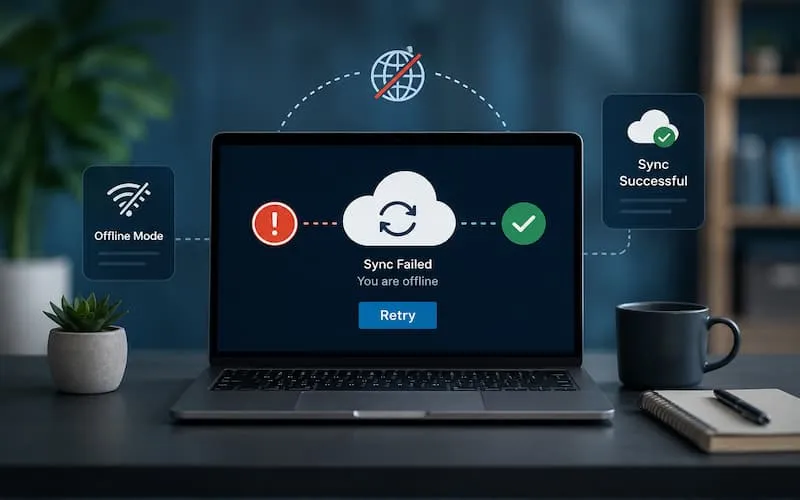

Offline functionality has become a critical feature in modern construction technology, especially for teams working in remote or connectivity-challenged environments. Many companies rely on digital tools to manage site operations, inventory, inspections, and safety documentation. However, one of the most common issues users face is offline mode synchronization failure, which can disrupt workflows and delay project reporting. In regions where digital transformation in construction is rapidly growing, such as with Scaffolding software in saudi arabia, reliable offline sync performance is especially important for maintaining productivity across distributed job sites.
This guide explains the causes of offline sync errors in scaffolding applications, how to fix them step-by-step, and how to prevent them in the future.

Understanding Offline Mode Sync Errors in Scaffolding Apps
Offline mode sync errors occur when a construction management or scaffolding application fails to properly transfer stored offline data to the cloud once the internet connection is restored. These apps are designed to store data locally—such as inspection reports, scaffold tagging updates, and site photos—and later sync them with a central database.
When synchronization fails, users may experience missing updates, duplicated entries, or outdated project information across teams.
Common Causes of Offline Sync Problems
Before fixing the issue, it’s important to understand why it happens. The most frequent causes include:
1. Poor or Unstable Internet Connection
Even though the data is stored offline, syncing requires a stable connection. Weak mobile signals or fluctuating Wi-Fi often interrupt the process.
2. App Cache Corruption
Over time, cached files may become corrupted, preventing the app from correctly uploading or merging offline data.
3. Outdated Application Version
Older versions of scaffolding apps may not support updated cloud sync protocols, leading to compatibility issues.
4. Device Time and Date Mismatch
Incorrect system time settings can cause authentication failures between the device and the server.
5. Storage Limitations
If your device is running low on storage, the app may fail to process or queue sync files properly.
6. Data Conflicts
When multiple users edit the same scaffold record offline, conflicts occur during synchronization.
7. Server-Side Issues
Sometimes the issue is not on the device but on the cloud server handling synchronization requests.
Step-by-Step Fix for Offline Sync Errors
Here is a structured troubleshooting approach to resolve offline mode issues in scaffolding apps.
Step 1: Check Internet Connectivity
Start by ensuring your device has a stable internet connection. Switch between mobile data and Wi-Fi to test which works better. If you're on a construction site, move closer to a signal source or use a network booster.
Once connectivity is stable, reopen the app and trigger manual synchronization.
Step 2: Restart the Application
A simple restart can often resolve temporary glitches. Close the scaffolding app completely from the background and relaunch it. This forces the system to reinitialize sync services.
Step 3: Clear App Cache
Corrupted cache files are a major cause of sync errors.
- Go to device settings
- Open “Apps” or “Application Manager”
- Select your scaffolding app
- Tap “Clear Cache”
Avoid clearing data unless absolutely necessary, as this may delete offline records.
Step 4: Verify Device Time and Date Settings
Incorrect system time can block secure sync requests.
- Enable “Automatic Date & Time”
- Restart your device
- Retry synchronization
This ensures secure authentication between the device and cloud servers.
Step 5: Free Up Storage Space
Low storage prevents temporary sync files from being processed.
- Delete unnecessary media files
- Remove unused apps
- Clear downloads folder
Aim to maintain at least 1–2 GB of free space for smooth operation.
Step 6: Update the Scaffolding App
Developers frequently release updates to fix synchronization bugs and improve offline handling.
- Visit your app store
- Check for updates
- Install the latest version
Updated scaffolding management software ensures compatibility with cloud services and reduces offline errors.
Step 7: Resolve Data Conflicts Manually
If multiple users edit the same scaffold record, conflicts may occur.
To resolve:
- Open the sync error log in the app
- Identify conflicting records
- Choose the correct version or merge data manually
- Re-sync the updated record
Some advanced apps offer automatic conflict resolution—enable this feature if available.
Step 8: Re-login to the Application
Authentication tokens may expire during long offline periods.
- Log out of the app
- Close it completely
- Log back in using credentials
- Attempt sync again
This refreshes access permissions and restores cloud connectivity.
Step 9: Check Server Status
If all devices are experiencing sync failures, the issue may be server-side.
- Visit your software provider’s status page
- Check for downtime or maintenance updates
Wait until servers are restored before retrying sync
Preventing Offline Sync Errors in the Future
Fixing the issue is important, but prevention ensures smoother long-term operations.
1. Regular App Maintenance
Keep your scaffolding application updated and clear cache periodically.
2. Train Field Teams Properly
Ensure workers understand how offline mode works and when to sync data manually.
3. Enable Auto-Sync Where Possible
Most modern apps offer auto-sync when connectivity is restored. Always enable this feature.
4. Use Reliable Devices
Low-end devices often struggle with heavy construction apps. Invest in devices with sufficient RAM and storage.
5. Monitor Sync Logs
Regularly review sync logs to identify recurring issues before they escalate.
Best Practices for Using Offline Mode in Construction Sites
Offline functionality is especially useful in remote scaffolding environments, but it must be used correctly:
- Always open the app before going offline to preload project data
- Avoid making simultaneous edits on shared records
- Sync data at the end of each shift
- Keep backup copies of critical reports when possible
- Ensure team-wide app version consistency
These practices reduce the risk of sync conflicts and data loss.
Why Offline Sync Reliability Matters
In scaffolding and construction operations, real-time data accuracy is essential for safety compliance, structural integrity checks, and project tracking. Offline mode ensures work continues even in areas without connectivity, but only if synchronization functions correctly.
Poor sync performance can lead to:
- Incorrect scaffold inspection records
- Delayed reporting
- Safety compliance risks
- Project management inefficiencies
That’s why companies increasingly rely on robust scaffolding management software with strong offline capabilities.
Conclusion
Offline mode sync errors in scaffolding applications can disrupt field operations, but they are usually fixable with systematic troubleshooting. From checking connectivity and clearing cache to updating software and resolving conflicts, most issues can be resolved without technical support.
By following preventive best practices and maintaining updated systems, construction teams can ensure seamless data flow between offline and online environments. As digital tools continue to evolve in the construction industry, especially in rapidly developing markets, stable synchronization will remain a key factor in operational efficiency and project success.


























Sign in to leave a comment.