


Since AI entered the digital marketing space, the already competitive stage of brands yearning for the attention of the right audience intensified even more.
While some anticipated that digital marketing professionals may lose their bread and butter because of AI, the assumption fell flat. Actually, it's the adoption of even more skills that AI made digital marketers do over the years. Now, a brand runs no more with the help of only keywords and Hashtags; it takes quality content that is longer than before, along with a strategy that addresses the right audience, and last but never the least, consistency. This comes as you join hands with a capable SEO lead generation service.
1. Target Intent-Specific Keywords, Not Volume-Specific Keywords
High search volume and high buying intent are not the same thing. "What is advertisement process" gets searched far more than "Advertising services San Diego small business," but the latter is considerably more likely to come from someone actually ready to hire. Build your keyword strategy around intent stages: awareness, consideration, and decision. The decision-stage terms are lower volume, lower competition, and dramatically higher lead quality.
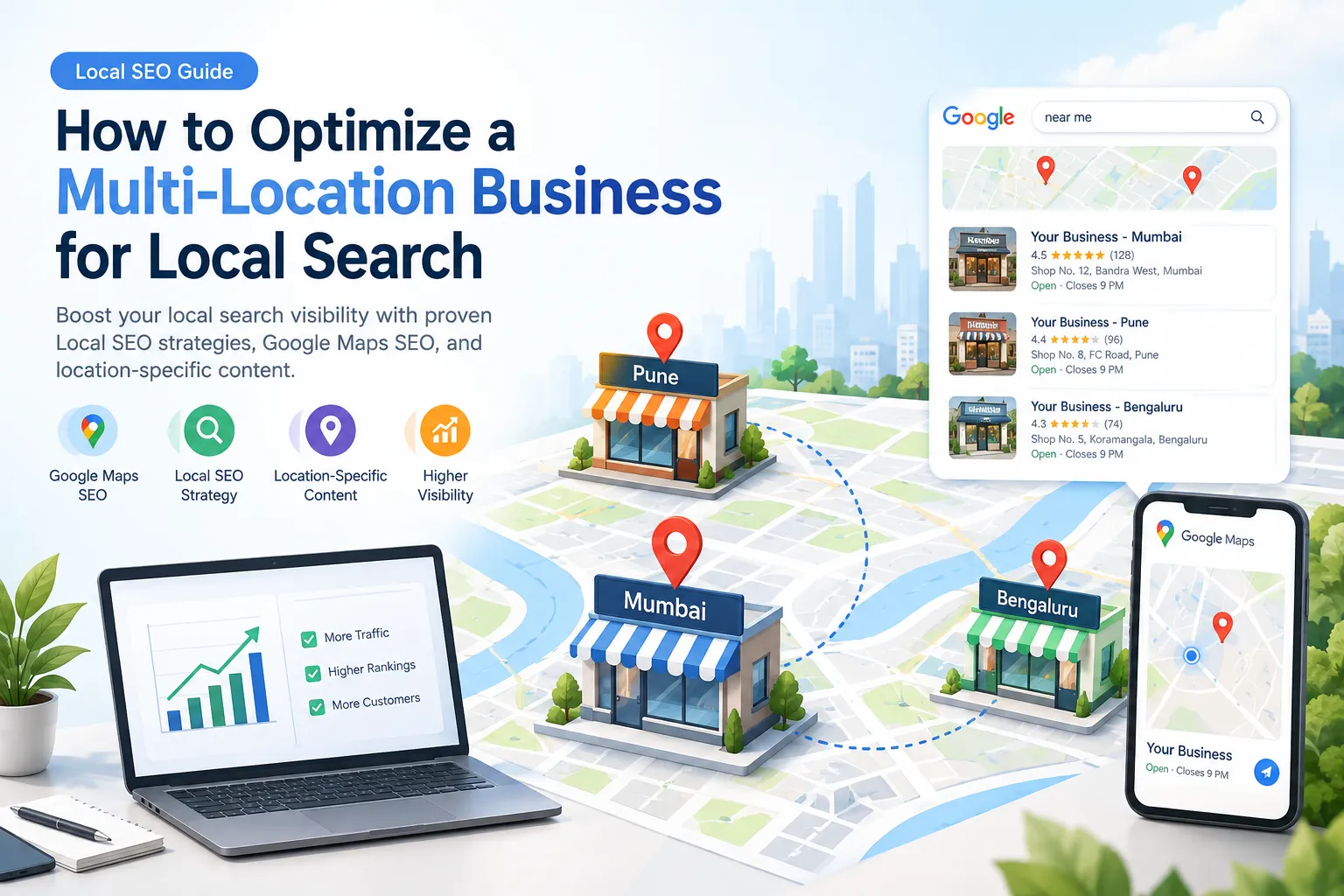
2. Build Location-Specific Landing Pages That Actually Contain Useful Content
Generic location pages city name dropped into a template dozens of times produce minimal SEO value and zero trust. Location-specific pages that address the actual business environment in that market, reference relevant local context, and demonstrate genuine familiarity with the area perform considerably better, as the best lead generation services for local seo would agree, in both rankings and conversion.
3. Create Content That Answers the Questions Buyers Ask Before Contacting Anyone
Most purchase decisions begin with research the vendor never sees. Understanding what potential clients search for before they've identified specific vendors "how to evaluate managed IT providers" or "what does CMMC certification actually require" and building authoritative content around those questions positions your brand as the credible source they discover, according to a digital marketing company in the USA.
4. Build Topic Clusters Instead of Isolated Blog Posts
A single article about ransomware protection is a page. A comprehensive topic cluster covering ransomware prevention, ransomware response planning, email security, backup strategies, insurance requirements, and specific industry considerations is topical authority. Search engines evaluate expertise at the cluster level, and comprehensive coverage consistently outranks isolated content on the same subjects.
5. Use Case Studies as SEO Content, Not Just Sales Material
Case studies serve double duty when structured correctly; they demonstrate credibility for visitors evaluating vendors while targeting the outcome-specific search terms potential clients use when researching solutions. "How a San Diego law firm reduced IT incidents by 60%" ranks for specific searches while converting the visitors it attracts better than almost any other content type.
6. Implement Technical SEO as Non-Negotiable Infrastructure
Slow load times, crawlability issues, duplicate content, broken internal links, and poor mobile experience all limit how effectively content performs regardless of quality. Core Web Vitals, proper site architecture, clean URL structures, and comprehensive schema markup are the technical foundation that determines whether content investment translates into rankings or underperforms relative to its quality. This is going to require collaboration between b2b lead generation services and ppc management services as well.
7. Develop Comparison Content That Caters to Evaluation-Stage Buyers
Buyers comparing alternatives your business versus competitors, one approach versus another are among the highest-intent visitors in any search funnel. Content that honestly addresses these comparisons, presents your specific differentiators, and provides the information evaluation-stage buyers are actively seeking converts at higher rates than general awareness content while often being underserved by competitors unwilling to engage with competitive comparisons directly.
8. Build Internal Linking Architecture That Distributes Authority Strategically
Internal links distribute page authority across your site and guide visitors through a logical content journey. Service pages linking to relevant case studies, blog posts linking back to relevant service pages, and cluster content linking to pillar resources all strengthen the topical authority signals that improve ranking performance while keeping visitors on the site longer and moving toward conversion.
9. Address the buyer journey
The business owner who first finds you through an educational blog post about cybersecurity threats needs different content than the same person three weeks later comparing managed IT providers. Building content that serves each stage awareness, consideration, and decision creates multiple entry points while keeping the same prospect engaged through a journey that ends with a contact form submission rather than a competitor's phone number.
10. Measure What Actually Connects to Revenue, Not What Looks Good in Reports
Organic session volume and keyword rankings are useful indicators but poor success metrics for SEO lead generation. The measurement framework that drives real improvement tracks organic traffic to contact form submissions, organic traffic by buyer intent stage, lead quality from organic versus paid sources, and ultimately organic-attributed closed revenue.
Each of these fifteen strategies produces results in isolation. The businesses generating consistent, high-quality client flow from organic search are the ones implementing them as a coordinated system where topic clusters support technical SEO, which supports local visibility, includes SEO lead generation services, which supports conversion, which supports the case study content that then supports the link acquisition that strengthens the whole structure.
That system-level thinking is the difference between SEO that generates leads as a reliable business development channel and SEO that generates reports full of traffic statistics while the contact form waits.
For businesses evaluating their current investment in SEO lead generation services, the diagnostic question is straightforward: which of the fifteen strategies above are actually in place, coordinated, and being measured against lead quality rather than just traffic volume? The gap between that answer and a complete implementation is the gap between the current organic lead volume and what it should be producing.


























Sign in to leave a comment.