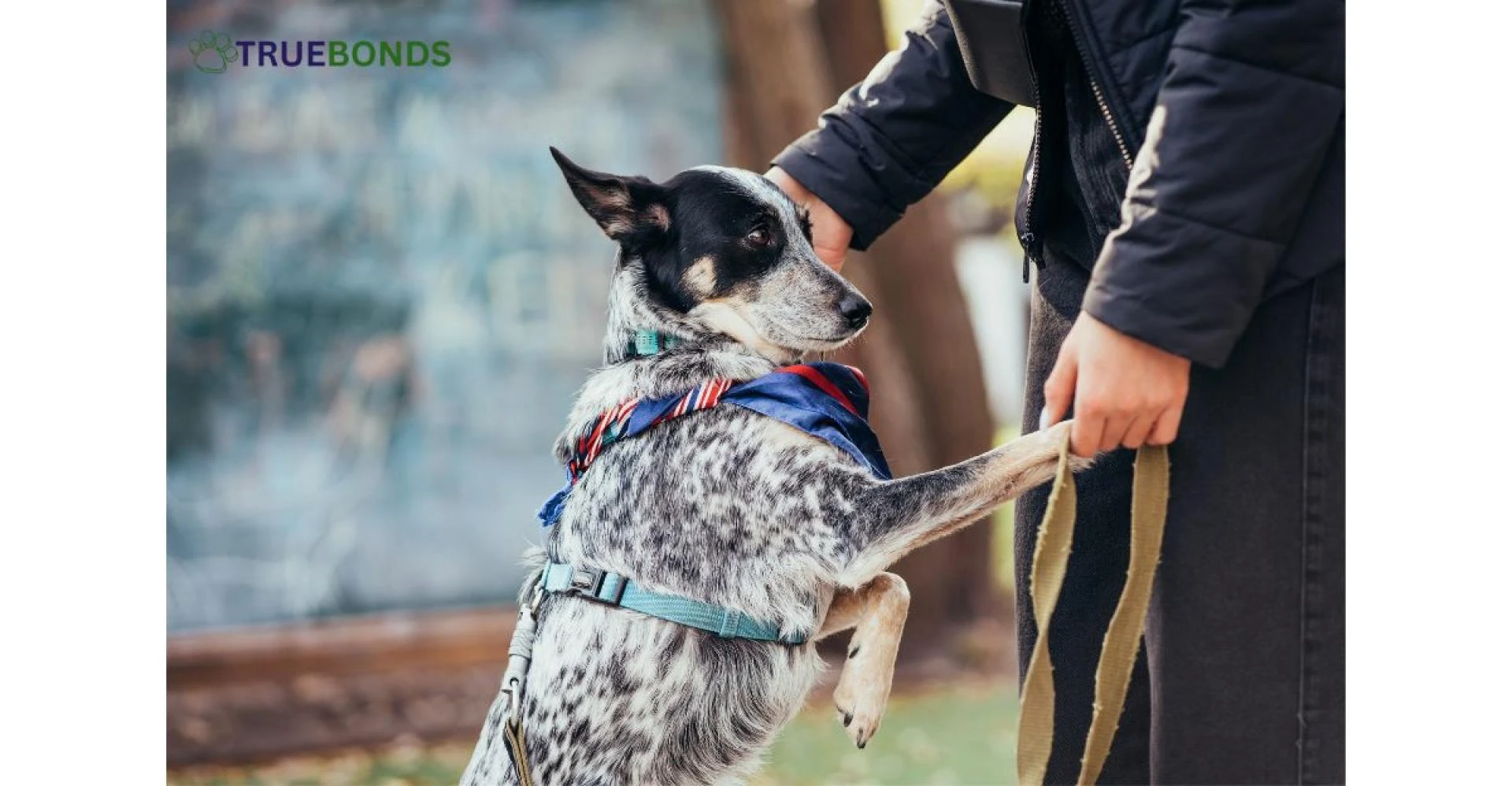

For individuals living with disabilities, a trained service dog can be life-changing. These dogs are not just pets—they are working animals trained to assist with everything from guiding the visually impaired to alerting individuals with epilepsy or supporting those with PTSD. However, the cost of a fully trained service dog can be overwhelming, often ranging from $15,000 to $30,000.
If you're wondering how to get a service dog for free, this guide walks you through everything you need to know—from eligibility and application to finding legitimate organizations. With patience, research, and the right support, it's possible to obtain a service dog at no cost.
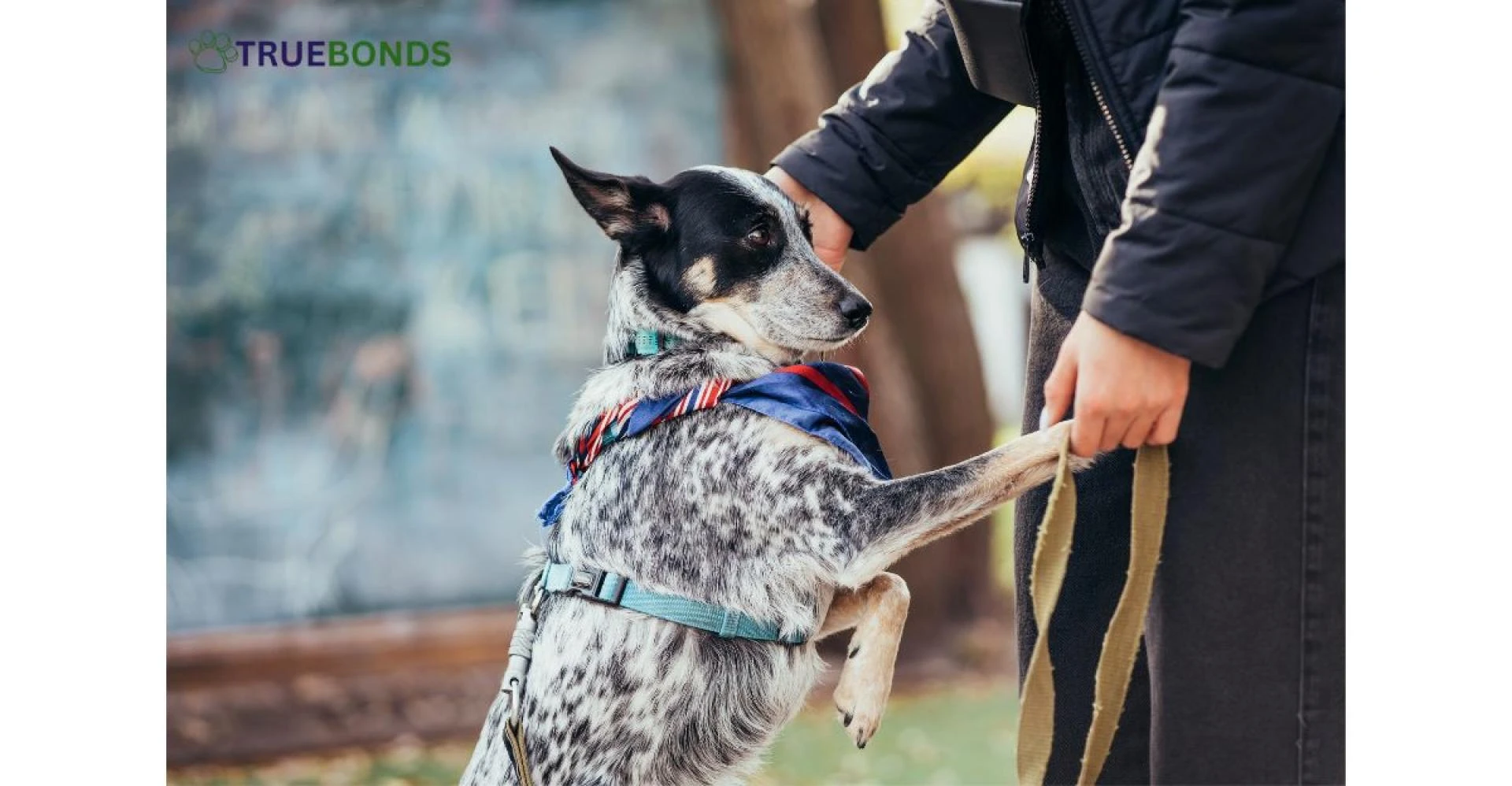
What Is a Service Dog?
Under ADA regulations, a service dog is a specially trained animal that assists a person with a disability by performing specific tasks. These dogs can:
- Retrieve dropped items
- Alert their owner to sounds (for hearing impairments)
- Provide deep pressure therapy for anxiety
- Guide individuals with visual impairments
- Detect seizures or changes in blood sugar levels
Importantly, emotional support animals (ESAs) and therapy dogs are not the same as service dogs. They do not qualify for the same legal protections unless specifically trained to perform tasks related to a disability.
Who Qualifies for a Free Service Dog?
To qualify, you must have a documented disability that impairs one or more major life functions. Common qualifying conditions include:
- Autism spectrum disorders
- PTSD (especially veterans)
- Epilepsy
- Severe anxiety or depression
- Physical impairments requiring mobility support
- Vision or hearing loss
- Diabetes
Most organizations require medical documentation and a willingness to actively participate in training and ongoing care.
How to Get a Service Dog for Free
While it takes time and commitment, getting a free service dog is possible through non-profit organizations that offer trained dogs at no charge to qualified individuals.
1. Research Non-Profit Organizations
Start with reputable groups that provide free service dogs. These include:
- Canine Companions – Assistance dogs for people with mobility, hearing, and psychiatric disabilities
- K9s For Warriors – Service dogs for veterans with PTSD
- 4 Paws for Ability – Specializes in service dogs for children and adults with unique needs
- Paws With A Cause – Custom-trained service dogs for various disabilities
These organizations raise funds through donations and grants so that eligible individuals don’t have to pay.
2. Submit a Service Dog Application
Each organization will require a detailed application. You’ll likely need:
- A personal statement explaining your disability and how a dog will help
- A letter from your physician or therapist
- References from non-family members
- Information about your living environment and lifestyle
Make sure your responses are clear, honest, and focused on the tasks you need the dog to perform.
3. Go Through an Interview and Evaluation
You may be interviewed by phone, video call, or in person. Some programs conduct home visits to ensure you can provide a safe, stable environment for the dog.
4. Wait for a Match and Attend Training
After approval, the wait time can range from 6 months to 2 years, depending on availability and need. Once matched, you may be asked to attend a handler training program at the organization’s facility, typically lasting 1–3 weeks.
Ongoing Costs and Care
Although the dog may be free, you’ll still be responsible for its daily needs. This includes:
- Food and supplements
- Routine vet visits
- Grooming
- Equipment like leashes and bowls
🐶 To keep your dog in top health, a customized dog food subscription can save time and ensure optimal nutrition tailored to your service dog’s breed and energy levels.
For peace of mind, especially in public spaces or during travel, consider using a GPS dog tracker to monitor your dog’s location in real time.
Alternative Options If You Don’t Qualify
If you don’t meet the eligibility criteria for a free service dog, there are still options:
- Train your own dog with the help of a professional trainer (this is legal under ADA guidelines but requires commitment)
- Apply for grants or financial aid through organizations like the United Way or Red Basket
- Start a fundraiser through platforms like GoFundMe to raise money for a trained dog
Always ensure the training follows ADA-compliant methods if the dog will perform tasks in public.
Avoiding Scams
Unfortunately, the high demand for service animals has given rise to online scams and fake certifications. Beware of:
- Sites offering “instant certification” or ID cards
- Groups demanding large fees upfront with no clear process
- Sellers pushing untrained dogs as “fully certified”
Legitimate programs will never promise immediate results or request unreasonable fees.
Final Thoughts
Understanding how to get a service dog for free is the first step toward gaining more independence, emotional support, and safety. Whether you're living with PTSD, mobility limitations, or a developmental disorder, a trained service dog can significantly improve your quality of life.
While the journey may take time, your persistence can lead to a lifelong partnership filled with trust and mutual support. Be thorough, stay informed, and don’t hesitate to reach out to multiple organizations for guidance.
Frequently Asked Question
Q: Is a service dog the same as an emotional support animal?
No. Only service dogs trained to perform tasks related to a disability are protected under ADA regulations.
Q: Can children receive a service dog for free?
Yes. Many organizations provide service dogs to children with autism, epilepsy, and other disabilities.
Q: How long does the process take?
Typically between 12 and 24 months, depending on the organization and your specific needs.







Sign in to leave a comment.