
In Indian culture, the cow is more than just a domesticated animal—it is a symbol of sustenance, reverence, and sustainability. From ancient scriptures to rural economies, the cow has played an irreplaceable role in shaping India’s social, agricultural, and spiritual identity.
Today, as we face global challenges like climate change, unsustainable agriculture, and rising healthcare costs, the age-old wisdom of cow-centric living is regaining its importance. At the forefront of this revival is the Shree Krishnayan Sewa Foundation, which actively promotes awareness around the benefits of cows, especially India’s indigenous breeds.
The Cow in Indian Culture and Religion
In Hindu tradition, the cow is revered as “Gau Mata”, or the mother. This isn’t merely symbolic—cows have historically provided for Indian households in multiple ways, akin to a caregiver. Ancient texts like the Vedas speak of the cow as the giver of strength, nourishment, and purity.
Major festivals such as Gopashtami and Makar Sankranti include rituals dedicated to honoring the cow. This reverence stems from practical, cultural, and spiritual roots—understanding the cow not only as a source of material value but as a sentient being worthy of respect and protection.
Nutritional and Medicinal Benefits of Cow Products
Desi cow milk (from Indian breeds) is recognized for its A2 protein, which is easier to digest and believed to support heart and brain health. Unlike milk from hybrid or foreign breeds that often contains A1 protein (linked to inflammation and allergies), A2 milk is well-suited for people of all ages.
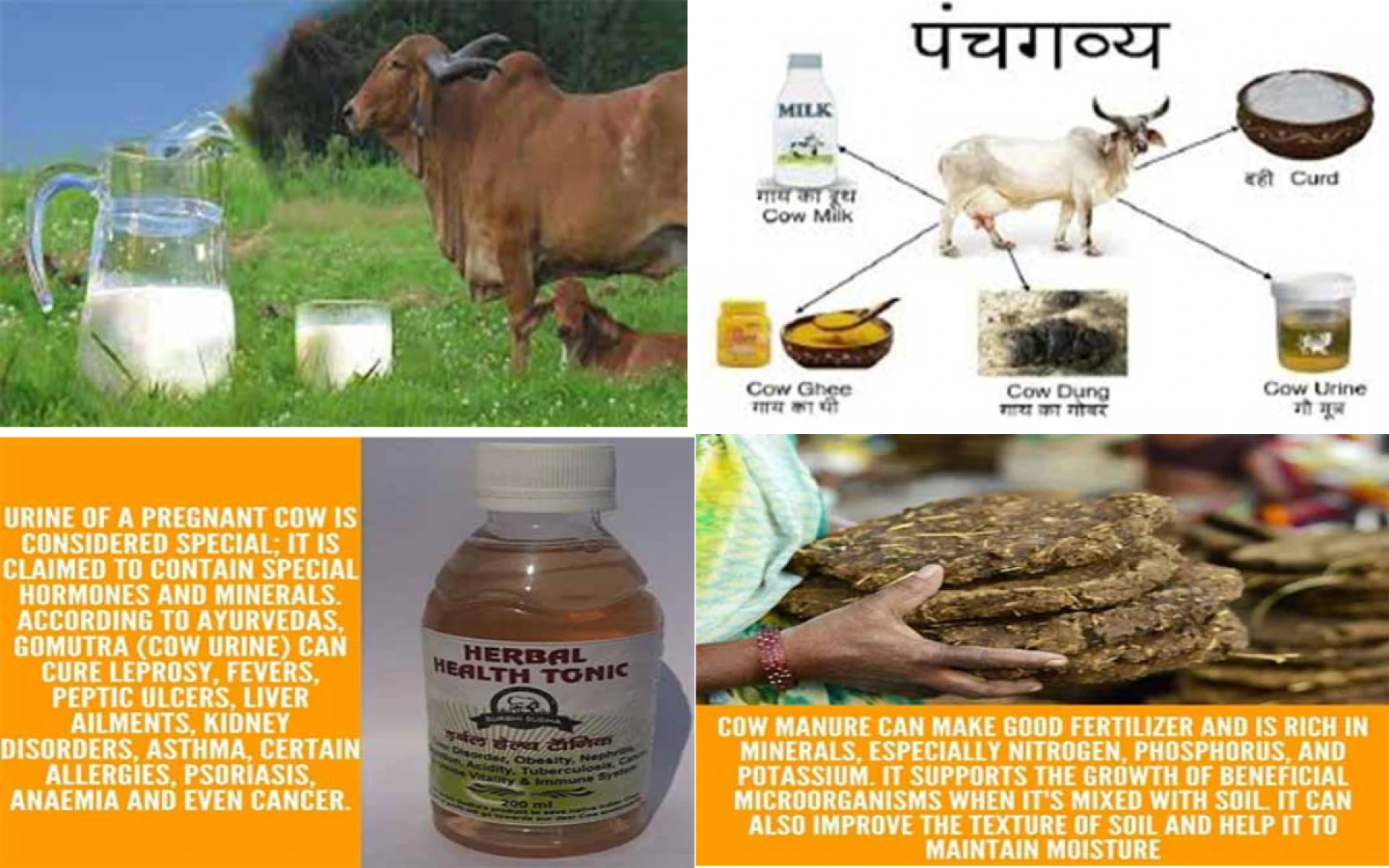
Beyond milk, Panchgavya—a blend of five cow-derived substances (milk, curd, ghee, urine, and dung)—is widely used in Ayurvedic treatments and spiritual rituals. Studies and traditional knowledge attribute numerous benefits to these elements:
- Cow ghee aids in digestion, boosts memory, and lubricates joints.
- Cow urine has shown antimicrobial properties and is used in alternative healing systems.
- Cow dung is a powerful disinfectant and is used in eco-friendly cleaning, farming, and energy production.
These traditional practices are now being revalidated by modern science, giving rise to cow-based wellness products such as soaps, shampoos, medicines, and floor cleaners—all organic and chemical-free.
Role in Sustainable Agriculture
The cow plays a crucial role in natural and organic farming. Cow dung and urine are essential ingredients in biofertilizers and pest repellents, reducing the need for harmful chemical inputs. Practices like Jeevamrut and Beejamrut—used in zero-budget natural farming—are centered on cow products.
This not only improves soil fertility and microbial activity but also ensures healthier crops and a toxin-free food chain. Indigenous cows require less feed and are more disease-resistant, making them ideal for Indian climates and small-scale farming systems.
The revival of cow-based agriculture is being championed by many organic farmers and institutions as a way to build climate-resilient, self-reliant rural communities.
Environmental Contributions
Cows contribute to the environment in surprising ways:
- Dung-based biogas plants generate clean cooking fuel.
- Cow-dung ash can be used in water filtration.
- Cow-based manure restores soil health and reduces dependence on synthetic fertilizers that degrade land and pollute water sources.
By promoting cow-centered village economies, we can work towards reducing carbon emissions, preserving biodiversity, and building circular, low-waste ecosystems.
Economic and Social Impact
Cow protection and Gaushalas (cow shelters) like those supported by Shree Krishnayan offer employment, vocational training, and economic resilience. Cow-based micro-enterprises produce value-added products like incense sticks, natural soaps, dhoop, and organic fertilizers—creating livelihood opportunities for rural women and farmers.
These models are not just about charity or conservation—they are about empowering people through self-reliance, entrepreneurship, and ethical practices.
A Living Tradition at Risk
Despite their importance, Desi cow populations are declining, and native breeds are being lost due to mechanization and modernization. The switch to foreign breeds for higher milk yield has led to increased veterinary issues, environmental burden, and a loss of traditional wisdom.
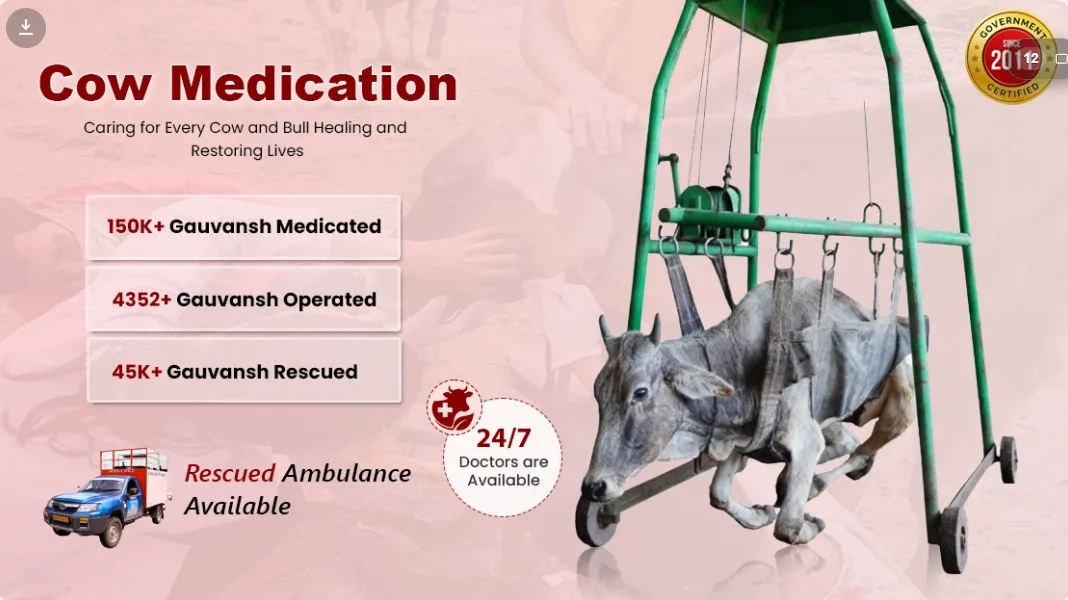
Organizations like Shree Krishnayan Sewa Foundation are working tirelessly to reverse this trend by spreading awareness, rescuing abandoned cows, promoting cow-based products, and educating communities about sustainable living.
To understand more about the scientific, cultural, and ecological benefits of the cow, visit https://www.krishnayan.com/benefits-of-cow.htm
Conclusion: Reviving a Cow-Centric Way of Life
The cow is not just a part of India’s past—it is vital to its sustainable future. In an age of climate anxiety, health issues, and disconnection from nature, the humble cow offers answers rooted in balance, compassion, and resilience.
By supporting cow welfare, indigenous breeds, and cow-based economies, we are not just preserving animals—we are protecting our health, our farmers, our environment, and our culture.
The work of Shree Krishnayan inspires us to see the cow not as a relic of tradition, but as a bridge to a healthier, more conscious way of life.




























Sign in to leave a comment.