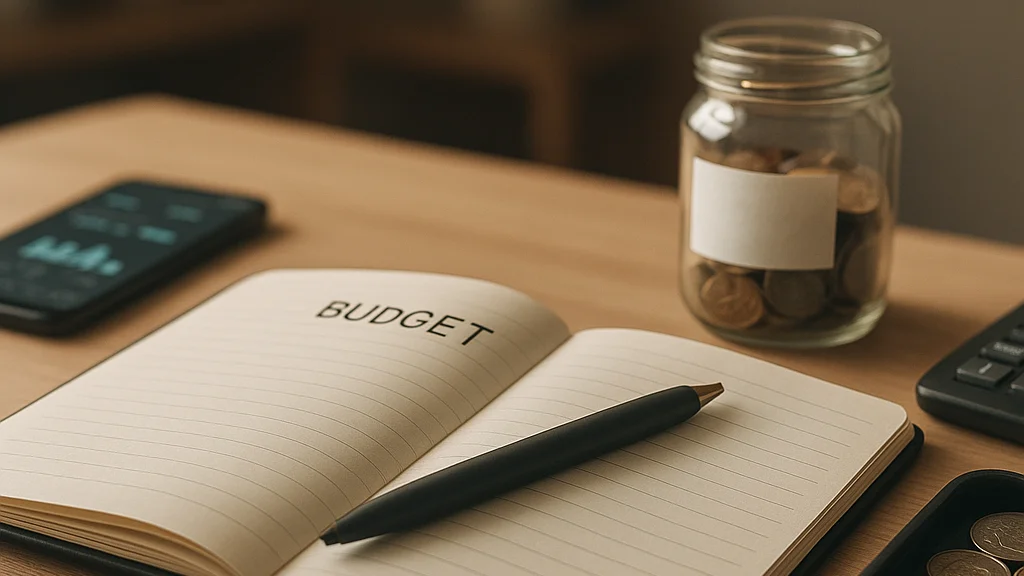

A budget is not punishment, it is a map
Walk through any busy market in Lagos, from Balogun to Mile 12, and you will see budgeting in its rawest form. A tomato seller knows exactly how much stock she can buy before dawn, how much transport will cost, what spoilage may eat into profit, and what must return home in cash by evening. She may not call it a spreadsheet, but it is budgeting all the same. That is the first truth many people miss. Budgeting is not a fancy app, it is not a shame-filled exercise, and it is not reserved for accountants. It is simply the habit of telling your money where to go before confusion tells it for you.
That matters more in 2026 than many households expected. Food prices remain a central pressure point across many economies, energy costs still affect transport and small business margins, and digital spending has become dangerously invisible. A card tap here, a transfer there, a subscription you forgot, and suddenly your salary behaves like morning dew. According to guidance covered by MSN on creating a budget, the starting point is not complexity but clarity: know your income, track your expenses, choose a method, then adjust. Simple, yes, but not always easy.
For beginners, the biggest mistake is assuming budgeting begins with restriction. It begins with observation. Before you cut anything, you need to know what is happening. Before you save aggressively, you need to know what is leaking. And before you chase an investment or side hustle, you need enough control over your existing cash flow to avoid building ambition on top of disorder. As I often tell people, when the basket is torn, pouring in more grain does not solve the problem.
A working budget is less about saying no to life, and more about saying yes to your real priorities.
If you have struggled with starts and stops, you are not alone. Many people create a budget once, abandon it after two weeks, then conclude they are “bad with money.” That conclusion is usually false. The real issue is that they used a method that did not fit their income pattern, family pressure, debt load, or spending triggers. A practical guide like this WriteUpCafe budgeting resource can help reinforce the basics, but the deeper work is personal. Your budget must reflect your life, not somebody else’s template from social media.
Start with the numbers you can defend
The first step in budgeting is not downloading software. It is building a financial picture that is accurate enough to be useful. That means calculating your monthly income after deductions, then listing expenses based on what you actually spend, not what you wish you spent. Salaried workers can begin with net pay. Freelancers, small traders, creators, ride-hailing drivers, and commission-based workers need a different approach, because income swings. For them, a conservative baseline is wiser: budget around your lower-average month, not your best month.
Break expenses into fixed and variable categories. Fixed costs include rent, school fees, loan repayments, internet, insurance, and subscriptions. Variable costs include food, transport, airtime, fuel, data, eating out, personal care, gifts, and impulse purchases. Then add irregular but predictable costs, the category many people ignore. These include annual dues, medical checkups, family ceremonies, children’s birthdays, religious giving, car repairs, and festive season spending. A goat that will grow horns does not do so in one day. Financial pressure often builds quietly in these irregular expenses.
Tracking should cover at least 30 days, though 60 to 90 days gives a better picture. According to Yahoo Finance’s budgeting guidance, spending awareness is one of the most effective early habits for new budgeters because it closes the gap between assumption and reality. People routinely underestimate food delivery, convenience spending, and digital micro-payments.
- Income: salary, freelance earnings, business profit, side hustle cash flow, support payments
- Fixed expenses: rent, debt payments, tuition, subscriptions, utilities
- Variable expenses: groceries, transport, airtime, meals out, personal care
- Irregular expenses: maintenance, ceremonies, travel, medical bills, school events
- Savings and investing: emergency fund, retirement, cooperative contributions, business capital
One practical rule helps here: every expense must have a home. If you leave categories vague, overspending hides in the shadows. “Miscellaneous” is where discipline goes to die. Better to be specific, even if the truth stings a little. If you spend heavily on streaming, beauty products, football bets, delivery fees, or weekend outings, write it plainly. A budget cannot heal what denial protects.
For readers who want a companion piece after this, this related WriteUpCafe article usefully emphasizes practical systems over motivational slogans. That is the right spirit. Budgeting works when the numbers are honest enough to guide decisions.
Choose a method that matches your income and temperament
There is no universal budgeting method, and that is good news. The best budget is the one you will keep using when life becomes noisy. Some people do well with the 50/30/20 framework, where needs, wants, and savings are separated into broad percentages. Others need a zero-based budget, where every naira, dollar, or pound is assigned a job before the month begins. For irregular earners, a priority-based system often works better: cover essentials first, build a buffer second, then allocate to flexible spending and long-term goals only after the basics are secured.
Popular methods are useful, but they should not be treated like scripture. According to Nasdaq’s report on budgeting advice to avoid, rigid formulas can backfire when they ignore real-life cost structures. A city renter with high transport costs, a single parent with childcare bills, or a young worker supporting relatives may not fit clean percentage rules. That does not mean budgeting has failed. It means the method must bend to reality.
Business Insider made a similar point in its discussion of classic budgeting advice that can mislead people. Some common tips sound smart but fall apart under pressure, especially if they oversimplify debt strategy, emergency savings, or discretionary spending. A budget should create stability, not guilt. If your system makes you feel defeated every week, it is too brittle.
- Zero-based budgeting: best for detail-oriented people who want close control over every category.
- 50/30/20 style budgeting: useful for beginners who need a broad structure, though local costs may require adjustment.
- Envelope or cash-category budgeting: effective for people who overspend digitally and need visible limits.
- Priority budgeting: ideal for freelancers and entrepreneurs with uneven income.
- Hybrid budgeting: combine automation for essentials and savings with manual tracking for problem categories.
In Lagos, where side hustles often sit beside salary income, hybrid budgeting is especially practical. You can automate rent savings, debt payments, and emergency contributions, then manually manage food, transport, and entertainment. This preserves discipline while leaving room for the realities of traffic, fuel changes, family obligations, and the occasional surprise that arrives dressed like urgency.
If your budget works only in a perfect month, it does not work. A real budget must survive delayed payments, family requests, and your own weak moments.
Another useful principle is to budget by purpose, not by mood. Separate survival, stability, growth, and enjoyment. Survival covers food, housing, transport, and utilities. Stability covers debt reduction and emergency savings. Growth includes education, tools, business capital, and investing. Enjoyment covers leisure and lifestyle spending. Once these buckets are clear, your choices become easier, because every spending decision reveals what it is crowding out.
The hidden leaks that ruin most beginner budgets
Most budgets do not collapse because of one dramatic mistake. They collapse because of repeated small leaks that feel harmless in isolation. Auto-renewing subscriptions, convenience fees, frequent ride-hailing, food delivery, social spending, impulse online purchases, and cash withdrawals with no record can quietly consume a meaningful share of income. The danger is not just the money lost, it is the false confidence created when these expenses remain invisible.
One of the most common traps is budgeting only for bills and pretending discretionary spending will “sort itself out.” It rarely does. If you do not assign a limit to flexible categories, emotion will do the assigning. Stress spending after a hard day, “soft life” purchases to keep up appearances, and celebratory spending after a good week can all become patterns. In Nigerian cities, social pressure is a budget item whether we admit it or not. Weddings, naming ceremonies, birthdays, aso ebi, contributions for office events, and family support requests can be both culturally meaningful and financially destabilizing.
That is why category-level visibility matters. If you are planning a major event, for instance, wedding budgeting advice can teach a broader lesson about cost discipline. Even a niche piece like AOL’s wedding budget tips reinforces a truth that applies beyond ceremonies: define your non-negotiables early, compare vendors carefully, and avoid emotional overspending disguised as necessity.
- Digital leakage: subscriptions, app purchases, data top-ups, transfer fees
- Convenience spending: deliveries, ride-hailing, prepared meals, premium shortcuts
- Social leakage: outings, gifting pressure, ceremonies, workplace collections
- Cash blindness: ATM withdrawals and cash spending with no category tracking
- Optimism bias: assuming next month will be cheaper without changing behavior
There is also the problem of unrealistic cuts. People often slash food, transport, or family support on paper, then overspend because the plan was never believable. Better to reduce gradually and strategically. If food is high, try meal planning, bulk buying, fewer convenience purchases, and a fixed weekly cap. If transport is high, cluster errands, compare routes, or work remotely when possible. If airtime and data are high, review bundles and usage patterns. Small adjustments sustained over six months beat dramatic cuts abandoned after six days.
As the proverb says, little by little, the bird builds its nest. Budgeting rewards consistency more than intensity.
How budgeting changed in 2026
The budgeting conversation in 2026 is different from what it was a few years ago, because spending itself has changed. More people now hold multiple income streams, from salaried work to freelancing, content creation, online retail, consulting, and platform-based gigs. That makes traditional monthly budgeting less straightforward. Many households are no longer managing one paycheck and a stable bill cycle. They are managing staggered payments, digital wallets, transfer-heavy transactions, and side hustle revenue that may rise sharply one month and dip the next.
Recent financial coverage has also pushed back against one-size-fits-all advice. The stronger message in 2025 and 2026 has been adaptability. Yahoo Finance, MSN, Nasdaq, and Business Insider all, in different ways, point to the same conclusion: budgeting is most effective when it reflects actual behavior, current prices, and changing obligations. That sounds obvious, yet many people still use old figures for new realities. If your rent changed, your transport costs rose, your child started school, or your business tool subscriptions increased, your budget must be rebuilt, not merely encouraged.
Another shift is the role of automation. Automatic transfers into savings, sinking funds, and bill accounts are now central to many successful budgets. This is especially useful for workers who know that if money sits too long in the main account, temptation begins to speak sweetly. Automation reduces decision fatigue. It also protects progress from mood swings. A budget that depends entirely on willpower is like building during rainy season without checking the roof.
At the same time, there is growing awareness that pure app dependence can create a false sense of control. If you sync accounts but never review categories, the software becomes decoration. The strongest 2026 budgeting habits combine technology with weekly human review. Ten to fifteen minutes every week can catch overspending before it hardens into a monthly disaster.
For readers thinking beyond the basics, this WriteUpCafe piece on maximizing savings connects budgeting to a broader wealth-building strategy. That link matters. Budgeting is not the finish line, it is the runway. Once you know your numbers, you can save with intention, price debt properly, and fund side hustles from surplus instead of desperation.
Build a beginner budget that survives real life
A practical starter budget needs three things: a baseline, buffers, and review points. Begin by calculating your minimum monthly survival cost, the amount required to keep housing, food, transport, utilities, and essential obligations covered. This number is your anchor. Next, create sinking funds for predictable non-monthly costs. If school expenses hit once a term, divide the annual or term amount into monthly contributions. Do the same for insurance, maintenance, travel, festive spending, and planned events. This is how you stop “surprises” from behaving like ambushes.
Then build a small emergency buffer before chasing aggressive investing. Personal finance headlines often celebrate returns, but a beginner with no cash reserve is one unexpected bill away from debt. Even a modest starter buffer can reduce panic. If your income is unstable, aim first for one month of essential expenses, then extend gradually. If your income is stable, automate a fixed percentage or amount immediately after payday.
- List your net monthly income, using a conservative average if earnings fluctuate.
- Calculate your essential monthly expenses first.
- Create sinking funds for irregular but predictable costs.
- Set a weekly spending cap for flexible categories like food, transport, and leisure.
- Automate savings and critical bill payments where possible.
- Review every seven days, then adjust before the month runs away.
Weekly reviews are where many budgets become durable. Do not wait until month-end to discover the damage. Check category balances, upcoming obligations, and any unusual spending. If transport is already too high by the second week, reduce elsewhere immediately. If your side hustle brought in more than expected, split the extra intentionally, perhaps between debt, savings, and business reinvestment. Money without assignment tends to disappear into applause and appetite.
One more point deserves emphasis: include joy in your budget. Not extravagance, joy. A small entertainment line, a meal out, a cinema plan, or a modest personal treat can make a budget sustainable. The goal is not to live like a machine. It is to spend consciously enough that enjoyment does not become regret. Even in the thick of the Lagos hustle, people need room to breathe. The wise person plans for that breath instead of pretending it is unnecessary.
A sustainable budget makes room for discipline and dignity at the same time.
From budgeting to financial momentum
The true power of budgeting appears after the first few months, when the habit starts producing options. You notice patterns faster. You recover from shocks with less drama. You stop asking, “Where did the money go?” and begin asking, “What should this money do next?” That is a profound shift. It moves you from reaction to direction.
Once your budget is stable, the next stage is using it to create momentum. That may mean paying off expensive debt faster, building an emergency fund, funding professional training, buying equipment for a side hustle, or setting aside capital for a small business. In a city like Lagos, where opportunity often favors the prepared, budgeting can be the quiet discipline behind visible progress. The photographer who upgrades equipment, the baker who buys in bulk, the fashion vendor who secures stock before prices rise, all benefit from cash flow awareness more than many outsiders realize.
You can also use your budget as a decision filter. Before accepting a loan, changing apartments, buying a car, or starting a side hustle, test the impact on your monthly numbers. Can your essentials still stand? Do you have a margin for setbacks? What happens if income dips for two months? This kind of pre-commitment analysis is not pessimism, it is maturity. Nollywood often gives us dramatic scenes where one big decision changes everything overnight. Real finance is less cinematic. It is built in ledgers, routines, and repeated choices.
There will be months when the budget bends. Family needs may rise. Income may disappoint. Inflation may bite harder than expected. That does not mean failure. It means revision. The strongest budgeters are not those who never miss. They are those who return to the plan quickly, learn from the miss, and keep moving. When the rain beats one child and not the other, the lesson is not fairness, it is preparation.
If you are starting now, begin small but begin honestly. Track for 30 days. Categorize without excuses. Choose a method that fits your life. Automate what matters. Review weekly. Protect yourself from the leaks. Then give the process time. Budgeting is not magic, but it is one of the few financial habits that improves almost every other money decision you will make.
That is why getting started matters. Not because budgets are fashionable, but because clarity is profitable. And once your money starts behaving with purpose, your goals stop looking like distant wishes and start looking like plans.
























Sign in to leave a comment.