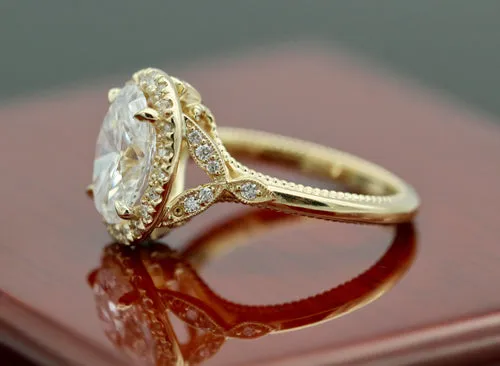

Gold and silver items often sit unused for years, but they hold real value. When the time comes to sell, getting the best price becomes the main objective. A lot of people rush into the whole deal without really knowing how it goes, and leading to smaller offers plus some missed opportunities.
If you know a couple of basic steps, then you negotiate better and decide in a more thoughtful way. Whether you have old coins, broken pieces or unwanted valuables, the preparation makes a large difference. Working with dependable gold and silver buyers and taking time to understand what your items are worth helps you come out with a stronger return on what you put in.
Understand the Value of Your Precious Metals
Before selling, you should take time to learn what you own. Gold and silver prices change based on market conditions, purity levels and overall total demand.
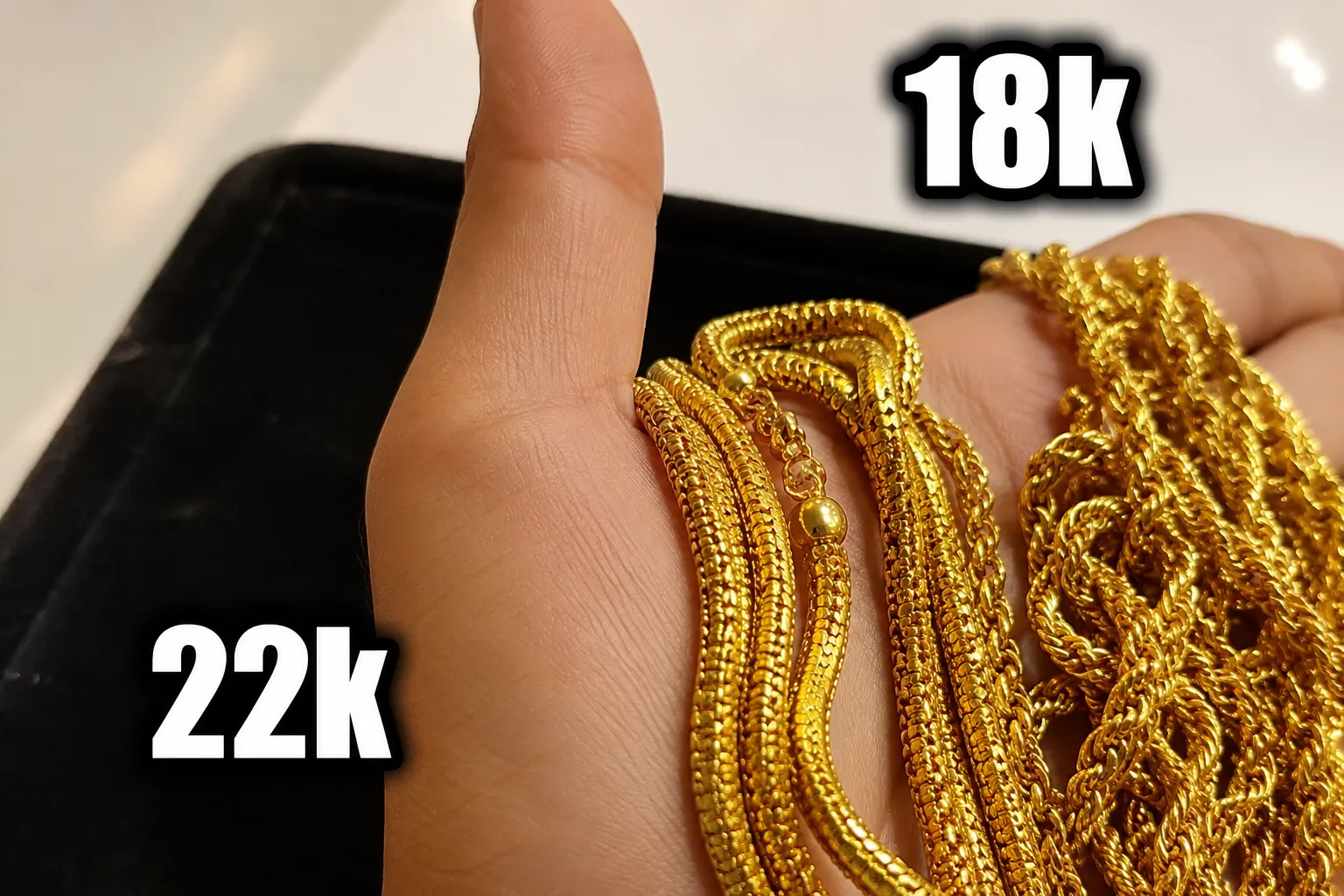
Check for markings indicating purity. The stamps often reveal important details about the metal content. Understanding the basics helps you compare offers more confidently and prevent accepting a price falling below market value.
Researching current precious metal prices also gives you a stronger position during negotiations.
Separate Valuable Items Before Selling
Many sellers place everything into one group and request a single offer. This approach often reduces the amount received.
Sort your items by type, weight, and condition. Coins, collectible pieces and unique designs hold value beyond their metal content.
Taking the time to organize your valuables allows buyers to check them more precisely. It also helps you understand which pieces deserve individual attention rather than being sold as scrap.
Keep Documentation Whenever Possible
Receipts, certificates, and appraisal records help determine the value of your items. While not every piece comes with paperwork, any available documentation helps establish authenticity and quality.
Buyers often appreciate additional information because it simplifies checking. Even older records provide useful details influencing an offer.
When you keep proper documentation in place, it creates transparency, and it also builds confidence through the whole selling process.
Compare Multiple Offers
The easiest way to maximize profits is by seeking more than one quote. Different buyers use very different checking methods and pricing structures.
Getting several offers helps you spot fair market value and also helps you not accept the first proposal without comparison.
Gold and silver buyers may change in how they check purity, demand and resale potential. Checking a lot of options gives you a clearer picture of what your items are truly worth.
Pay Attention to Weight and Purity
Weight plays a major role in determining value. Precious metals are usually priced by weight and also by the purity level.
When you understand the measurements a bit, then you can check if an offer actually matches the real worth of your items.
Ask questions if any part of the checking seems unclear. A transparent explanation often indicates a more professional buying experience.
Consider Selling Unused Jewelry
Old pieces hold valuable metals even if they do not suit your taste anymore.
A lot of people change unwanted jewelry for cash rather than just keeping it unused in storage. Rings, bracelets, necklaces and other items generate a worthwhile return when checked correctly.
Selling pieces you do not wear anymore not only brings in extra money, but it also helps you put resources to use having basically lost their value.
Choose the Right Time to Sell
Market prices for gold and silver change regularly. Monitoring trends allows you to spot favorable selling periods.
While predicting the market perfectly is difficult, knowing the information about current rates helps you make smarter decisions. Selling during stronger market conditions often leads to higher offers and increased total returns.
Patience sometimes becomes one of the most valuable tools in the selling process.
Prepare Your Items Before Evaluation
Presentation matters more than many sellers realize. Clean and organized items are easy to check and assess.
Do not use harsh cleaning methods damaging delicate surfaces. Instead, gently remove dust and store items safely before checking.
A well-prepared collection helps create a more smooth transaction and allows buyers to check each piece productively.
Conclusion
Getting the best price for precious metals requires preparation, research and patience. Understanding purity, monitoring market prices, organizing valuables and comparing offers all contribute to better outcomes. The little steps before selling turn into larger financial advantages later.
Staying informed and also asking the correct questions so you are not rushed or pressured during the process. When you work with gold and silver buyers, having a thoughtful method helps you pull more value out of what you have, and it also makes sure you end up with a fair return for your precious metal items.



























Sign in to leave a comment.