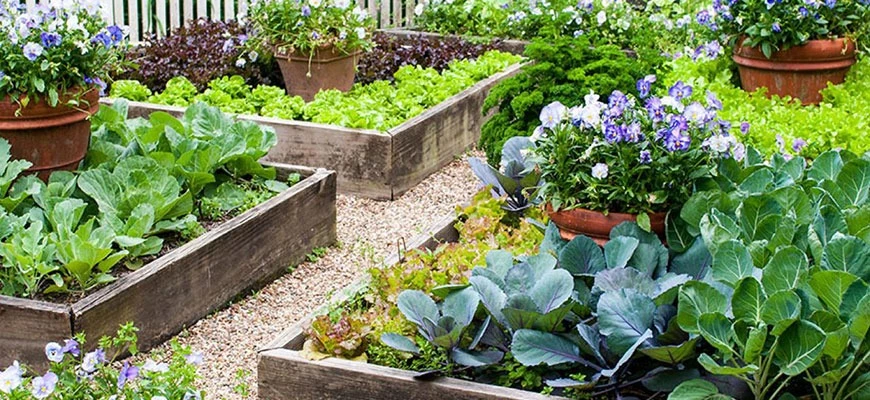
Picture this: It’s a warm evening, and you’re in your backyard, surrounded by the scent of fresh basil and ripe tomatoes. You pluck a handful of cherry tomatoes, a few sprigs of oregano, and a green bell pepper from your garden. These ingredients will be piled onto a pizza, bubbling in the oven in just a little while. This isn’t just a dream—you can create with your raised vegetable garden.
Why a Raised Bed is Perfect for a Pizza Garden
A raised vegetable garden is like a blank canvas for your pizza garden. It gives you control over the soil, which means you can create the perfect growing environment for your plants. Plus, raised beds are easier to manage, as there is no need to bend over, you deal with fewer weeds, and you do not struggle with poor soil.
Choosing Your Pizza Garden Stars
The first step is deciding what to grow. Think about your favorite pizza toppings. Do you love a classic Margherita with tomatoes and basil? Or maybe you’re all about loaded pizzas with peppers, onions, and herbs. Here’s a list of pizza garden must-haves:
Tomatoes
Tomatoes are the heart of any pizza garden. Choose a variety like Roma or San Marzano for making sauce, or go for cherry tomatoes if you love sweet, juicy toppings.
Basil
Fresh basil is amazing. Its bright, peppery flavor is the perfect finishing touch for any pizza. Plus, it’s easy to grow and smells amazing.
Peppers
Peppers, ranging from sweet bell peppers to spicy jalapeños, add color and crunch to your pizza. They’re also fun to grow and look beautiful in the garden.
Onions
Onions are a pizza staple. You can grow green onions for a mild flavor or bulb onions for a stronger kick. Either way, they’re a must-have.
Oregano and Thyme
These herbs are the secret to a flavorful pizza sauce. They’re low-maintenance and can be harvested all season long.
Garlic
Garlic is the flavor powerhouse of your pizza garden. Plant it in the fall or early spring, and you’ll have fresh garlic to roast or mince for your pizzas.
Designing Your Garden
Now comes the fun part, designing your pizza garden. A 4x4-foot raised garden is a great size to start with. Here’s how to arrange your plants for maximum growth:
● Back of the Bed: Plant your tomatoes here. They’ll grow tall, so give them space to stretch out. Support them with stakes or a trellis as they grow.
● Middle of the Bed: Add your peppers and onions. These plants grow to a medium height and won’t block sunlight from the smaller herbs.
● Front of the Bed: Plant your basil, oregano, thyme, and garlic here. These herbs stay compact and are easy to reach for frequent harvesting.
Planting and Caring for Your Pizza Garden
Once your layout is ready, it’s time to get your hands dirty. Start by filling your garden with a mix of topsoil and compost. This creates a rich, fluffy soil that your plants will love.
Plant your tomatoes, peppers, and onions first, spacing them according to the instructions on their seed packets or plant tags. Then, tuck your herbs and garlic into the front of the bed. Water everything thoroughly after planting to help the roots settle in.
Here are a few tips to keep your pizza garden thriving:
● Feed Your Plants: Pizza garden plants are hungry! Use an organic fertilizer every few weeks to keep them growing strong.
● Prune and Support: Trim off any dead or yellow leaves from your tomatoes and peppers. Use stakes or cages to keep them upright.
Harvesting Your Pizza Garden
The best part of growing a pizza garden is harvesting your ingredients. Here’s how to pick them:
● Tomatoes: Wait until they’re fully ripe and slightly soft to the touch. They’ll be sweet and perfect for sauce or slicing.
● Basil: Pinch off the top leaves as needed. This encourages the plant to grow bushier and produce more leaves.
● Peppers: Harvest them when they reach their full size and color. Green peppers can be picked early or wait until they turn red, yellow, or orange for a sweeter flavor.
● Onions and Garlic: Pull them when the tops start to yellow and fall over. Let them dry in a cool, shady spot before storing.
Herbs: Snip sprigs of oregano and thyme as needed. They’re most flavorful just before the plants flower.











Sign in to leave a comment.