
Introduction
Welcome to your essential guide on handling a plumbing emergency. Every homeowner fears the moment they discover a leak, a burst pipe, or a backed-up toilet. Knowing what to do in these first critical moments can mean the difference between a minor issue and a costly disaster.
Immediate Steps
What to Do the Moment You Notice a Leak
Discovering a leak can be stressful, but quick actions can significantly mitigate damage. The first step is to shut off the main water supply. This prevents further water flow and minimizes damage. Next, assess the severity of the leak; if it's minor, you might manage it temporarily with towels or buckets until help arrives.
Identifying the Source of the Problem
Locating the source of a leak is crucial. Sometimes, it's obvious, like a leaking faucet or toilet. Other times, you might notice water stains on ceilings or walls, indicating hidden leaks. Listen for dripping sounds and look for signs of water damage.
Quick Fixes Until Help Arrives
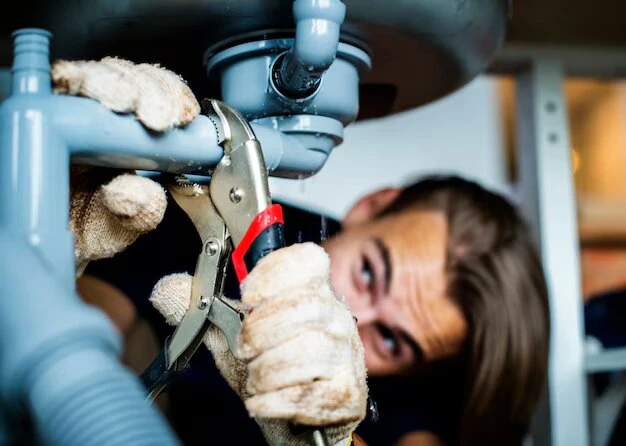
While waiting for professional help, you can attempt some temporary fixes. Using plumbing tape to seal minor leaks or tightening connections can be effective. Remember, these are temporary solutions until a professional plumber can provide a permanent fix.
Professional Help
When to Call a Professional Plumber
Some plumbing issues require professional attention. Significant leaks, burst pipes, and sewage backups are cases where you need to call a plumber immediately. Delaying can lead to more extensive damage and higher repair costs.
How to Select a Qualified Plumber
Choosing the right plumber is crucial. Look for licensed, insured, and well-reviewed professionals. Recommendations from friends or family can also be invaluable. Ensure they have experience with emergency plumbing services.
Understanding What You Can Fix Yourself
Some minor plumbing repairs, like replacing a worn washer or clearing a simple clog with a plunger, can be DIY projects. However, understanding your limits is essential. Complex issues, particularly those involving main water lines or sewage, should be left to professionals.
Prevention Tips
Preventing Future Plumbing Emergencies
Prevention is better than cure, especially with plumbing. Regular inspections and maintenance can help catch issues before they escalate into emergencies. Also, know the location of your main water shut-off valve and inspect your home for signs of leaks regularly.
Importance of Regular Plumbing Maintenance
Scheduled maintenance by a professional can keep your plumbing system running smoothly. This includes clearing drains, inspecting pipes for signs of wear and tear, and replacing old fixtures that could fail and cause leaks.
Essential Tools for Every Homeowner
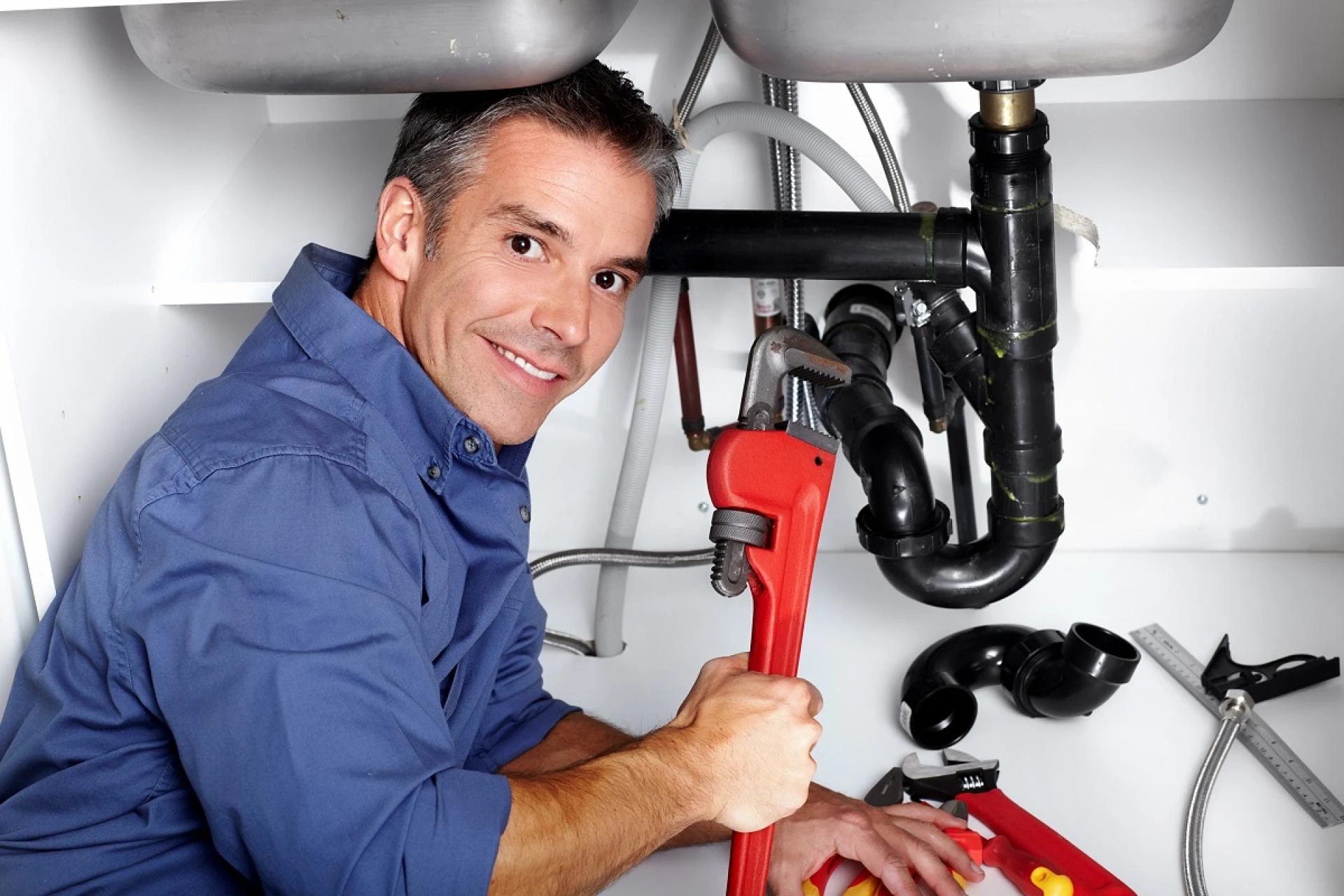
Every homeowner should have basic plumbing tools. These include a plunger, a pipe wrench, and plumbing tape. These tools can help you manage minor issues efficiently and prevent water damage.
Conclusion
Handling a plumbing emergency with calm and efficiency can save you from a lot of trouble and expense. Remember the key steps: act quickly to mitigate damage, identify the problem, and know when to call in the professionals. For professional help and more information, visit Chris West Plumbing.




Sign in to leave a comment.