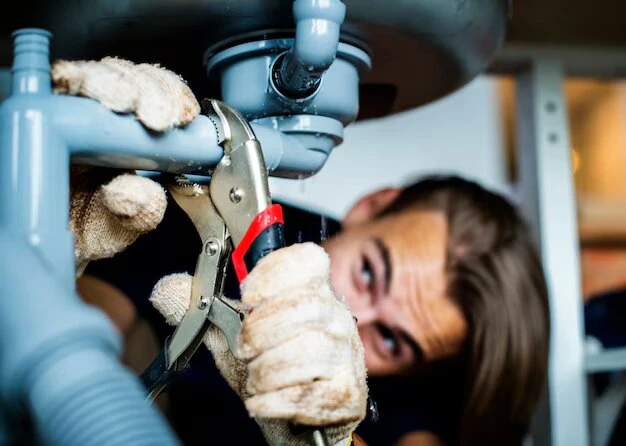

A plumbing emergency can happen at any time. It might be a burst pipe, a clogged toilet, or water flooding your kitchen. In these moments, panic is normal, but quick thinking and calm action can help reduce damage. Knowing how to react before the emergency plumber arrives can make all the difference in saving your home from major issues.
Stay Calm and Act Quickly
The first and most important step is to stay calm. Panicking can delay your response and make the situation worse. Take a deep breath and look around to understand what’s happening. Once you know the problem, you can take the right steps until the emergency plumber gets there.
Shut Off the Water Supply
If water is leaking or flooding, the first thing to do is turn off the water. Look for the main water valve in your home. It is usually found near the water meter, basement, or outside wall. Turn it clockwise to stop the water flow. This can help stop further damage and give you time to wait for the emergency plumber.
For smaller problems like a leaking sink or toilet, you can shut off the valve near that fixture. Every sink and toilet has a small valve below it. Turn it off to stop water just in that area.
Turn Off the Water Heater (If Needed)
If the plumbing issue involves hot water or you notice strange noises coming from your water heater, it’s a good idea to turn it off. This helps avoid more damage or a possible burst from built-up pressure. If your heater runs on gas, turn the gas off too.
Use Towels or Buckets to Control Water
If water is still leaking or dripping, use towels, rags, or buckets to catch it. Try to protect furniture, appliances, and flooring. This won’t stop the leak but can reduce the mess. Place towels at the base of the leak, and use buckets under drips to collect water until the emergency plumber arrives.
Don’t Use Chemical Drain Cleaners
If your emergency is a blocked drain or toilet, avoid using chemical cleaners. These can cause more harm to your pipes, especially if the blockage is deep or if there’s already damage. It’s better to wait for the emergency plumber, who can handle the clog safely with proper tools.
Check for Electrical Hazards
Water and electricity don’t mix. If water is near electrical outlets, wires, or your breaker box, do not touch anything. If safe, switch off the electricity from the main breaker. This will lower the risk of electric shock. Always put safety first and wait for professionals if you're unsure.
Keep the Area Clear
Make sure children and pets are away from the affected area. Keep the space clear for when the emergency plumber arrives. It will help them work faster and safer if there’s room to move around and check the problem.
Know Your Emergency Contacts
Keep the phone number of a trusted emergency plumber saved in your phone or written down in a visible place. The faster you can contact someone, the quicker help will be on the way. Many plumbing companies offer 24/7 services for these types of situations.
Final Thoughts
Plumbing emergencies can be stressful, but knowing what to do while you wait for an emergency plumber can protect your home and give you peace of mind. With simple steps like turning off the water, using towels to control leaks, and staying calm, you can manage the situation. Always remember to call a professional emergency plumber as soon as possible for a proper and safe solution.



























Sign in to leave a comment.