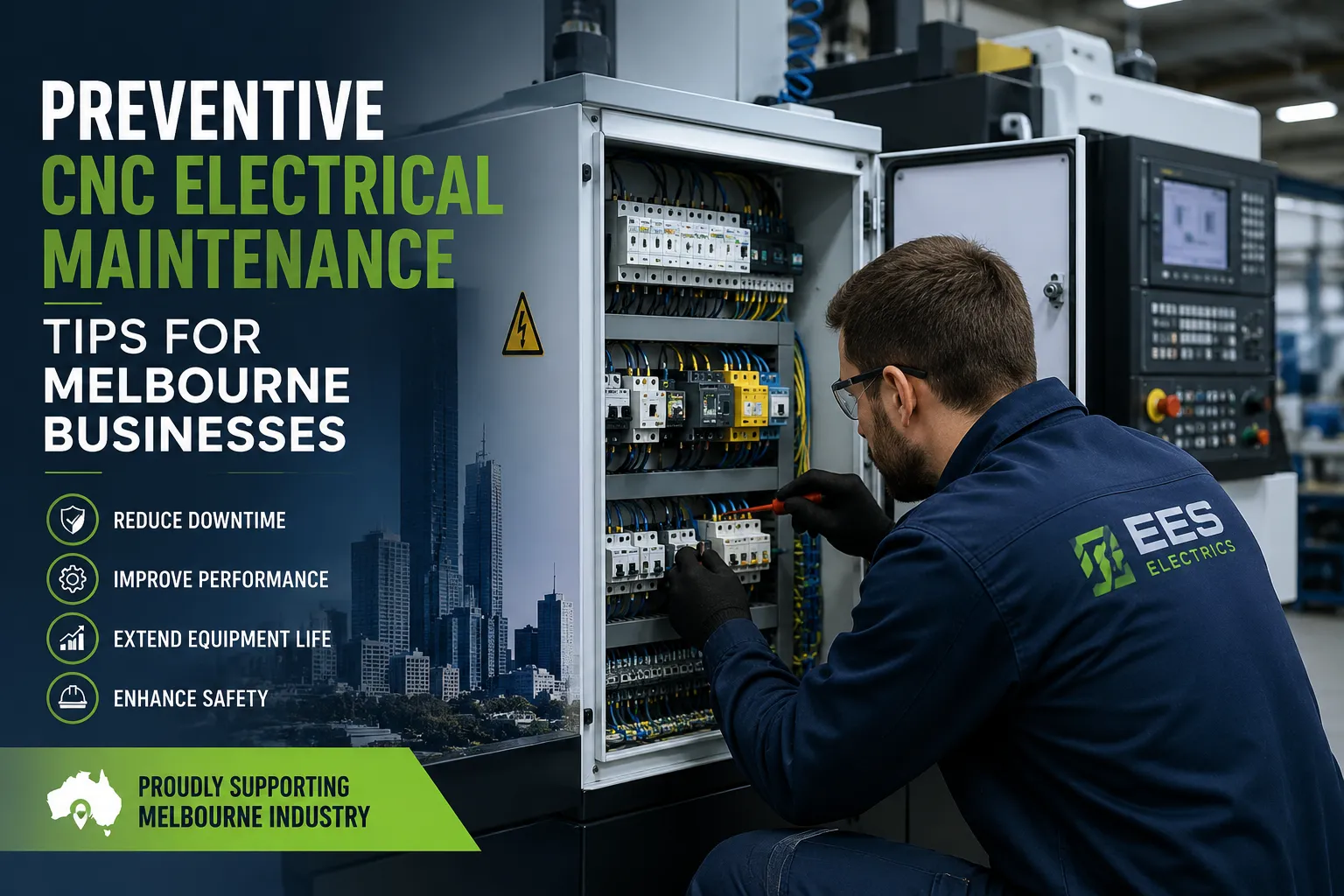

CNC machinery plays a critical role in modern manufacturing and industrial operations across Melbourne. From metal fabrication and automotive production to woodworking and precision engineering, CNC machines help businesses achieve consistent accuracy, efficiency, and productivity. However, without proper electrical maintenance, even advanced CNC equipment can experience breakdowns, production delays, and costly repairs.
Preventive CNC electrical maintenance is essential for keeping machines operating safely and efficiently while reducing unplanned downtime. Melbourne businesses that invest in regular maintenance can improve machine performance, extend equipment lifespan, and avoid expensive disruptions to production schedules.
This guide explores practical preventive CNC electrical maintenance tips that help Melbourne businesses maintain reliable industrial operations.
Why Preventive CNC Electrical Maintenance Matters
CNC machines rely heavily on electrical systems, control panels, sensors, drives, motors, and automated components. Over time, electrical wear and environmental factors can affect system performance.
Preventive maintenance helps businesses:
- Minimise machine downtime
- Improve production efficiency
- Reduce emergency repair costs
- Extend machine lifespan
- Improve workplace safety
- Maintain product quality
- Prevent unexpected electrical failures
For Melbourne manufacturers operating in competitive industries, equipment reliability is critical to maintaining productivity and meeting client deadlines.
Conduct Regular Visual Inspections
One of the simplest but most effective maintenance practices is performing routine visual inspections of CNC electrical components.
What to Check During Inspections
Maintenance teams should regularly inspect:
- Electrical panels
- Wiring connections
- Circuit breakers
- Cooling fans
- Control systems
- Power supply units
- Motor connections
- Emergency stop systems
Signs such as loose wires, burn marks, unusual odours, corrosion, or damaged insulation should never be ignored.
Visual inspections help identify minor issues before they develop into major equipment failures.
Keep Electrical Panels Clean
Dust, debris, and moisture buildup inside electrical cabinets can cause overheating and electrical faults. Melbourne industrial environments often expose CNC machines to contaminants that can affect sensitive components.
Cleaning Best Practices
To maintain clean electrical panels:
- Remove dust regularly using dry compressed air or vacuum systems
- Ensure cabinet doors remain sealed properly
- Prevent moisture accumulation
- Replace damaged filters
- Maintain proper ventilation
Clean electrical systems improve airflow and reduce the risk of overheating and short circuits.
Businesses seeking reliable General Electrical Solutions in Melbourne often include scheduled panel cleaning as part of their preventive maintenance programs.
Monitor Machine Temperature
Excessive heat is one of the leading causes of CNC electrical component failure. Overheating can damage drives, power supplies, motors, and electronic boards.
Common Causes of Overheating
CNC systems may overheat due to:
- Poor ventilation
- Faulty cooling fans
- Dirty filters
- Overloaded electrical systems
- High ambient temperatures
Monitoring temperature levels inside electrical cabinets and around critical components can help prevent expensive breakdowns.
Temperature Management Tips
Businesses should:
- Maintain cooling fans and ventilation systems
- Keep airflow pathways clear
- Install temperature monitoring systems
- Avoid overloading machinery
- Schedule regular thermal inspections
Thermal imaging inspections are especially useful for identifying hidden hot spots before component failure occurs.
Inspect Wiring and Connections
Loose or damaged electrical connections are a common source of CNC machine faults. Vibration from continuous machine operation can gradually weaken terminals and connectors.
Maintenance Recommendations
Technicians should regularly:
- Tighten electrical terminals
- Check cable insulation
- Replace worn wiring
- Inspect connectors for corrosion
- Verify grounding systems
Secure electrical connections help maintain stable power supply and reduce the risk of unexpected shutdowns.
Professional electricians such as EES Electrics Pty Ltd often perform detailed connection testing during preventive CNC maintenance inspections.
Test Emergency Stop Functions
Emergency stop systems are essential for workplace safety and equipment protection. Faulty emergency stop circuits can place operators and machinery at serious risk.
Safety Testing Procedures
Businesses should routinely test:
- Emergency stop buttons
- Safety relays
- Interlock systems
- Safety sensors
- Alarm functions
Any malfunctioning safety device should be repaired immediately to ensure compliance with workplace safety regulations.
Check Servo Motors and Drives
Servo motors and drive systems control CNC machine movement and positioning accuracy. Electrical faults within these systems can affect machining precision and overall performance.
Signs of Servo System Problems
Potential warning signs include:
- Irregular machine movement
- Positioning errors
- Unusual vibrations
- Excessive motor heat
- Fault alarms
Routine testing and calibration help maintain accurate machine operation and reduce wear on components.
Manufacturers relying on advanced Glass Machinery and CNC Support can benefit from regular servo drive inspections to maintain precision performance.
Monitor Power Quality
Inconsistent power supply can damage sensitive CNC electrical components. Voltage fluctuations, surges, and harmonic distortion may reduce machine reliability.
Power Quality Protection Tips
Melbourne businesses can improve power stability by:
- Installing surge protection systems
- Using voltage regulators
- Monitoring electrical load balance
- Inspecting grounding systems
- Conducting power quality analysis
Stable power supply helps protect CNC control systems and improves operational consistency.
Replace Worn Components Before Failure
Waiting for electrical components to fail completely can lead to costly downtime and emergency repairs. Preventive replacement schedules help businesses avoid sudden breakdowns.
Components That Commonly Require Replacement
These may include:
- Cooling fans
- Relays
- Contactors
- Filters
- Capacitors
- Batteries
- Sensors
Manufacturers often provide recommended service intervals for critical components.
Replacing worn parts early reduces the likelihood of major production interruptions.
Maintain Backup Data and CNC Programs
Electrical faults or control system failures can sometimes result in data loss. Losing CNC programs and machine parameters can significantly delay production recovery.
Backup Best Practices
Businesses should regularly back up:
- CNC programs
- Machine parameters
- Control configurations
- Calibration settings
Secure backups help minimise recovery time following electrical failures or system upgrades.
Schedule Professional Preventive Maintenance
While daily inspections can be handled internally, professional preventive maintenance is essential for comprehensive electrical system evaluation.
Benefits of Professional Maintenance Services
Qualified industrial electricians can:
- Perform advanced diagnostics
- Conduct thermal imaging inspections
- Test electrical loads
- Identify hidden faults
- Verify compliance with safety standards
- Optimise machine performance
Professional servicing also helps businesses stay compliant with workplace safety and industrial regulations.
Many Melbourne manufacturers partner with providers offering General Electrical Solutions in Melbourne to ensure CNC machinery remains reliable and production-ready year-round.
Train Staff on Basic Maintenance Awareness
Machine operators are often the first to notice early signs of electrical issues. Proper staff training helps identify potential problems before they escalate.
Important Operator Awareness Areas
Operators should understand how to recognise:
- Unusual machine sounds
- Warning alarms
- Temperature increases
- Irregular machine movement
- Burning smells
- Power fluctuations
Encouraging prompt reporting of abnormalities can help maintenance teams respond quickly and reduce downtime.
Maintain Proper Documentation
Accurate maintenance records are essential for tracking equipment condition and planning future servicing.
Records to Maintain
Businesses should document:
- Inspection dates
- Repairs completed
- Component replacements
- Electrical test results
- Fault history
- Scheduled servicing
Detailed records help identify recurring issues and improve long-term maintenance planning.
Benefits of Preventive CNC Electrical Maintenance
Businesses that invest in preventive maintenance often experience significant operational advantages.
Improved Productivity
Reliable equipment minimises downtime and keeps production schedules on track.
Lower Repair Costs
Early fault detection prevents expensive emergency repairs and component replacement.
Extended Equipment Lifespan
Proper maintenance reduces wear on electrical systems and extends machine service life.
Better Product Quality
Stable machine performance improves machining accuracy and product consistency.
Enhanced Workplace Safety
Well-maintained electrical systems reduce the risk of electrical hazards and workplace accidents.
Conclusion
Preventive CNC electrical maintenance is essential for Melbourne businesses that rely on precision manufacturing and industrial automation. Regular inspections, cleaning, temperature monitoring, wiring checks, and professional servicing all play a vital role in maintaining machine reliability and reducing costly downtime.
By investing in proactive maintenance strategies, businesses can improve productivity, protect valuable equipment, and maintain consistent operational performance. Partnering with experienced specialists like EES Electrics Pty Ltd ensures CNC machinery receives expert care and long-term electrical reliability.
As manufacturing demands continue to grow, preventive maintenance remains one of the smartest investments Melbourne businesses can make to support efficient, safe, and uninterrupted operations.



























Sign in to leave a comment.