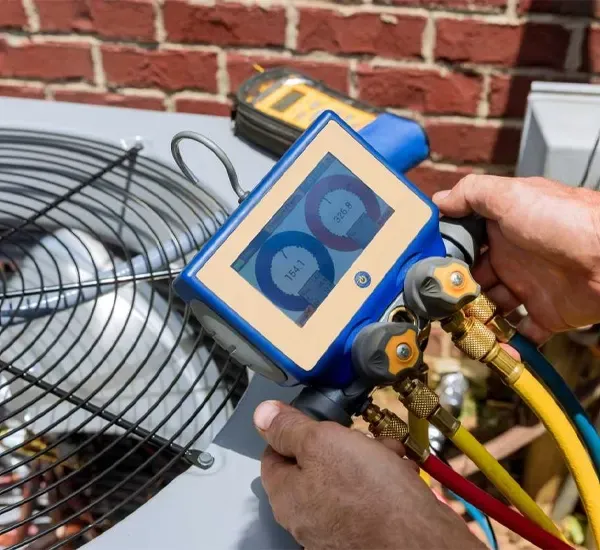

In the coastal climate of Ponte Vedra Beach, your heating and cooling system is the largest consumer of energy in your home or facility. While many property owners focus heavily on the SEER2 efficiency rating printed on the side of a new unit, those ratings only represent a "laboratory" maximum. In reality, the actual energy consumption of your equipment is determined by the quality of its installation.
A professional Commercial HVAC Installation—or a high-end residential installation—is a precision engineering project. When done correctly, it minimizes the work the system must perform to maintain a comfortable environment, directly lowering your monthly utility bills.
1. Precision Sizing: The Foundation of Efficiency
Efficiency begins with the ACCA Manual J Load Calculation. An improperly sized system—either too large or too small—will consume far more energy than the manufacturer's data suggests.
- The Oversizing Trap: Installing a system that is too large for the space leads to "short-cycling." The system blasts air, cools or heats the room in minutes, and turns off. Every startup draws a massive electrical surge, and the system fails to run long enough to pull excess humidity from the air, forcing the compressor to work harder later to compensate for the lingering moisture.
- The Undersizing Trap: A system that is too small will run continuously, trying to reach a setpoint it cannot achieve. This leads to component burnout and sustained high-wattage operation, driving energy consumption through the roof.
2. Air Distribution Integrity: Sealing the "Leaky Pipe"
Even the most expensive, high-SEER2 system will perform poorly if your air distribution network is leaking. In many older buildings, up to 30% of conditioned air is lost to unsealed joints, disconnected ducts in hot attics, or undersized supply plenums.
Professional installation addresses these energy-draining gaps through:
- Duct Static Pressure Testing: Ensuring the airflow resistance matches the blower motor’s optimal operating curve.
- Fiber-Reinforced Mastic Sealing: Applying permanent, airtight seals to every duct seam. Unlike traditional cloth tape, which dries and cracks within a few years, mastic stays flexible and ensures that 100% of the air you pay to cool actually makes it into your living or working space.
3. The Commissioning Phase: Verifying the Energy Data
A system is not truly "installed" until it has been commissioned. This final technical audit is where the installation team verifies that the system is consuming energy exactly as intended.
┌────────────────────────────────────────────────────────┐ │ Commissioning: The Efficiency Audit │ └───────────────────────────┬────────────────────────────┘ │ ┌─────────────────────────┴─────────────────────────┐ ▼ ▼ ┌─────────────────────────────────┐ ┌─────────────────────────────────┐ │ Performance Metrics │ │ Safety & Reliability │ ├─────────────────────────────────┤ ├─────────────────────────────────┤ │ • Temperature split (16°F–20°F) │ │ • Vacuum level <500 microns │ │ • Superheat/Subcooling balance │ │ • Electrical lug torque test │ │ • Airflow static pressure │ │ • Safety float switch check │ └─────────────────────────────────┘ └─────────────────────────────────┘
The most critical step in this process is pulling a deep vacuum. If air or moisture is left inside the refrigerant lineset because the vacuum was rushed, the system's efficiency drops immediately. The compressor will have to fight against "non-condensables," drawing significantly more power to achieve the same amount of heat transfer. Using a digital micron gauge to verify that the system is below 500 microns ensures that your new system is operating at the absolute peak of its design efficiency.
Frequently Asked Questions
Why does "pulling a deep vacuum" relate to energy bills?
If air (non-condensables) and moisture are trapped inside your refrigerant lines, the compressor must work at a higher pressure to push refrigerant through the system. This increases the amperage draw on your electrical panel and significantly raises your energy bills. A proper, verified deep vacuum ensures the system is "pure," allowing the compressor to run at its lowest possible power draw for any given temperature demand.
How does ductwork configuration affect energy consumption?
Think of your HVAC system like a heart and your ducts like blood vessels. If the vessels are narrow (undersized) or leaking (seam failure), the heart (blower motor) must beat significantly faster and harder to circulate the same amount of air. By properly sizing the plenums and sealing every leak, you reduce the "external static pressure," allowing the blower motor to move more air while consuming less electricity.
Can an installation expert help me integrate zoning to save energy?
Yes. Commercial-grade zoning or advanced residential dampers allow you to cool only the rooms that are actually in use. By not wasting energy on empty conference rooms or guest bedrooms, you can reduce your total cooling load by 20% or more, significantly extending the lifespan of your equipment while lowering utility costs.
What is the advantage of using a professional for commercial HVAC installation?
Commercial HVAC systems involve complex multi-zone air handling, rooftop mounting, and integrated building management systems. A professional installation ensures that the complex electrical, drainage, and structural mounting requirements comply with both local building codes and modern energy efficiency standards, preventing the massive power waste associated with poor commercial system integration.
What should I look for in an installation startup report?
Your installation report should be a clear record of the system's "vital signs." It must include the final vacuum level (in microns), the static pressure of your ductwork, the temperature differential across the indoor coil, and the refrigerant subcooling measurements. These numbers are your proof that the installation was performed to the highest technical standard, guaranteeing that the equipment will meet its advertised energy-efficiency rating.






























Sign in to leave a comment.