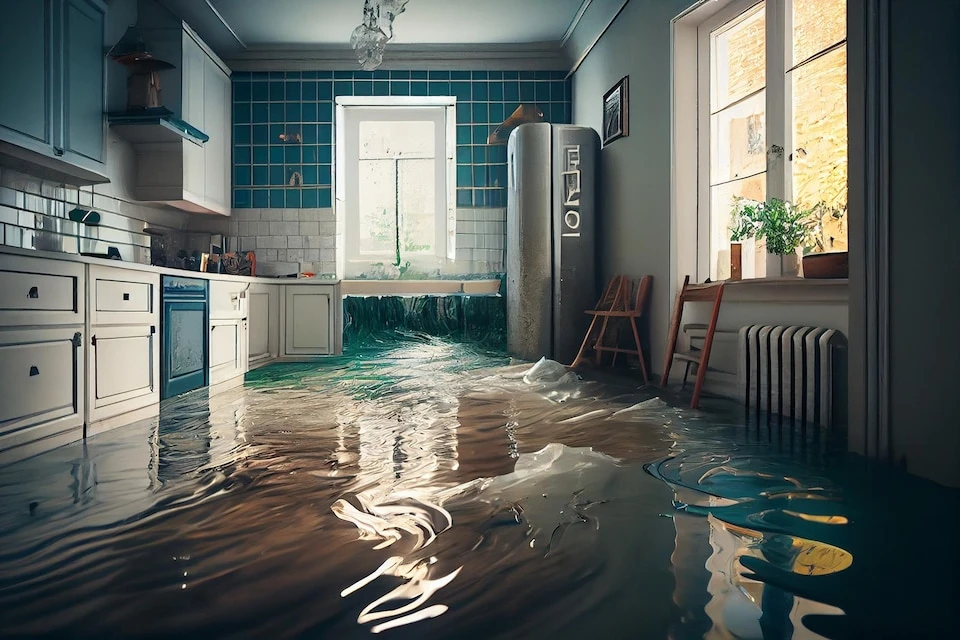
Water damage can occur when it is least expected - a burst pipe, an overflowing washing machine or even a heavy storm. One moment, everything’s fine. Then you have soaked floors and an increasing amount of panic.
But don’t worry. With the right approach and a little bit of calm, you will be able to take charge of the situation and protect your home from further harm. How to effectively respond to water damage.
Stay Safe and Act Fast
Safety always comes first. If there's standing water around outlets or electrical devices, turn off the power in that area - but only if it's safe to do so. Never wade into water when you suspect there are electrical hazards.
If it is okay, go find where the water is coming from and shut it off. That may mean switching off the main water supply to your home if a pipe has burst or plugging a temporary leak if the rainwater is getting in through the roof. Acting quickly helps limit the distance over which the water can spread and/or the amount of damage that can occur.
Take Photos and Keep Records
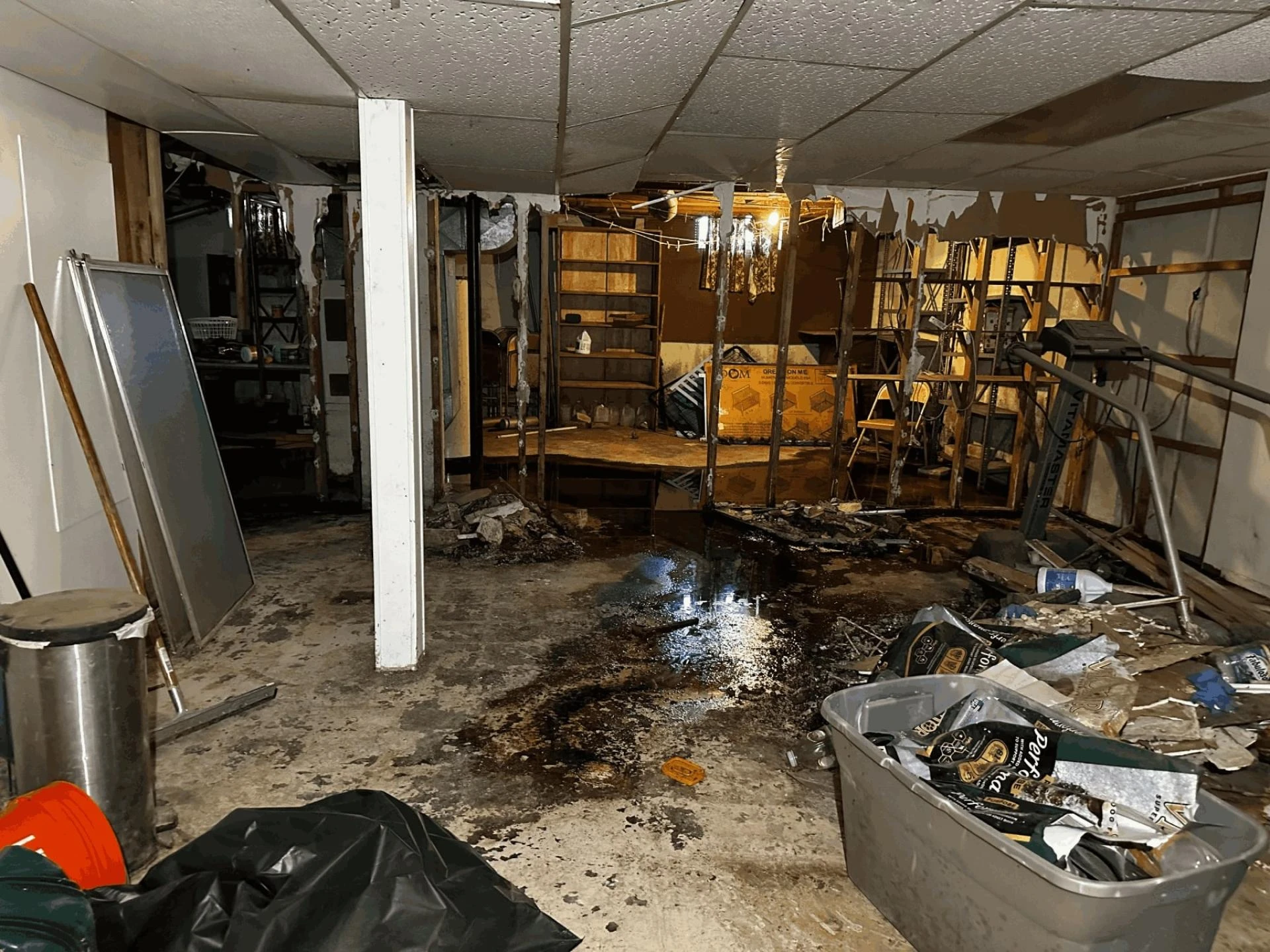
Worse, take out the phone and take lots of photos and videos of the affected areas before the clean up. Take pictures of the floors, walls, furniture and other personal belongings damaged.
This documentation will be of great help if you are filing a claim with your insurance at a later date. Having written, time-stamped proof is a lot easier to explain the extent of the damage.
Remove Water and Moisture
If the amount of water is small, it may be possible to clean it up yourself with towels or a wet/dry vacuum. But if the flooding is more significant — such as several inches deep or covering multiple rooms — it’s time to contact a restoration company for water damage like Lyon Restoration.
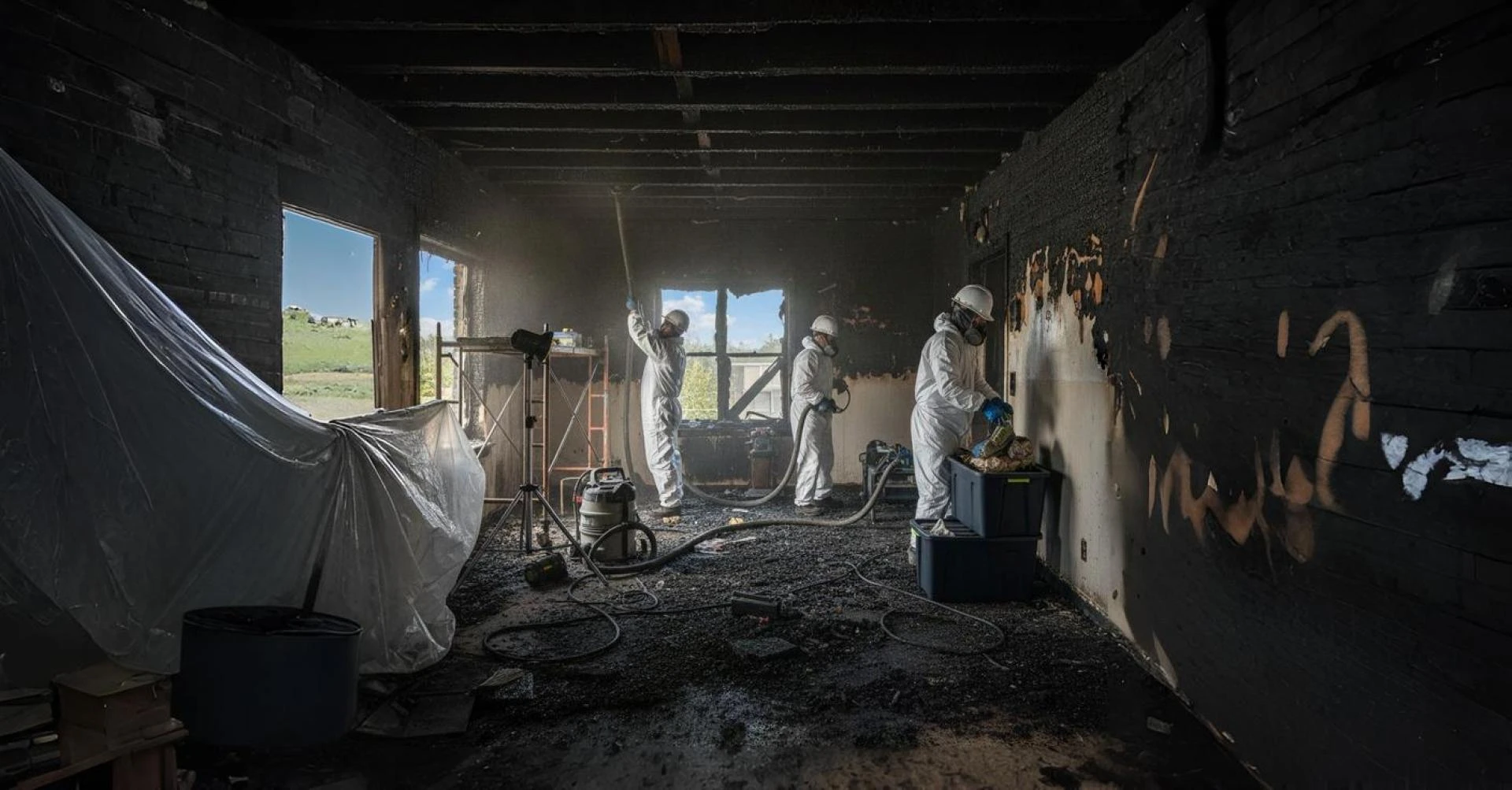
Professional companies have high-quality extraction devices that can help eliminate water much more efficiently than household tools. The sooner that water is eliminated the less likely it is to create any structural problems or mold growth.
Dry Everything Thoroughly
After the surface water has dried the drying process starts. Venting windows, fans and dehumidifiers can help but a lot of time hidden moisture is behind the walls, under the floors and in the insulation.
Experts who handle water damage restoration use advanced moisture meters to locate and eradicate damp spots you might not even know are there; This is an important step because moisture can result in mold in a day or two - and mold can quickly become a much larger (and costlier) problem.
Clean and Disinfect
Regardless of the source of the water damage, if it came from a storm or a plumbing backup, there could be bacteria or foul odor even after they have dried. Use a non-cleaning disinfectant on hard surfaces, such as floors, baseboards and walls.
Carpets, upholstery or other absorbent materials should generally be cleaned by a professional. Restoration teams make use of safe and high-grade solutions to clean and sanitize your home and ensure that it is safe to live in again.
Inspect for Hidden Damage
Water can be sneaky. Warped floors, soft drywall, bubbling paint - these are all indications that the water damage has invaded more than it seems. If the water found its way to the outlets or wiring, it is a good idea to have your electrical systems inspected by a professional.
A professional water damage restoration company can do a full water damage inspection and can make sure nothing is missed. Companies like Lyon Restoration Do this on a regular basis, and try to spot structural and safety problems early, before they become the cause of more expensive repairs.
Prevent Future Water Damage
Once your home is dry and clean again, take a little time to think about prevention. What caused the problem in the first place? A burst pipe? Poor drainage? A roof leak?
Simple preventive steps can make a big difference:
- Inspect pipes and hoses regularly for leaks or cracks.
- Keep gutters clean to avoid overflow during heavy rain.
- Check your roof for missing shingles or weak spots.
- Consider a sump pump if your basement is prone to flooding.
Proactive maintenance not only protects your home but also saves you from the stress and cost of another restoration job down the road.
When to Call for Help
Minor spills or leaks can often be dealt with with prompt action and proper drying, but problems with water that is larger or recurring require professional attention. If the amount of damage is soaking drywall, insulation or flooring, or if the water has been present for more than a few hours, it is best to call the experts.
Professionals like Lyon Restoration have the training, equipment, and experience to deal with the entire recovery process, from water removal and drying to repairs and even working directly with your insurance provider. Their goal is simple though - to restore your property quickly and safely with a minimum of disruption to your life.
Final Thoughts
Dealing with water damage can be stressful, but it doesn't have to be overwhelming. The key to it is to stay calm, act quickly and know when to call for help.
Whether it is a small leak or a full-blown flood, it is always worth it in the long run to take quick action that will save you time, money, and stress. And if you ever need professional support, Lyon Restoration is only a call away - ready to help you to restore not only your home, but your peace of mind.


























Sign in to leave a comment.