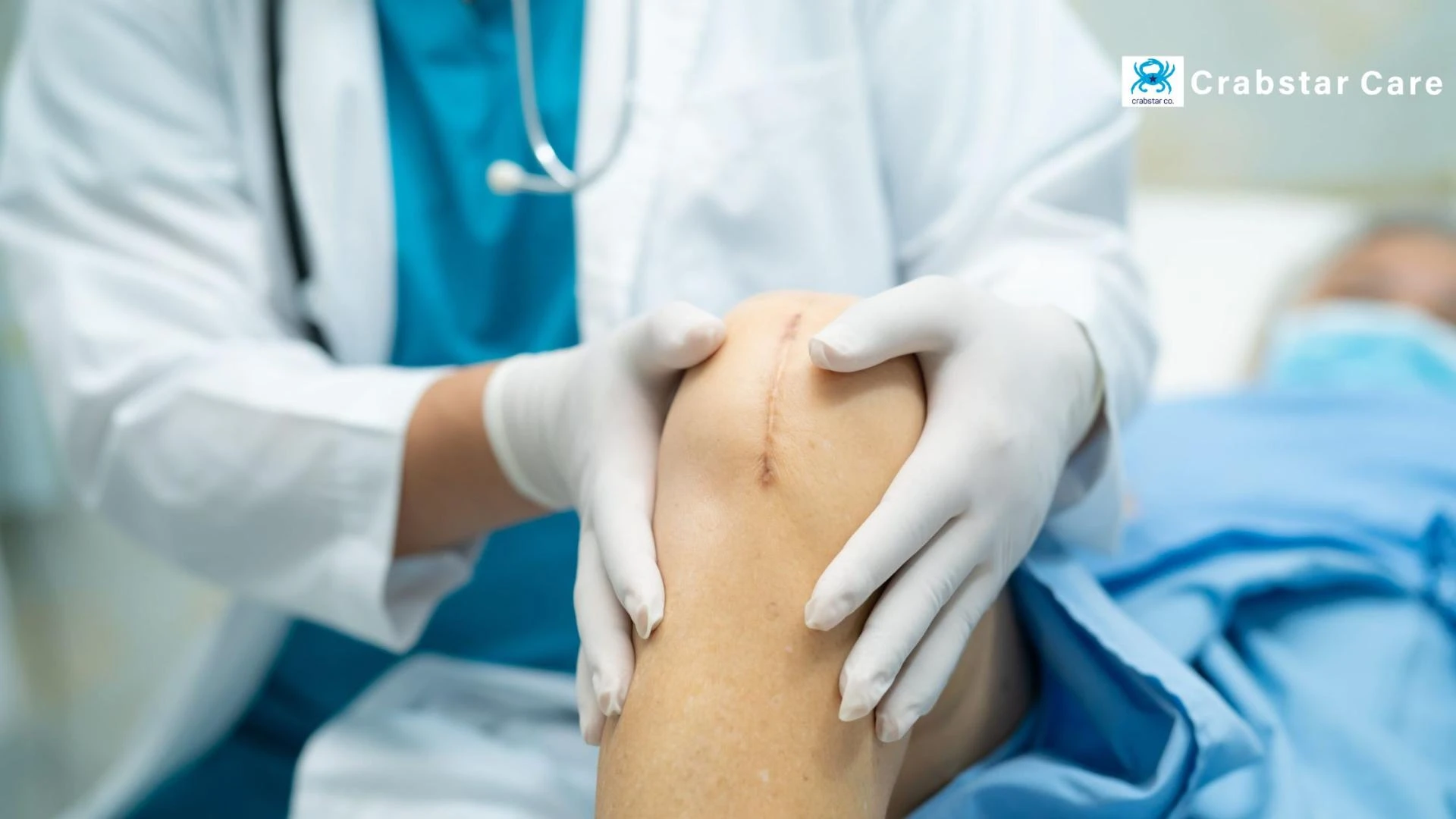

Knee replacement surgery is one of the most commonly performed orthopedic procedures across the world. But the real test doesn’t begin in the operating room — it starts at home. Recovery after a knee replacement is a gradual journey that calls for patience, routine, and skilled aftercare. Without proper post-operative support, even a well-performed surgery can result in limited mobility or long-term discomfort.
That’s where services like Crabstar Care step in — bringing the hospital-quality attention one needs, right to the comfort of home. For people recovering from knee replacement, having the right support system is just as important as the surgery itself.
Why is Post Knee Replacement Care Essential?
Post Knee replacement is often performed to relieve severe arthritis pain or repair joint damage. The artificial joint implanted during the surgery needs time to adjust and integrate with the patient’s body. This is where post-op care becomes vital.
Proper aftercare doesn’t just promote healing — it prevents complications like infections, blood clots, stiffness, or delayed mobility. Without structured care, many patients may find themselves stuck in a cycle of pain and limited function.
Common Challenges Faced After Surgery
Most patients go home just a few days after the surgery. However, they are far from fully recovered at that point. Some of the common issues faced in the weeks following a knee replacement include:
- Swelling and pain in and around the joint
- Limited range of motion and difficulty bending the knee
- Fatigue and weakness due to reduced mobility
- Struggles with everyday tasks such as bathing, climbing stairs, or dressing
- Need for medication management and wound care
These challenges can be overwhelming, especially for older patients or those without a full-time caregiver.
What Does Ideal Aftercare Look Like?
Effective post knee replacement care is structured, consistent, and personalized. Here’s what an ideal care routine generally includes:
- Medication Management – Timely intake of prescribed medicines and pain relievers.
- Wound Monitoring – Keeping the surgical site clean and detecting signs of infection early.
- Physiotherapy – Regular movement and mobility exercises to restore strength and flexibility.
- Assistance with Daily Activities – Helping with bathing, toileting, walking, and dressing.
- Nutritional Support – Ensuring the patient consumes healing-friendly foods and stays hydrated.
- Emotional Encouragement – Recovery can be mentally draining, and compassionate care matters.
Why Home-Based Recovery is Gaining Popularity?
Recovering in a hospital is not only expensive but also uncomfortable for many. Hospitals often lack the privacy and peace required for smooth emotional healing. That’s why more patients and families now prefer home-based post-op care.
At home, individuals tend to sleep better, eat healthier, and feel emotionally safer. However, they still need the clinical support that a hospital would offer. Professional in-home care services bring that balance — ensuring the patient is both comfortable and medically monitored.
How Crabstar Care Makes Recovery Easier?
Crabstar Care is known for its gentle, personalized, and professional approach to post-operative care. For patients recovering from a knee replacement, Joanna and her team offer tailored support that includes:
- Certified caregivers trained in post-op recovery
- Customized physiotherapy assistance at home
- 24/7 monitoring when needed
- Help with hygiene, nutrition, and medication
- Mental wellness support through conversation and companionship
Unlike generic caregiver services, Crabstar Care ensures that the healing process is not rushed, overlooked, or handled without empathy. Every service is planned around the individual — not just the surgery.
Post Knee Replacement Do’s and Don’ts
To make the recovery smoother, here are some essentials Crabstar Care encourages patients and families to follow:
- Do’s
- Use walking aids until advised otherwise
- Elevate the leg when resting to reduce swelling
- Do ankle pumps and gentle stretches regularly
- Keep the wound clean and dry
- Stay in touch with your surgeon for follow-ups
- Don’ts
- Avoid sitting for long periods without moving
- Don’t skip medications or therapy sessions
- Avoid twisting or turning the knee unnecessarily
- Don’t rush into walking without support
- Avoid wearing slippery footwear indoors
Wrapping Up
The journey after a knee replacement can feel long, but with the right care team, it becomes manageable — even empowering. Crabstar Care ensures that patients get more than just assistance; they get peace of mind, confidence, and a faster return to normal life.
So, if you or a loved one are preparing for a knee replacement, don’t wait until discharge to plan the next step. A proper recovery plan is just as important as the operation itself.
Also, explore our personalized hip replacement surgery post operative care services to build your recovery plan with Crabstar Care today.


























Sign in to leave a comment.