

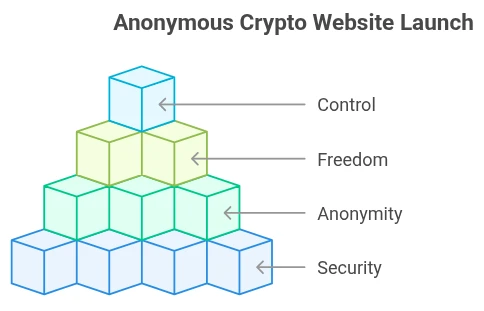
In the evolving digital world, where privacy and decentralisation are increasingly vital, launching a crypto project requires more than just innovation—it demands security, anonymity, and freedom from regulatory overreach. Hosting your crypto website anonymously with Bitcoin has become the ideal route for developers, Web3 founders, and blockchain enthusiasts who wish to protect their identity while maintaining full control of their infrastructure.
This guide will help you understand how to deploy your crypto site securely and privately using offshore Bitcoin hosting, WordPress, Cloudflare DDoS protection, and scalable options from cheap hosting sites.
Why Anonymous Bitcoin Hosting Is Essential
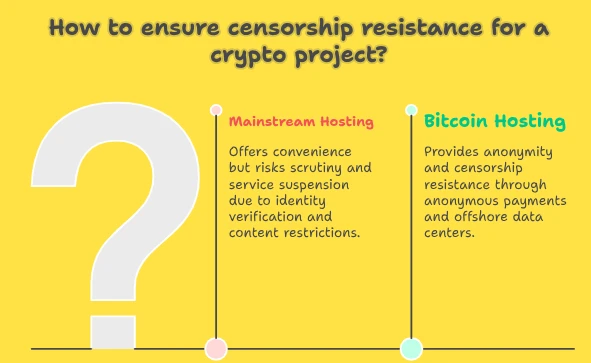
Launching a crypto project often triggers scrutiny from regulators, payment processors, and even hosting providers. Many mainstream platforms request identity verification or impose restrictions on crypto-related content. Others may even suspend services based on vague terms-of-service violations.
That’s why Bitcoin hosting is crucial. It allows you to pay anonymously, often without requiring KYC. When combined with offshore data centres, strong security practices, and reliable support, it becomes the foundation for a truly censorship-resistant online presence.
Step 1: Choose the Right Bitcoin Hosting Provider
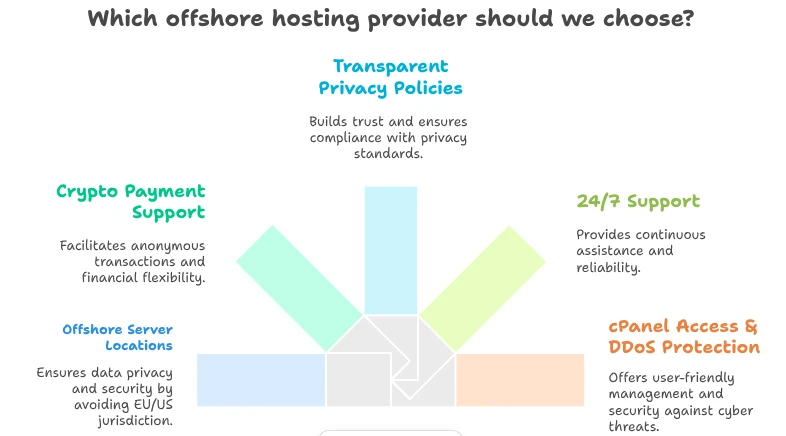
Start by selecting a provider that allows you to pay with Bitcoin or other cryptocurrencies and doesn’t demand personal identification. Look for hosts based in privacy-respecting jurisdictions, preferably outside the EU or US.
Key features to consider:
- Offshore server locations (e.g. Netherlands, Bulgaria, Ukraine)
- BTC, LTC, Monero, or other crypto payment support
- Transparent privacy policies
- 24/7 support
- cPanel access and DDoS protection integration
WebCare360, for example, is known for offering privacy-first offshore hosting, BTC payments, and WordPress-ready environments ideal for crypto startups.
Step 2: Select a Hosting Plan That Fits Your Needs
Whether you're running a lightweight crypto blog, a decentralised app interface, or a large-scale NFT project, your hosting requirements will vary.
If you're just starting out and budget-conscious, cheap hosting sites offering offshore shared or VPS hosting are often sufficient, with upgrades available as you scale.
Step 3: Enable Cloudflare for DDoS Protection
Cryptocurrency websites are frequent targets of distributed denial-of-service (DDoS) attacks. To ensure your crypto site stays online and performs well globally, it's vital to integrate Cloudflare.
Setup steps:
- Point your domain to Cloudflare nameservers
- Enable DDoS protection and Web Application Firewall (WAF)
- Turn on caching and minification features to speed up load times
- Hide your server IP to prevent direct attacks
Most Bitcoin hosting providers support seamless Cloudflare integration via cPanel or offer assistance during onboarding.
Step 4: Set Up Your Site with WordPress or Static HTML
If you're building a content-heavy site like a blog, news portal, or educational crypto hub, WordPress is an ideal CMS. Many offshore providers support one-click WordPress installation via Softaculous, and it's compatible with almost any hosting plan.
Advantages:
- Easy to manage without coding
- Thousands of crypto-friendly themes and plugins
- Plugins like WooCommerce support crypto payments
- SEO tools to rank your site effectively
For Web3 apps or blockchain explorers, you may prefer static HTML, React/Next.js frameworks, or decentralised storage like IPFS—depending on your technical capacity.
Step 5: Secure Your Hosting Environment
An anonymous crypto website must still be secure from intrusion, data leaks, and downtime. Basic measures include:
- Enabling SSL/TLS (most hosts offer free Let's Encrypt certificates)
- Installing WordPress security plugins like Wordfence or iThemes
- Using strong admin passwords and 2FA
- Regularly updating themes, plugins, and PHP versions
- Backing up data weekly or daily via cPanel
For high-risk projects (e.g. exchanges or crypto mixers), consider hosting behind Cloudflare with layered VPNs, anti-DDoS mitigation, and custom firewall rules.
Best Practices for Anonymous Hosting
To maintain your anonymity, follow these principles:
- Use anonymous email addresses: ProtonMail or Tutanota work well
- Pay only in cryptocurrency: Avoid using credit cards or bank transfers
- Avoid using your real domain registrar: Use a privacy-protecting registrar or pay with crypto
- Minimise personal data shared with any platform
By treating anonymity as part of your infrastructure strategy, you can significantly reduce exposure to legal takedowns or targeted attacks.
Building the Best Crypto Website — Affordable and Resilient
Creating a top-performing crypto site doesn't require massive budgets. Using a well-optimised offshore provider that offers cheap hosting services, integrated security features, and crypto payment support gives you the flexibility to build a high-traffic project without sacrificing privacy or breaking the bank.
Final Thoughts
The demand for anonymous hosting continues to rise as Web3, decentralised finance, and blockchain ecosystems expand. Choosing Bitcoin hosting isn’t just a payment preference—it’s a commitment to privacy, sovereignty, and operational freedom.
Whether you're launching the next best crypto website or simply want to share your ideas without compromise, anonymous Bitcoin hosting is the smart, secure, and scalable solution.
Frequently Asked Questions:
Q1. Can I really host a website without giving any personal information?
Yes, some offshore hosting providers allow you to sign up without submitting ID or personal data, especially if you pay with cryptocurrencies like Bitcoin or Monero.
Q2. What kind of crypto projects benefit from anonymous hosting?
Blogging platforms, DeFi projects, NFT sites, crypto news portals, and Web3 DApps all benefit from hosting that protects identity and resists takedowns.
Q3. Is WordPress suitable for a crypto website?
Absolutely. WordPress is ideal for content-based crypto sites. It’s easy to manage, and with plugins, you can accept crypto payments or enhance SEO.
Q4. Why do I need Cloudflare DDoS protection?
Crypto websites are frequent targets of cyber attacks. Cloudflare helps shield your site from DDoS, bot abuse, and data breaches—keeping it online 24/7.
Q5. Are cheap hosting sites reliable for crypto projects?
Many affordable offshore providers offer reliable uptime, security, and performance. Just ensure they accept Bitcoin and offer essential protections like SSL and backups.






























Sign in to leave a comment.