

At some point in your career, you start feeling stuck. Not completely lost. Just… stuck.
You’re working, you’re trying, you’re even applying to new roles, but nothing really changes. The effort is there, but the results don’t match it.
That’s usually when the idea of career coaching comes in. You start looking for guidance. Maybe someone who can review your resume, help with interviews, or just tell you what you’re doing wrong.
But then comes another problem. Everyone claims to be a coach. And a lot of what they offer sounds exactly the same.
The Problem With “Generic Career Advice”
If you’ve ever searched for career help online, you’ve probably seen the same advice repeated everywhere: “Tailor your resume.” “Be confident in interviews.” “Network more.” None of it is wrong.
But none of it is specific either. And that’s the issue.
Generic advice sounds helpful, but it rarely tells you what you need to do differently. Two people can follow the same advice and get completely different results. Because their problems aren’t the same.
This is where the difference between average coaching and the best career coach becomes clear.

A Real Career Coach Doesn’t Start With Solutions
One of the easiest ways to identify a strong coach is to notice how they begin. Most average coaches jump straight to advice.
“Fix your resume.”
“Improve your LinkedIn.”
“Apply more strategically.”
A good coach doesn’t start there. They start by understanding your situation. What roles you’ve been applying to. Where you’re getting stuck. What kind of responses you’re receiving. Because without that context, any advice is just a guess. And guesses don’t fix career problems.
Career Coaching Benefits Come From Clarity, Not Motivation
A lot of people assume career coaching is about motivation. Someone pushing you. Encouraging you. Keeping you positive. That can help, but it’s not the real value.
The real career coaching benefits come from clarity. Understanding why your applications aren’t converting. Understanding how recruiters are reading your profile. Understanding where your positioning is unclear. Once those things become clear, your actions change naturally. You don’t need motivation to apply better. You just need direction.
The Best Career Coach Focuses on Outcomes, Not Effort
One common mistake candidates make is focusing on effort.
“I applied to 100 jobs.”
“I updated my resume.”
“I practiced interview questions.”
All of that sounds productive. But the real question is: What did it lead to? A strong coach looks at outcomes. How many interviews did you get? Where did you get rejected? At what stage are you dropping off? Because effort without results doesn’t tell you much. Outcomes do.

Watch Out for One-Size-Fits-All Frameworks
Another sign of average coaching is rigid frameworks. “Follow this 5-step system.” “Use this exact resume format.” “Say these exact things in interviews.”
It sounds structured. It feels safe. But it doesn’t always work. Because hiring decisions are rarely that predictable. Different industries behave differently. Different roles require different positioning. Different recruiters look for different things. The Best Career Coach adapts. They don’t force you into a system. They adjust based on your situation.
Your Resume Isn’t the Problem — Your Positioning Is
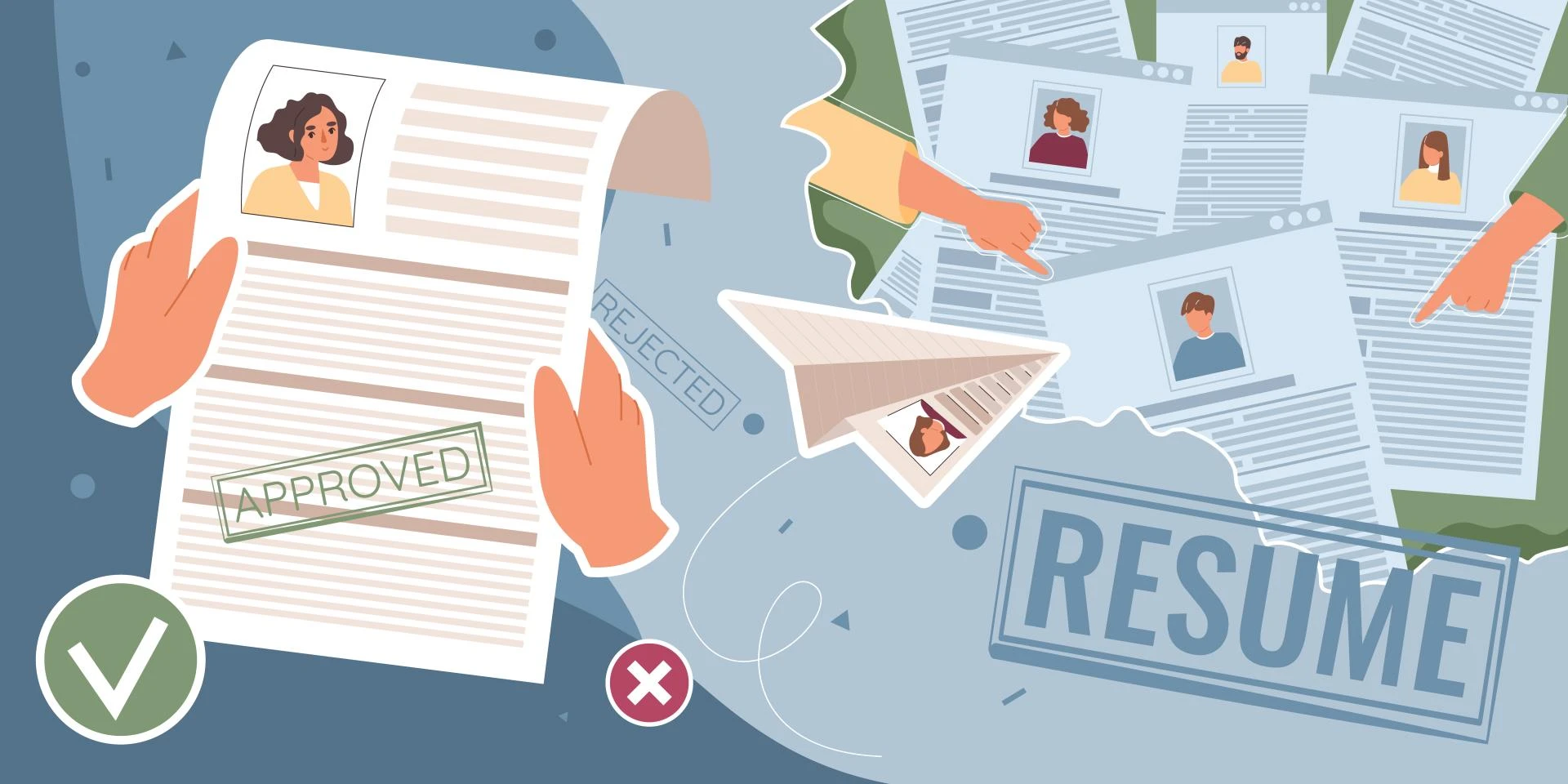
A lot of candidates think their resume is the issue. So they keep editing it. Changing wording. Rewriting bullet points. Switching formats. But most of the time, the real issue is positioning. It’s not about what you’ve done. It’s about how clearly it connects to the role you’re targeting.
If your profile doesn’t tell a consistent story, recruiters struggle to place you. And when that happens, they move on quickly. A good coach helps you fix that story. Not just the document.
A Good Coach Tells You What You Need to Hear
This part is important. A lot of coaches try to be encouraging all the time. They avoid saying anything that might feel uncomfortable. But growth doesn’t come from comfort. Sometimes the problem is your approach. Sometimes your expectations are misaligned. Sometimes your strategy isn’t working at all.
A strong coach points that out. Not harshly, but honestly. Because without that honesty, nothing really changes.
Career Coaching Should Change How You Think
The best coaching doesn’t just improve your resume or interview answers. It changes how you approach your job search. You start seeing patterns.
You understand why certain applications don’t work. You recognize what recruiters are actually looking for. You stop applying randomly and start applying with intent. That shift is what creates long-term results. Not just one job offer, but a better approach overall.
You Should See Progress, Not Just Activity
Another thing to watch for is progress. Are you getting more responses? Are interviews improving? Are conversations becoming easier? If coaching only increases your activity but not your results, something is missing.
Real progress shows up in outcomes. More calls. Better conversations. Clearer direction.

Final Thoughts
Career coaching can be incredibly valuable. But only if it’s done right. The difference between average coaching and the Best Career Coach isn’t in how much advice they give.
It’s in how relevant that advice is to your situation. Generic advice is easy to find. But real insight, the kind that actually changes results , comes from understanding the problem properly first. That’s what makes the difference. Not more effort. Better direction.





























Sign in to leave a comment.