

Applying for jobs every day can feel like you’re doing everything you’re supposed to do. You search, you apply, you wait, and then you repeat the same routine the next day. At first, it feels hopeful. You think something will click soon.
But after a few weeks, the silence starts getting frustrating.
No calls. No emails.
Sometimes not even a rejection message. Most people blame the market. Some think companies have slowed hiring. Others assume competition is just too high.
While all of that plays a role, in most cases the bigger problem is simpler. The job search system being used isn’t working anymore.
What helped people land jobs a few years ago does not bring the same results today. Hiring has become faster, more automated, and much more crowded. Without the right approach, even experienced professionals can get ignored.
Why Applying Every Day Is No Longer Enough
There was a time when sending out many applications increased your chances. Recruiters had fewer resumes to review and often looked through most of them.
Today, each job posting attracts hundreds of applicants within days.
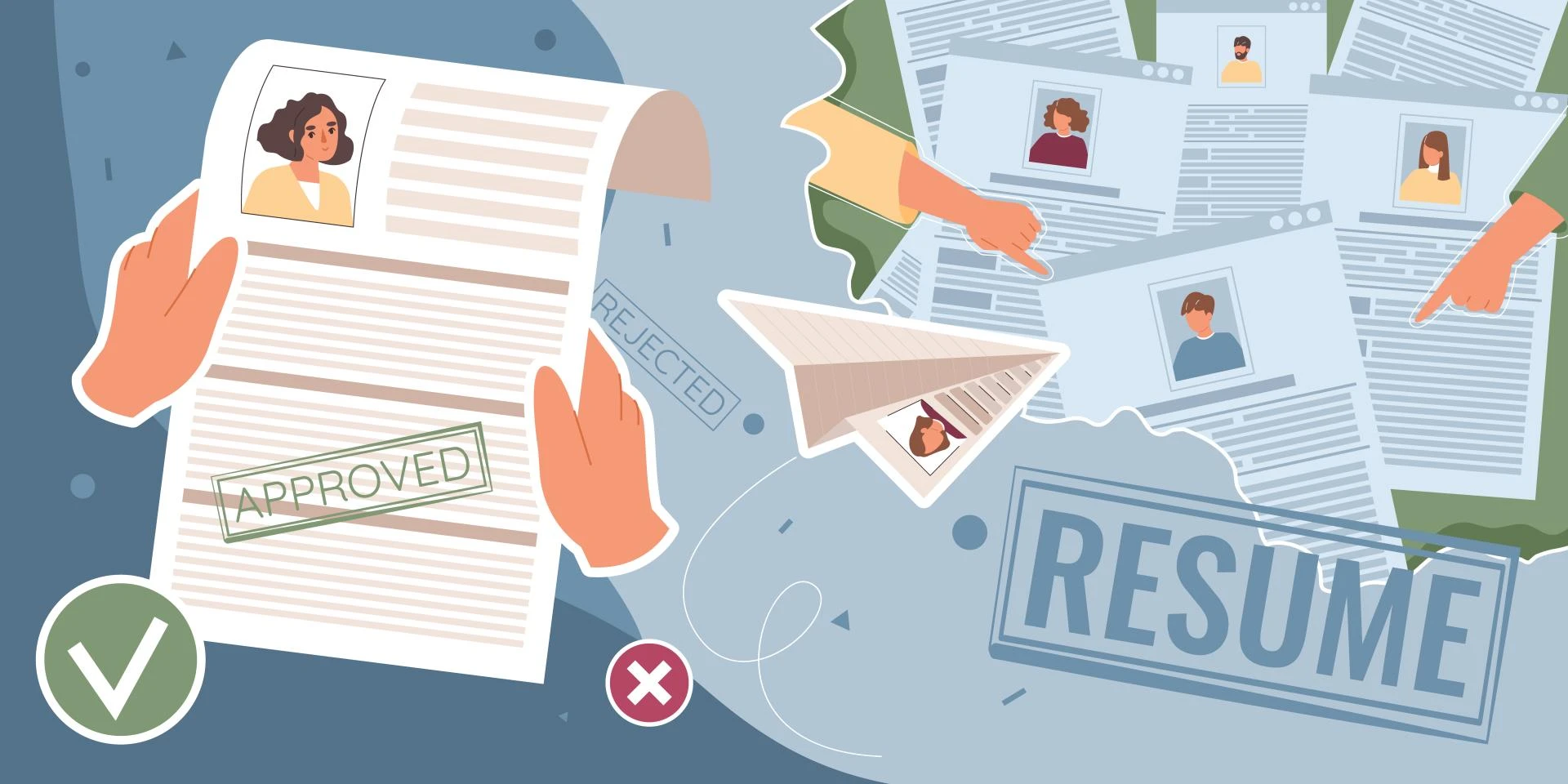
Most companies now use software to sort resumes before a recruiter ever sees them. These systems look for specific keywords, experience alignment, and formatting.
So when you apply daily with the same resume, chances are high that it gets filtered out again and again.
It doesn’t mean you aren’t qualified.
It usually means your resume isn’t matching what the system is looking for.
This is why many job seekers feel busy but stuck.
They’re working hard, but the approach is outdated.

What a Low Resume Response Rate Really Means
If you’ve sent many applications and barely received interview calls, your resume response rate is trying to tell you something.
Most of the time, the issue is not your experience.
It’s how your experience is written.
Many resumes focus on listing tasks instead of showing results. They explain what the job involved but not what the person achieved.
Recruiters want to know things like:
What did you improve?
What problems did you solve?
What results did you deliver?
Another common problem is using old formats or missing important keywords that hiring systems scan for.
Even small improvements in clarity, structure, and wording can lead to more recruiter responses.
Why Interviews Don’t Always Lead to Job Offers
Some people do manage to get interview calls, but then nothing moves forward.
This can be just as frustrating.
In many cases, it’s not about lack of knowledge or experience.
It’s about interview strategy.
Today’s interviews focus heavily on how you explain your work. Hiring managers want clear examples and real stories, not general answers.
Many candidates speak too broadly. They talk about what their team did instead of what they personally handled.
They explain duties instead of outcomes.
Without preparing in a structured way, even strong professionals can struggle to stand out.
Learning how to communicate experience properly makes a big difference.

Why a Random Job Search Creates Burnout
Most people don’t really follow a clear job search system.
They apply wherever they see openings. They change their resume once in a while. They watch random interview tips online.
Everything feels scattered.
This usually leads to exhaustion before results appear.
A better job search system is focused.
It involves choosing the right roles, tailoring resumes, improving online presence, networking with intention, and preparing properly for interviews.
When these steps work together, progress becomes smoother.
Without structure, the process feels endless.
How a Career Search Coach Can Help
This is why many professionals now work with a career search coach.
Not because they are bad at their jobs.
But because the hiring process has changed.
A coach helps identify what part of the system isn’t working.
For some people, it’s the resume.
For others, it’s interview performance or poor targeting of roles.
Once the right areas are fixed, job searches usually become much easier and faster.
How a Job Search Crash Course Speeds Up Results
For people who prefer learning quickly, a job search crash course can be very helpful.
Instead of figuring things out through rejection, they get a clear breakdown of what works in today’s hiring market.
Most crash courses cover resume improvement, boosting resume response rate, LinkedIn positioning, interview strategy, and smarter application methods.
Many job seekers see better results within weeks simply because they stop repeating the same mistakes.

Most of the Time, It’s Not Your Skills
After facing silence for long enough, it’s easy to doubt yourself.
But in most situations, skills and experience are not the real problem.
Once the job search system is improved, the same background suddenly starts getting attention.
Recruiters reply more often.
Interviews increase.
Confidence comes back.
The market is tough, but it still rewards people who understand how to navigate it.
Final Thoughts
If you’re applying daily and hearing nothing back, don’t assume you’re doing something wrong as a professional.
More often than not, the issue is the method being used.
By improving how your resume presents your experience, strengthening your interview strategy, and following a structured job search system, often with help from a career search coach or a focused job search crash course, you can completely turn things around.
Effort matters. But in today’s hiring world, the right strategy matters even more.




























Sign in to leave a comment.