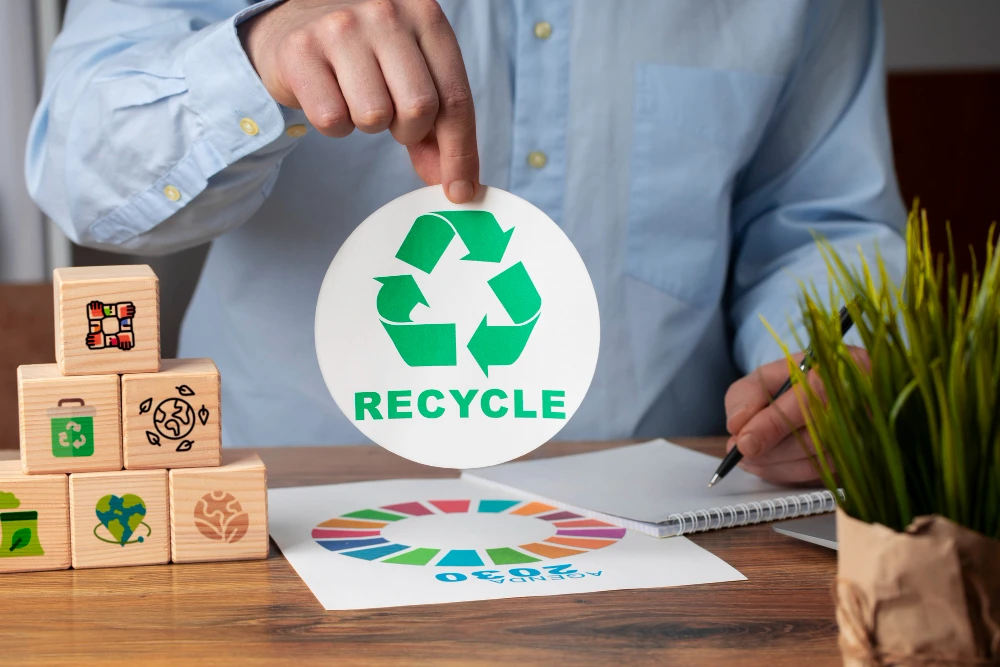

Living a zero-waste life may seem like a difficult change but it can easily be done if one sets their mind into it. This guide will provide a better perspective on how to advertise, perform waste management, remove products, and destruct products using the zero-waste concept.
Understanding Zero Waste
Zero waste is a lifestyle choice that aims to minimize waste production by rethinking, reducing, reusing, and recycling. The ultimate goal is to send as little waste to landfills as possible, creating a more sustainable and eco-friendly living environment.
Steps to Implement Zero Waste Practices
Conduct a Waste AuditThe first step to the process is being in a position to determine the waste that your household produces. This will assist you in defining where the major sources of wastes are and where it is likely to have the greatest effects. Sort your garbage into types of waste; bio degradable waste, reusable waste, and waste that cannot be reused.
Embrace Reusable ProductsUse reusable alternatives in place of single-use goods. Invest in items such as beeswax wraps, reusable coffee cups, cloth shopping bags, and stainless-steel water bottles. Making this easy change will drastically cut down on the garbage you produce.
Implement Sustainable Waste ManagementSustainable waste management is crucial for a zero-waste lifestyle. Set up a composting system for organic waste. Composting not only reduces waste but also creates valuable fertilizer for your garden. For recyclables, ensure you have separate bins for different materials like paper, plastic, glass, and metal. Educate your household on what can and cannot be recycled to avoid contamination.
Product Removal and DonationDeclutter your home by removing products you no longer need. Instead of throwing these items away, consider donating them to charities or giving them to friends and family. This practice supports sustainable waste management by extending the lifecycle of products and incorporates effective product removal strategies.
Practice Product Destruction ResponsiblyFor products that are broken or beyond repair, responsible product destruction is key. Look for local programs that recycle electronics, textiles, and hazardous materials. Many communities offer special collection events for items like batteries, paint, and electronics, ensuring they are disposed of safely and responsibly.
Benefits of Zero Waste Practices
Implementing zero-waste practices in your home offers numerous benefits, including:
Environmental Impact: Cutting waste contributes to lower greenhouse gas emissions, pollution, and resource conservation. Cost Savings: By lowering the need to purchase new goods, reusing and repurposing objects can result in cost savings. Healthier Living: Choosing natural and non-toxic items is a common way to achieve zero waste, which helps to create a healthier living space. Community Engagement: Getting involved in neighbourhood recycling programmes and zero-waste projects promotes a feeling of shared environmental responsibility and a sense of community.Conclusion
Although adopting a zero-waste lifestyle requires time and work, the rewards are substantial. You may dramatically lower the waste footprint of your household by putting into practice sustainable waste management techniques, removing and discarding things in an ethical manner, and making thoughtful decisions. Remain dedicated, start small, and keep in mind that every step you take towards zero waste benefits the environment.





















Sign in to leave a comment.