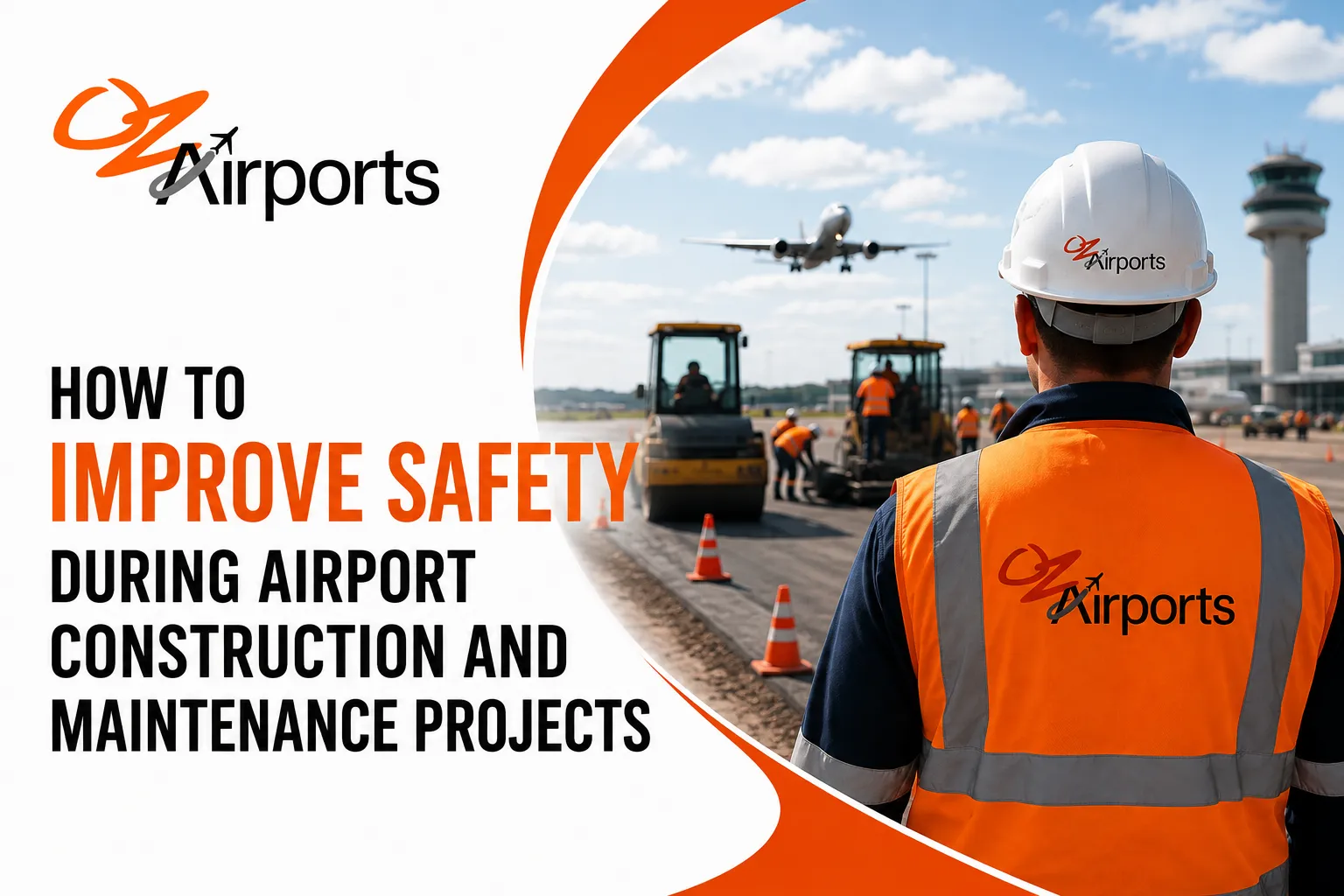

Airport construction and maintenance projects require careful coordination because work often takes place in an active aviation environment. Contractors, airport staff, vehicles, and aircraft may operate within the same general area, creating risks that are not normally found on conventional construction sites.
A well planned airport works safety program helps identify these risks and establish appropriate controls before work begins.
A qualified Works Safety Officer can also provide valuable oversight throughout the project, helping contractors follow approved procedures while supporting safe airport operations.
Why Airport Construction Requires Careful Planning
Construction work can temporarily change the normal conditions of an airport.
A project may involve runway repairs, taxiway maintenance, pavement works, drainage improvements, lighting installation, or infrastructure development. Each activity can introduce new hazards.
For example, construction equipment may create temporary obstacles. Vehicles may need to travel through operational areas. Excavation work can change the condition of surrounding surfaces, while construction materials can create additional risks if they are not properly stored.
Good airport works safety planning helps project teams understand these risks before physical work begins.
Identify Potential Hazards Before Work Starts
The first step in managing construction safety is identifying potential hazards.
Project managers should review the proposed work area and consider how construction activities could affect airport operations.
Important areas to assess include:
- Aircraft movement areas
- Runways and taxiways
- Aprons
- Vehicle access routes
- Construction equipment
- Temporary structures
- Excavation areas
- Construction materials
- Lighting and visibility
- Emergency access
Hazard identification should not be treated as a one time activity. Conditions can change throughout a project, so safety assessments should continue as construction progresses.
Establish Clear Work Boundaries
Clearly defined work areas can help prevent people and vehicles from entering locations where they should not be operating.
Contractors should understand exactly where they are permitted to work and where equipment can be positioned.
Work boundaries should be communicated to everyone involved in the project. Where appropriate, physical controls and clear procedures can also help distinguish construction areas from operational areas.
A Works Safety Officer can monitor these boundaries and identify situations where work activities may be extending beyond approved areas.
Manage Construction Vehicles Carefully
Vehicles and mobile equipment are an important consideration during airport construction.
Projects may require trucks, excavators, loaders, cranes, utility vehicles, and other machinery. These vehicles need to operate according to established airport procedures.
Vehicle management should consider:
- Approved access routes.
- Designated parking locations.
- Equipment storage areas.
- Driver requirements.
- Communication procedures.
- Interaction with aircraft operations.
Drivers and operators should understand the airport environment before beginning work.
Proper vehicle management reduces the likelihood of unexpected interactions between construction equipment and airport operations.
Maintain Effective Communication
Communication is one of the most important elements of construction safety.
Airport projects may involve project managers, contractors, airport operators, safety personnel, and other stakeholders. Everyone needs access to relevant safety information.
Before work begins, teams should understand who is responsible for communicating operational changes and reporting safety concerns.
Regular communication can also help teams respond to changing conditions.
For example, if airport operations change unexpectedly, construction activities may need to be adjusted. Clear communication allows the relevant personnel to respond quickly and appropriately.
Monitor Changing Conditions
Construction sites are constantly changing.
Equipment moves from one location to another. Excavations are created and filled. Materials are delivered and removed. Work areas can change throughout the day.
These changes can create new hazards.
Effective airport works safety therefore requires continuous observation rather than relying only on an initial safety assessment.
A Works Safety Officer can monitor ongoing activities and raise concerns when conditions change.
This provides an additional level of safety oversight and helps ensure that contractors remain aware of current operational requirements.
Prepare for Emergency Situations
Every airport construction project should have appropriate emergency arrangements.
The project team should understand what to do if an incident occurs and how to communicate with airport personnel.
Emergency planning may include procedures for:
- Vehicle incidents
- Equipment failures
- Injuries
- Fire
- Unauthorised access
- Unexpected aircraft movements
- Damage to airport infrastructure
- Other operational emergencies
Workers should know how to report an emergency and who should be contacted.
Regular briefings can help ensure that workers understand their responsibilities.
Provide Appropriate Training
Training helps workers understand the environment in which they are operating.
Airport construction personnel may need specific knowledge relating to airside access, vehicle movements, airport procedures, communication, and emergency arrangements.
General construction experience is valuable, but airport projects require additional awareness because construction activities can interact directly with aviation operations.
Oz Airports provides specialist aviation services and training for civil and Defence aerodromes across Australia. Its services include Works Safety Officer training, airside induction, and Authority to Drive Airside training.
This aviation specific approach can help personnel develop a better understanding of airport operational requirements.
The Importance of an Experienced Works Safety Officer
A Works Safety Officer can provide practical oversight during construction and maintenance activities.
The role may involve monitoring contractors, observing work areas, identifying hazards, supporting communication, and helping ensure that established procedures are followed.
Having dedicated safety personnel can be particularly valuable when projects involve multiple contractors or take place close to aircraft movement areas.
The officer can also help identify issues before they develop into more serious operational concerns.
Choosing the Right Airport Safety Support
Airport operators should carefully consider the experience and capabilities of a safety provider.
Important factors include:
Aviation Experience
The provider should understand airport operations and the unique risks associated with construction at aerodromes.
Qualified Personnel
Safety personnel should have appropriate training and practical experience.
Strong Safety Processes
A structured approach to identifying and managing risks can support consistent project safety.
Communication Skills
Safety professionals must be able to communicate effectively with contractors, airport operators, and other stakeholders.
Experience Across Different Airports
Experience with different aerodrome environments can help safety personnel adapt to project specific requirements.
Oz Airports supports civil and Defence aerodromes and provides specialist aviation personnel for airport operations and works projects across Australia.
Frequently Asked Questions
What is airport works safety?
Airport works safety involves managing construction and maintenance activities at an aerodrome while protecting workers, aircraft, airport infrastructure, and ongoing operations.
What does a Works Safety Officer monitor?
A Works Safety Officer may monitor contractors, vehicles, work areas, temporary hazards, and compliance with established airport safety procedures.
Why is communication important during airport construction?
Clear communication helps contractors and airport personnel respond to operational changes and safety concerns quickly.
Should safety planning begin before construction?
Yes. Safety planning should begin during the project preparation stage so hazards, work boundaries, vehicle routes, communication procedures, and emergency arrangements can be considered before work starts.
Can airport safety requirements change during a project?
Yes. Construction conditions and airport operations can change. Continuous monitoring helps ensure that safety controls remain appropriate throughout the project.
Building a Safer Airport Project
Successful airport construction depends on more than completing the physical work. Projects must be planned and managed in a way that protects workers while allowing airport operations to continue safely.
A strong airport works safety approach combines careful planning, hazard identification, contractor management, communication, training, and continuous monitoring.
An experienced Works Safety Officer can support these activities by providing dedicated safety oversight throughout the project.
With the right procedures and experienced aviation personnel, airport operators and contractors can create a safer working environment while keeping construction activities coordinated with ongoing aerodrome operations.


























Sign in to leave a comment.