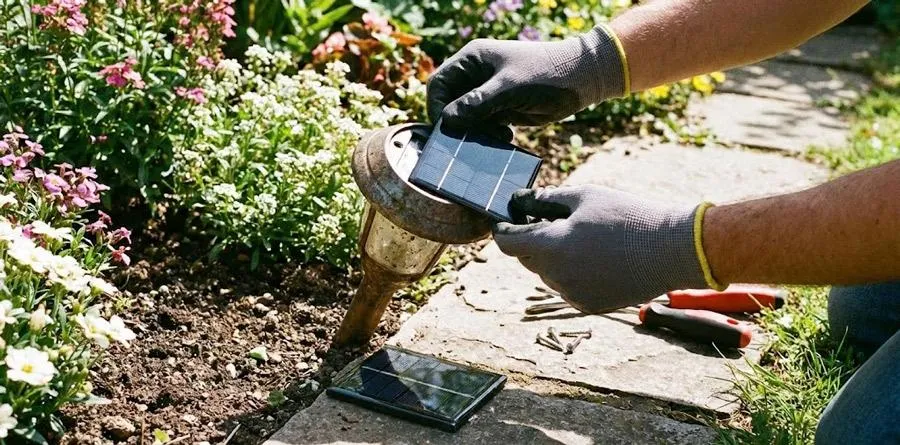

Solar path lights are a simple and energy-efficient way to brighten walkways, gardens, driveways, and outdoor spaces. However, many homeowners notice that their solar path lights stop working properly after winter. They may become dim, turn off quickly, or fail to illuminate at night altogether.
The good news is that winter-related problems are usually fixable. Understanding what causes them can help you restore your lights and keep them working efficiently throughout the year.
1. Limited Sunlight During Winter
One of the biggest reasons solar path lights struggle after winter is reduced sunlight. Shorter days, cloudy weather, snow, and overcast skies can prevent the solar panels from receiving enough sunlight to fully charge the batteries.
Even after winter ends, your lights may need several sunny days to return to normal performance.
2. Dirty or Cloudy Solar Panels
Dirt, dust, pollen, leaves, and other debris can accumulate on the solar panel during winter. A dirty panel cannot absorb sunlight as efficiently, which reduces the amount of energy stored in the battery.
Clean the panel gently with a soft, damp cloth. Avoid abrasive cleaners that could scratch the surface.
3. Cold or Damaged Batteries
The rechargeable batteries inside solar path lights can be affected by extremely cold temperatures. Repeated exposure to freezing conditions may reduce their ability to hold a charge.
If your lights are several years old and still fail after receiving plenty of sunlight, the batteries may need to be replaced. Always use a compatible rechargeable battery recommended for your specific light.
4. Moisture and Water Damage
Winter rain, snow, ice, and moisture can find their way into poorly sealed outdoor lights. Water inside the battery compartment or electrical components can cause corrosion or prevent the light from operating.
Check your solar path lights for signs of moisture, rust, or corrosion. Make sure the housing and battery compartment are properly sealed before putting the lights back into regular use.
5. Snow or Ice Blocking the Solar Panel
If your lights were exposed to snow or ice, their panels may have remained covered for extended periods. Even a thin layer of residue can reduce charging efficiency.
Once winter is over, inspect each solar panel and remove any remaining dirt or buildup. Position the lights where the panels can receive direct sunlight for most of the day.
6. The Light's On/Off Switch May Be the Problem
Some solar path lights have a small power switch that can accidentally be moved while the lights are being stored, cleaned, or repositioned.
Check that the switch is turned on. If your lights have a removable protective tab or battery compartment, make sure everything is installed correctly.
How to Get Solar Path Lights Working Again
If your solar path lights are not working after winter, try these simple steps:
- Clean each solar panel with a soft, damp cloth.
- Remove leaves, dirt, snow, and other obstructions.
- Check that the lights are switched on.
- Place the lights in an area with several hours of direct sunlight.
- Inspect the battery compartment for corrosion or moisture.
- Replace old rechargeable batteries if necessary.
- Allow the lights to charge for a full sunny day before testing them at night.
If the lights still do not work after these steps, the solar panel, LED, wiring, or internal electronics may be damaged and the unit may need to be repaired or replaced.
How to Prevent Winter Damage
A little maintenance can help your solar path lights last longer. Before winter, clean the panels, check the seals, and remove debris around the fixtures. If the manufacturer recommends seasonal storage, consider bringing the lights indoors during periods of severe weather.
It is also important to install solar path lights in locations where their panels are not shaded by trees, buildings, or other landscaping. Better sunlight exposure means more efficient charging and brighter nighttime illumination.
Final Thoughts
Winter can affect solar path lights through reduced sunlight, cold temperatures, dirty panels, moisture, and battery deterioration. In many cases, a thorough cleaning, better sunlight exposure, or a battery replacement is enough to restore their performance.
Regular maintenance throughout the year can also help your solar path lights charge more efficiently, last longer, and continue providing reliable outdoor lighting after winter and throughout the seasons.


























Sign in to leave a comment.