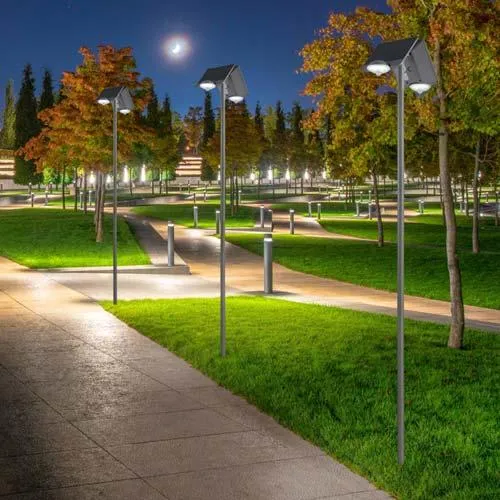

As cities, businesses, and residential communities increasingly adopt sustainable infrastructure, solar street lights have become a preferred lighting solution. These lights provide reliable illumination while reducing electricity costs and minimizing environmental impact. However, one common question remains: How do solar street lights perform in different weather conditions?
The good news is that modern solar street lights are designed to operate efficiently throughout the year, even when weather conditions are less than ideal. Advances in solar panel technology, battery storage, and intelligent lighting systems ensure dependable performance in sunshine, rain, snow, and cloudy weather.
In this guide, we'll explain how solar street lights work and how they adapt to changing weather conditions.
How Do Solar Street Lights Work?
Before understanding their performance in different climates, it's important to know how solar street lights function.
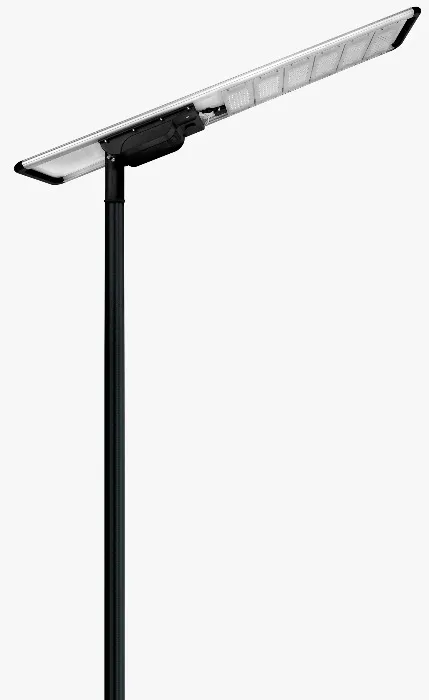
A typical solar street lighting system consists of:
- Solar panel
- Rechargeable lithium battery
- LED light fixture
- Charge controller
- Motion or dusk-to-dawn sensor
- Pole and mounting structure
During daylight hours, the solar panel converts sunlight into electrical energy. This energy is stored in the rechargeable battery. At sunset, the controller automatically powers the LED light using the stored energy, keeping the area illuminated throughout the night.
This independent operation eliminates the need for grid electricity and underground wiring.
Performance in Sunny Weather
Sunny conditions provide the ideal environment for solar street lights.
When exposed to direct sunlight for several hours, solar panels operate at maximum efficiency, generating enough electricity to fully charge the battery.
Benefits during sunny weather include:
- Faster battery charging
- Maximum lighting duration
- Higher energy storage
- Consistent brightness
- Improved battery lifespan
In regions with abundant sunshine, solar street lights can easily provide 10–14 hours of continuous illumination after a full day's charge.
How Solar Street Lights Perform on Cloudy Days
Many people believe solar lights stop working when it's cloudy, but that's a common misconception.
Modern solar street lights can still generate electricity under cloudy skies. Although solar panels receive less direct sunlight, they continue to capture diffused sunlight and convert it into usable energy.
Most high-quality systems are equipped with larger battery capacities, allowing them to store extra power during sunny days for use during periods of reduced sunlight.
On cloudy days, solar street lights:
- Continue charging at a slower rate
- Use stored battery power efficiently
- Maintain lighting with intelligent energy management
- Automatically adjust brightness when necessary
Performance During Rainy Weather
Rain often brings overcast skies, reducing the amount of sunlight reaching solar panels. However, solar street lights are specifically designed for outdoor use and can continue operating during rainy weather.
Key features that help them perform include:
- Waterproof solar panels
- Weather-resistant LED fixtures
- Sealed lithium batteries
- Intelligent charge controllers
Many premium solar street lights include battery systems capable of providing backup power for several consecutive rainy days.
Advantages in rainy conditions:
- Waterproof construction
- Corrosion-resistant materials
- Reliable nighttime illumination
- Automatic charging resumes when sunlight returns
Can Solar Street Lights Work During Snow?
Yes. Solar street lights can still function in snowy climates.
Although snow may temporarily cover solar panels, most installations are mounted at an angle that allows snow to slide off naturally. Even in cold temperatures, lithium batteries generally perform well when properly designed for outdoor use.
In fact, solar panels often operate more efficiently in cooler temperatures than in extreme heat.
For areas with heavy snowfall, periodic cleaning of accumulated snow helps maintain maximum charging efficiency.
Performance in Winter
Winter brings shorter days and fewer sunlight hours, but solar street lights are built to handle seasonal changes.
Manufacturers address winter performance by using:
- High-efficiency monocrystalline solar panels
- Large-capacity lithium batteries
- Energy-saving LED technology
- Smart brightness control
Many systems automatically reduce brightness during low battery conditions, extending operating time until sunrise.
How Solar Street Lights Handle Extreme Heat
High temperatures generally do not affect LED performance significantly, but excessive heat can reduce battery efficiency over time.
Premium solar street lights use heat-resistant components and advanced battery management systems to regulate temperature and protect internal electronics.
Quality systems feature:
- UV-resistant materials
- Heat-dissipating aluminum housings
- Ventilated battery compartments
- Temperature-controlled charging
These features help maintain consistent performance in hot climates.
Intelligent Energy Management
One reason solar street lights perform reliably in varying weather conditions is their intelligent control system.
Modern controllers continuously monitor:
- Battery charge level
- Solar charging efficiency
- Ambient light conditions
- Power consumption
When battery levels become low after several cloudy days, the controller may automatically reduce brightness or shorten operating hours to conserve energy without completely shutting off the light.
This smart energy management ensures dependable operation even during prolonged periods of poor weather.
Factors That Affect Solar Street Light Performance
Several factors influence how efficiently solar street lights operate throughout the year.
1. Solar Panel Quality
High-efficiency monocrystalline panels capture more sunlight than lower-quality alternatives, especially in low-light conditions.
2. Battery Capacity
Larger lithium batteries store more energy, allowing lights to operate for multiple nights without additional charging.
3. LED Efficiency
Energy-efficient LED fixtures consume less power while producing brighter illumination.
4. Installation Location
Solar panels should be installed where they receive maximum direct sunlight without obstruction from trees, buildings, or other structures.
5. Weather Conditions
While weather affects charging speed, properly designed solar street lights are built to continue operating through seasonal changes.
Tips to Maximize Performance
To ensure your solar street lights work efficiently year-round:
- Install panels in areas with maximum sunlight.
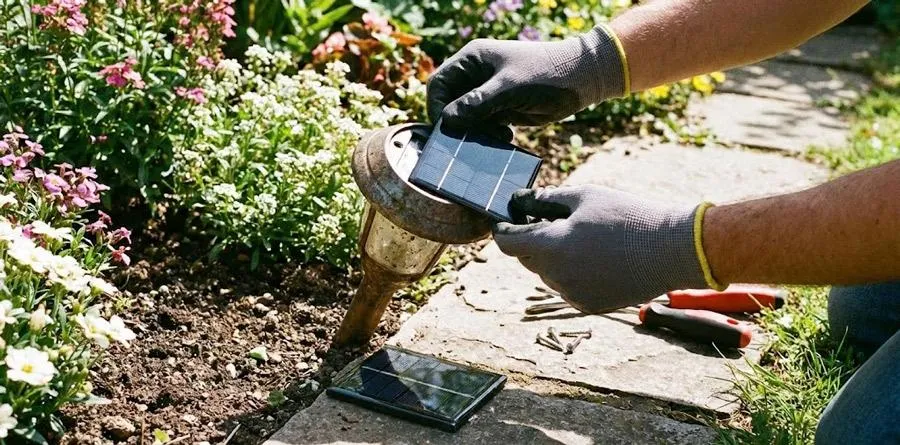
- Clean solar panels regularly to remove dust, leaves, and debris.
- Inspect batteries during scheduled maintenance.
- Remove heavy snow if it accumulates on the panels.
- Choose high-quality lights with weatherproof ratings such as IP65 or higher.
- Select systems with sufficient battery backup for your local climate.
Benefits of Solar Street Lights in All Weather Conditions
Despite changing weather, solar street lights offer several long-term advantages:
- Reduced electricity costs
- Environmentally friendly operation
- Reliable outdoor illumination
- Low maintenance requirements
- Automatic dusk-to-dawn operation
- Long-lasting LED performance
- Easy installation without underground wiring
- Excellent durability in rain, snow, and heat
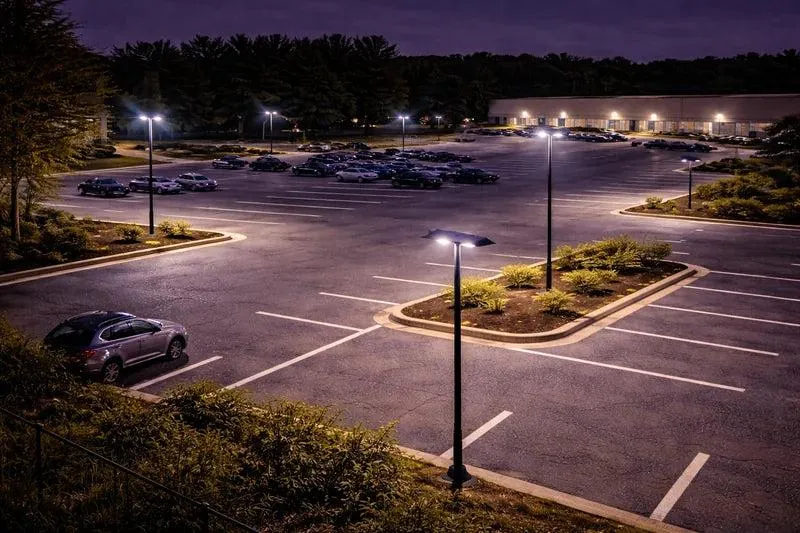
These benefits make them an ideal lighting solution for roads, parking lots, parks, campuses, industrial facilities, and residential communities.
Final Thoughts
Modern solar street lights are engineered to perform efficiently in a wide range of weather conditions, from bright summer days to rainy seasons and snowy winters. Thanks to advances in solar panel technology, lithium battery storage, weather-resistant construction, and intelligent energy management, they provide dependable lighting throughout the year.
While weather can influence charging efficiency, high-quality solar street lights are designed to adapt by storing excess energy, optimizing power usage, and automatically adjusting performance when needed. By choosing premium systems and installing them correctly, you can enjoy reliable, cost-effective, and sustainable outdoor lighting regardless of the season.























Sign in to leave a comment.