

SME IPOs have become extremely popular among retail investors due to their high listing gains and fast growth potential. But with demand skyrocketing, getting an allotment has become challenging. Many investors apply but still see “Not Allotted” when checking the status of allotment of IPO on platforms like IPOWatch or registrar websites.
So how do you increase your chances?
This guide breaks it down in a simple, practical, and highly effective way.
1. Apply in the Retail Category & Use Multiple Demat Accounts
One of the most reliable ways to increase allotment chances in SME IPOs is to apply using multiple retail applications — but only through different PAN numbers.
✔ Apply 1 lot per retail application
✔ Use Demat accounts of family members (parents, spouse, siblings)
✔ Ensure each person has a unique PAN
Unlike mainboard IPOs, SME IPOs do not have ASBA-supported UPI limits as a major issue. Hence, using more valid retail applications significantly improves your chance of being picked in the lottery.
Pro Tip:
Avoid applying multiple lots in a single application — it does not improve your chances because SME IPOs follow a lottery system, not proportionate allotment.
2. Submit Your UPI Mandate on Time & Avoid Last-Minute Bidding
Many investors lose allotment simply because of payment delays.
To ensure your application is valid and included in the allotment lottery:
Apply before the deadline
Approve UPI mandate before 5 PM on the same day
Use reliable UPI apps like BHIM, Google Pay, or PhonePe
A rejected application = 0% allotment chance
Always double-check your bid details before final submission.
3. Choose SME IPOs With Lower Subscription Ratios
Most investors run after over-hyped SME IPOs.
But extremely high oversubscription (100x–500x) means your allotment probability becomes extremely low.
To increase your chances:
✔ Choose quality IPOs with moderate subscription levels
✔ Analyse financials, valuation, and business scalability
✔ Focus on underwriting strength and promoter background
Sometimes, the best allotments come from strong companies that haven’t gone viral yet.
4. Track the Status of Allotment of IPO Carefully
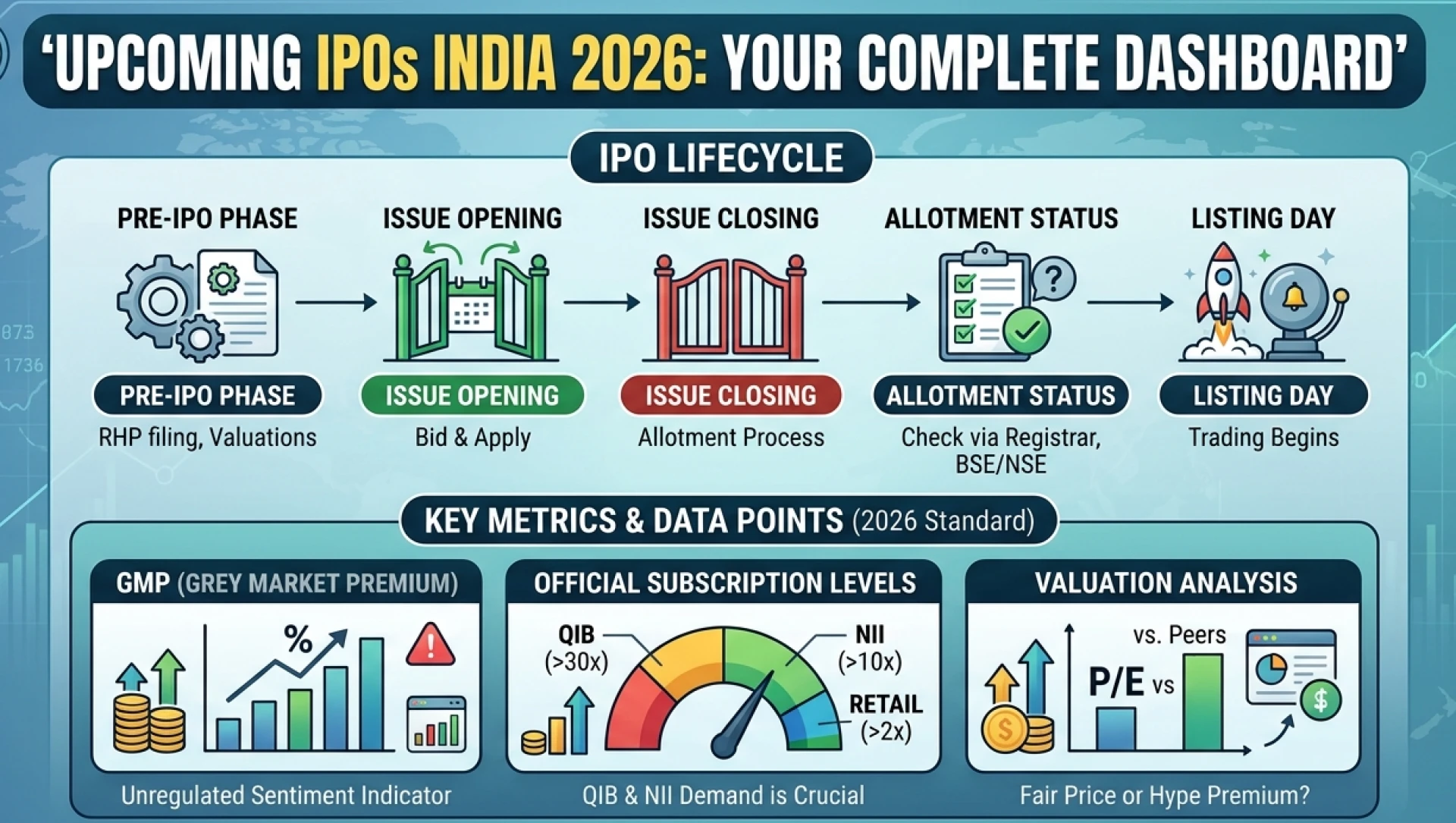
After applying, you should monitor the status of IPO allotment through:
IPOWatch
Registrar platforms (Bigshare, Link Intime, KFintech)
BSE SME website
Checking the allotment status helps you verify:
Whether your application was successful
Whether funds were unblocked
Whether your mandate was accepted
Whether there are technical rejections
This ensures you take timely action for the next IPO opportunity.
5. Avoid Technical Rejections at All Costs
Small mistakes can eliminate your application from the allotment process. Always ensure:
Your name matches PAN and bank records
PAN is active and linked with Aadhaar
Demat account details are correct
UPI ID is valid and belongs to you
You are applying under the correct category
Even a tiny mistake can lead to application rejection, reducing your allotment chances to zero.
6. Apply at Cut-Off Price Always
Never try bidding below the price band.
For SME IPOs, applying at the cut-off price ensures your application is part of the valid bidding category.
This increases the probability of receiving at least 1 lot during allotment.
7. Consistency Pays — Apply in More SME IPOs
With SME IPOs in high demand, missing out on one allotment is common.
But the more IPOs you apply for, the better your chances of eventually receiving allotment.
Many successful investors follow the strategy:
✔ Apply in every strong SME IPO
✔ Use multiple Demat accounts
✔ Keep funds ready for upcoming IPOs
Over time, the probability works in your favour.
Increasing allotment chances in SME IPOs is about smart planning, using the right strategy, and avoiding common mistakes.
By applying through multiple retail applications, completing UPI mandates on time, avoiding technical errors, and tracking the status of allotment of IPO regularly, you significantly boost your chances of receiving shares.
SME IPOs continue to deliver strong listing gains — and with the right approach, you can be among the lucky investors to benefit.




























Sign in to leave a comment.