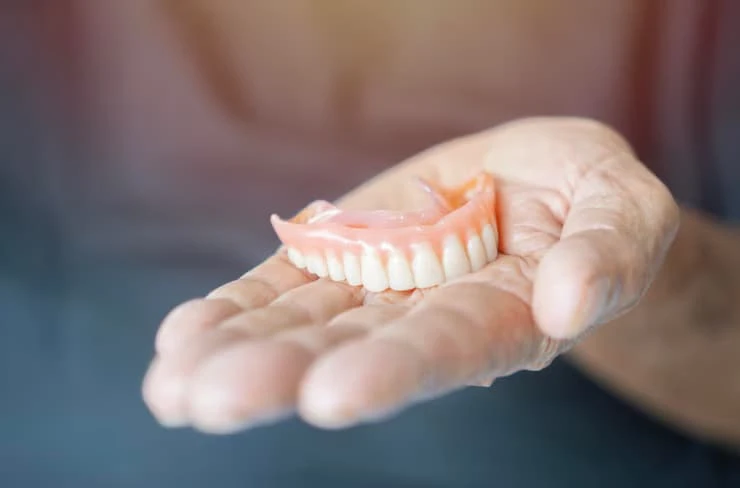

Partial dentures serve as a vital solution for individuals who have lost some of their natural teeth. They not only enhance the aesthetics of one’s smile but also restore functionality, allowing individuals to chew and speak with confidence. However, many wearers often grapple with issues related to comfort and stability. Understanding how to properly care for and adjust to a partial denture can significantly improve the experience for the wearer.
This article delves into effective strategies for ensuring that your partial denture remains secure and comfortable throughout its use.
Understanding the Importance of Fit
One of the most crucial factors in maintaining comfort with a partial denture is the fit. A properly fitted denture should feel snug yet not overly tight, distributing pressure evenly across the gums and remaining teeth. If the denture is ill-fitting, it can cause discomfort, sores, or even lead to additional dental issues. Regular visits to your dentist for adjustments are essential. During these appointments, your dentist can assess the fit of your denture and make necessary modifications to ensure that it conforms to your mouth's changing shape over time.
Beyond professional adjustments, it is advisable to regularly check your denture for signs of wear. The materials used in the construction of partial dentures can degrade over time, which may affect their fit. If you notice any significant changes, such as increased soreness or difficulty in keeping the denture in place, consulting your dentist promptly can help address these issues before they escalate.
Daily Care and Maintenance
Daily care is paramount in ensuring the longevity and comfort of your partial denture. Firstly, it is essential to clean your denture daily using a soft-bristled brush designed specifically for dental appliances. This gentle cleaning helps remove plaque and food particles that can accumulate and lead to odours or infections. It is advisable to use a non-abrasive cleaner specifically formulated for dentures as ordinary toothpaste may be too harsh and can cause scratches on the surface.
In addition to cleaning the denture itself, one should also pay attention to the gums and remaining natural teeth. Gently brushing your gums and the remaining teeth twice a day can promote oral health and create a conducive environment for your partial denture. Moreover, soaking your denture in a denture cleaner overnight can assist in maintaining hygiene and freshness, ensuring that you wake up to a clean and comfortable appliance.
Adjusting to Your Partial Denture
The initial adjustment period when receiving a new partial denture can be challenging. It is not uncommon to experience some discomfort or a feeling of fullness in the mouth as you adapt to the new appliance. Patience is key during this phase; over time, the body typically acclimatises to the denture.
To facilitate this adjustment, it may be helpful to start with softer foods, gradually introducing more solid options as comfort levels improve. Chewing slowly and using both sides of the mouth can help in distributing the force evenly and reducing the strain on any one area. It is also wise to avoid sticky or hard foods that can dislodge the denture or cause discomfort.
Another aspect of adjustment involves learning how to speak with your new denture. Initially, you might notice a slight change in your speech. Practising speaking in a quiet environment can help you gain confidence. Reading aloud can be an effective way to become accustomed to the presence of the denture while improving your articulation.
Addressing Discomfort and Irritation
Even with proper care and adjustment, some wearers may still experience discomfort or irritation from their partial denture. If soreness or irritation occurs, it is essential to take action promptly. Rinsing your mouth with warm salt water can provide relief and promote healing of any sores. However, persistent discomfort should not be ignored. It is advisable to consult your dentist if you experience ongoing irritation, as they can identify the underlying cause and recommend appropriate solutions, which may include further adjustments or an examination for any underlying oral health issues.
Moreover, individuals should pay attention to their oral hygiene routine. Failing to maintain proper hygiene can lead to complications such as gum disease, which can further exacerbate discomfort. A balanced oral care regimen, including regular brushing, flossing, and dental check-ups, plays a critical role in preventing issues that may affect the comfort and security of your partial denture.
Exploring Additional Aids for Stability
For some individuals, despite proper care and maintenance, a partial denture may still feel insecure. In such cases, exploring additional aids for stability can be beneficial. There are adhesive products available specifically designed for dentures that can provide an extra layer of security. These adhesives can help keep the denture in place, particularly during eating or speaking. However, it is important to choose a product that is safe for oral use and to apply it as per the manufacturer's instructions.
In addition to adhesives, there are also various types of clasps and attachments that can enhance the stability of a partial denture. Discussing these options with your dentist can help you find the best solution tailored to your specific needs. They can provide insights into the benefits and limitations of each option, guiding you towards a choice that maximises comfort and security.
Conclusion
Maintaining a secure and comfortable fit with a partial denture requires a proactive approach. Regular dental visits, diligent care, and an attentive adjustment process are essential components in ensuring that your denture serves its purpose effectively. By adopting a comprehensive oral hygiene routine and exploring additional aids if necessary, wearers can significantly enhance their experience with partial dentures. Ultimately, understanding the nuances of care and being mindful of changes in fit or comfort can lead to a more enjoyable and confident use of these dental appliances.

























Sign in to leave a comment.