
When faced with the prospect of losing a tooth, many individuals grapple with the decision of how best to restore their smile and oral functionality. One increasingly popular solution is the single dental implant. This procedure not only offers a permanent solution for missing teeth but also facilitates a return to normal chewing, speaking, and confidence. As you consider this option, it’s crucial to understand the process, the benefits, and what to expect throughout your journey.
Understanding the Basics of Single Dental Implants
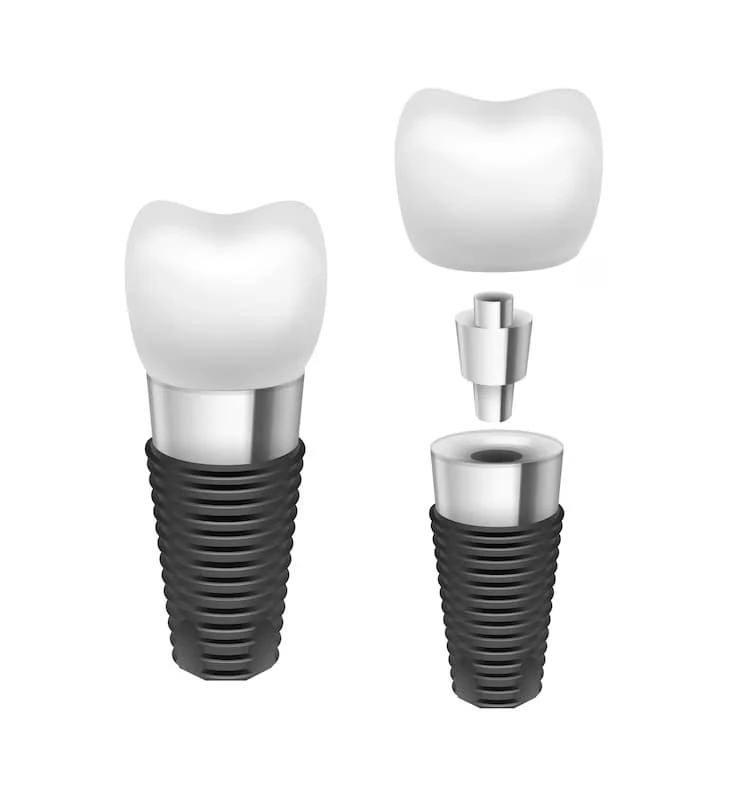
A single dental implant consists of three primary components: the titanium post, the abutment, and the crown. The titanium post serves as the artificial root, which is surgically inserted into the jawbone. This post then fuses with the bone through a process called osseointegration, creating a sturdy foundation for the replacement tooth. The abutment connects the post to the crown, which is the visible part of the implant that mimics the appearance of a natural tooth.
Before the procedure begins, a thorough consultation with your dental professional is essential. This appointment typically includes a comprehensive examination, diagnostic imaging, and a discussion of your medical history. Your dentist will assess the condition of your jawbone to ensure it is robust enough to support the implant. In some cases, additional treatments such as bone grafting may be necessary to prepare the site for the implant. Understanding these foundational elements will help alleviate some of the anxiety associated with the procedure.
The Procedure: Step by Step
The journey towards receiving a single dental implant begins with the surgical placement of the titanium post. This procedure is generally performed under local anaesthesia, ensuring that you remain comfortable throughout. Your dentist will create a small incision in the gum tissue to expose the bone and will then drill a precise hole into which the implant will be inserted.
Once the post is secured in place, your body will commence the healing process. It is during this time that osseointegration occurs, typically taking several months. During this healing phase, the titanium post will bond with the jawbone, providing the necessary strength to support the crown. Patients may experience some swelling and discomfort following the surgery; however, these symptoms usually subside within a few days.
After the healing period, a follow-up appointment will be scheduled to assess the integration of the implant. If everything is progressing well, the next step involves attaching the abutment. This procedure is relatively straightforward and can often be completed in a single visit. Finally, once the gums have healed around the abutment, your dentist will take impressions to create a custom-made crown that matches the shape and colour of your natural teeth.
The Benefits of Choosing a Single Dental Implant
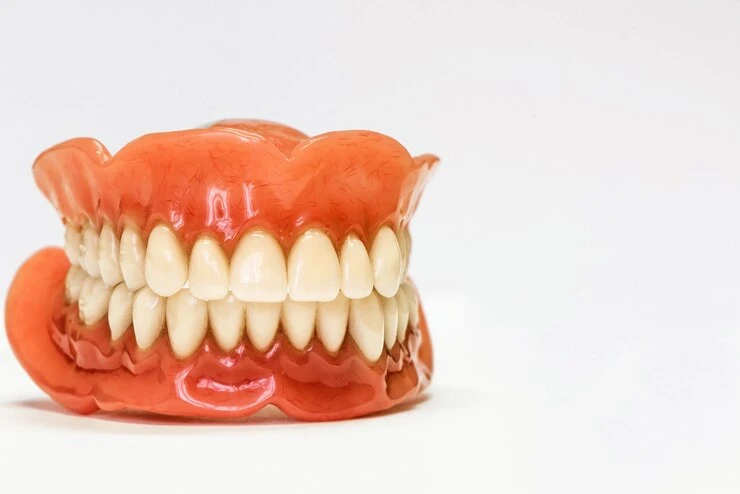
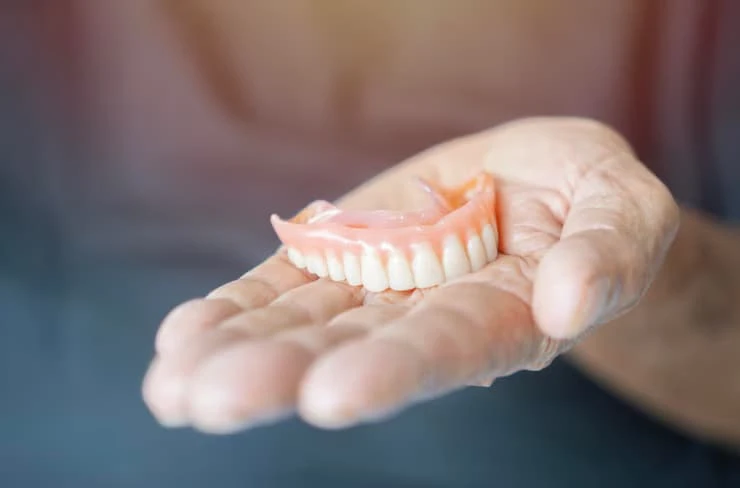
Opting for a single dental implant offers a multitude of advantages. Firstly, it significantly enhances your ability to chew and speak naturally, allowing you to enjoy a diverse diet without discomfort. Unlike removable dentures, which can shift or slip, an implant provides a fixed solution that stays securely in place.
In addition to functional benefits, single implants also promote better oral health. By replacing a missing tooth, the implant helps to prevent bone loss in the jaw, a common consequence of tooth loss. Maintaining the integrity of the jawbone is essential for overall facial structure and aesthetic appeal, helping to avoid the sunken appearance that can arise from prolonged tooth loss.
Moreover, a single dental implant is designed to last for many years, often a lifetime with proper care. This longevity makes it a cost-effective solution over time, especially when compared to other restorative options that may require frequent replacements or adjustments.
Managing Expectations: What to Know Beforehand
While the benefits of a single dental implant are substantial, it is equally important to manage expectations regarding the timeline and the healing process. Each patient’s experience can vary significantly based on their overall health, the condition of their jawbone, and their adherence to post-operative care instructions.
It’s essential to follow your dentist's guidelines during the recovery phase. This may include recommendations for diet, oral hygiene practices, and any prescribed medications to manage pain and swelling. Patience is key, as the complete healing and integration process can extend over several months.
Furthermore, understanding that there may be some initial discomfort or sensitivity is crucial. Many patients report feeling a considerable difference after the healing process is complete, with the implant feeling as natural as a real tooth. Communicating with your dental professional about any concerns during your recovery will help ensure a smooth transition to your new smile.
Aftercare and Maintenance for Longevity
Once your single dental implant is fully integrated and the crown is in place, the focus shifts towards aftercare and maintenance. Good oral hygiene is paramount in ensuring the longevity of your implant. Regular brushing and flossing, as well as routine check-ups with your dentist, are vital in preventing infections or complications.
It’s also advisable to avoid habits that could jeopardise the integrity of the implant, such as grinding your teeth or using your teeth to open packages. Paying attention to your body and reporting any unusual sensations or discomfort to your dentist can help catch potential issues before they escalate.
Incorporating a balanced diet rich in calcium and vitamin D will further support your oral health and the stability of the implant. Staying hydrated and avoiding excessive sugary foods can also contribute to maintaining both your implants and your natural teeth.
A single dental implant represents more than just a restoration of a lost tooth; it embodies a commitment to your long-term oral health and overall well-being. As you embark on this journey, being informed and prepared will empower you to make the best choices for your smile. The road may have its challenges, but the rewards of restored functionality, confidence, and aesthetics are undeniably profound. With the right care and attention, your implant can serve you faithfully for many years to come.



























Sign in to leave a comment.