Missing teeth can change your whole day. Eating feels harder. Smiling may feel awkward. And even talking can feel different. The good news is that you have options—and one of the strongest long-term options is complete dental implants. Let’s understand whether this solution might fit you. We’ll walk through the biggest signs, the health checks dentists look for, and what your next step should be. By the end, you’ll know what questions to ask and how a local implant team can guide you with a personalized plan.
What Are Complete Dental Implants?
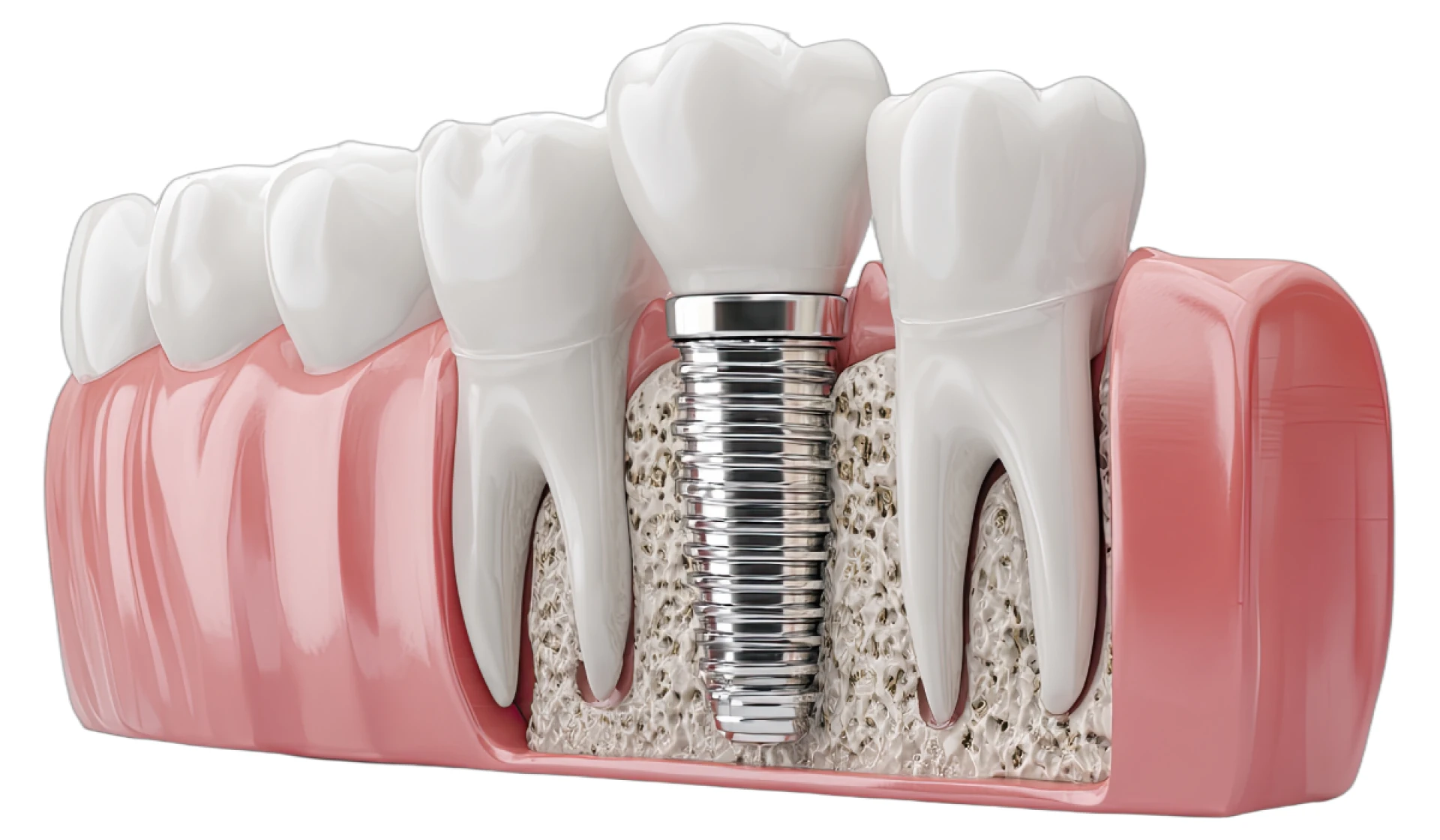
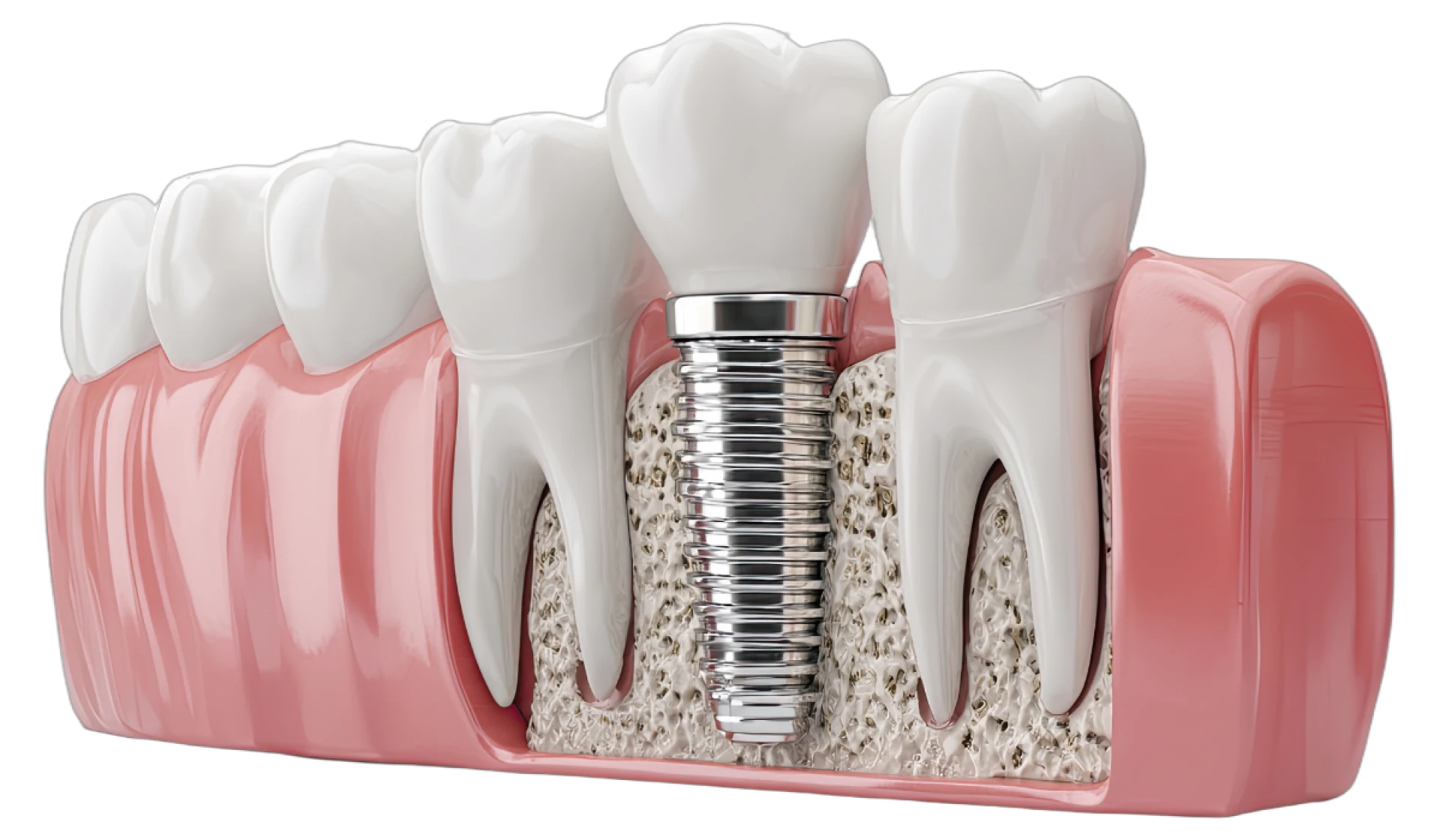
Dental implants are small posts placed in the jawbone to support new teeth. Over time, the implant bonds with the bone, which helps keep it stable. Then a crown, bridge, or full set of teeth can be attached on top. When people say complete dental implants, they usually mean a full-arch or full-mouth solution—something designed to replace many teeth (or even all the teeth) with a secure, natural-looking smile.
Signs You May Be A Good Candidate
While only an exam can confirm it, these are common signs that implants may work well for you:
- You are missing multiple teeth (or all of them). A full solution can be easier than replacing teeth one-by-one.
- Dentures feel loose or uncomfortable. If your dentures move, click, or rub your gums, implants may feel more stable.
- Chewing feels difficult. A strong bite can make eating feel normal again.
- You want a long-term option. Implants are built to last and are meant to be a durable fix when properly cared for.
Also, if you feel tired of “temporary fixes,” implants may be worth exploring.
What Your Dentist Will Check First
Even if implants sound perfect, your mouth has to be ready. That’s why an evaluation matters. A good center for dental implants will usually check these key areas:
Jawbone Strength
Your jawbone acts like the foundation. If you have enough healthy bone, it can support implants well. If bone is thin, you may still qualify—but you might need extra steps first.
Gum Health
Healthy gums help protect the implant area. If gum disease is present, it usually needs treatment before implant placement.
Overall Health And Healing
Your medical history matters because healing is part of the process. Many patients still qualify even with health conditions—but the dentist will plan carefully and safely.
Factors That Can Affect Implant Success
Some things can lower success if they aren’t addressed. The great part is that many of these issues can be managed with the right care plan.
- Smoking: It can slow healing and raise the risk of complications.
- Uncontrolled diabetes: It may affect healing and infection risk.
- Severe grinding (bruxism): It can put too much pressure on implants without protection.
- Long-term tooth loss: It may mean more bone loss, but solutions can still be available.
So, if one of these sounds like you, don’t assume you’re not a candidate. It often means you need a more tailored treatment plan.
What An Implant Consultation Usually Includes
If you book a visit, the process is usually simple and informative. Most patients are surprised by how easy the first step feels. A consultation at a trusted implant provider typically includes:
- A quick look at your teeth and gums
- Digital X-rays or scans to check bone levels
- A discussion about your goals (comfort, chewing, looks, stability)
- Clear options and an estimated timeline
This is also when you can ask questions about comfort, recovery, and total costs. A good team will explain everything in plain language.
Conclusion
Online research helps, but it can’t replace a real exam. The best way to know if implants fit your mouth is to visit a team that does this every day. When you meet with a center for dental implants, you get answers based on your bone, your gums, and your goals—not guesses. If you’re exploring options in Mount Pleasant, Prime Dental’s implant services page is a helpful starting point. From there, you can schedule a consultation to learn what’s possible and what plan makes the most sense for your smile.


























Sign in to leave a comment.