
How To Know If Toenail Fungus Is Dying
Dealing with a fungal infection can be a long and frustrating process. Many people begin a treatment regimen and wonder if it is actually working, especially since toenails grow so slowly. If you are currently utilizing a cream, oil, or oral medication, you are likely searching for specific signs on How To Know If Toenail Fungus Is Dying. Recognizing these indicators helps you stay motivated and remain consistent with your treatment plan.
Maintaining healthy skin and nails is a vital component of your overall self-care routine. Expert guidance from professional centers like Yana Skin Care can provide you with the insights needed to handle various aesthetic and wellness concerns. When you know what to look for, you can easily distinguish between a fungal infection that is persisting and one that is finally being eliminated.
Start Understanding How To Know If Toenail Fungus Is Dying Today
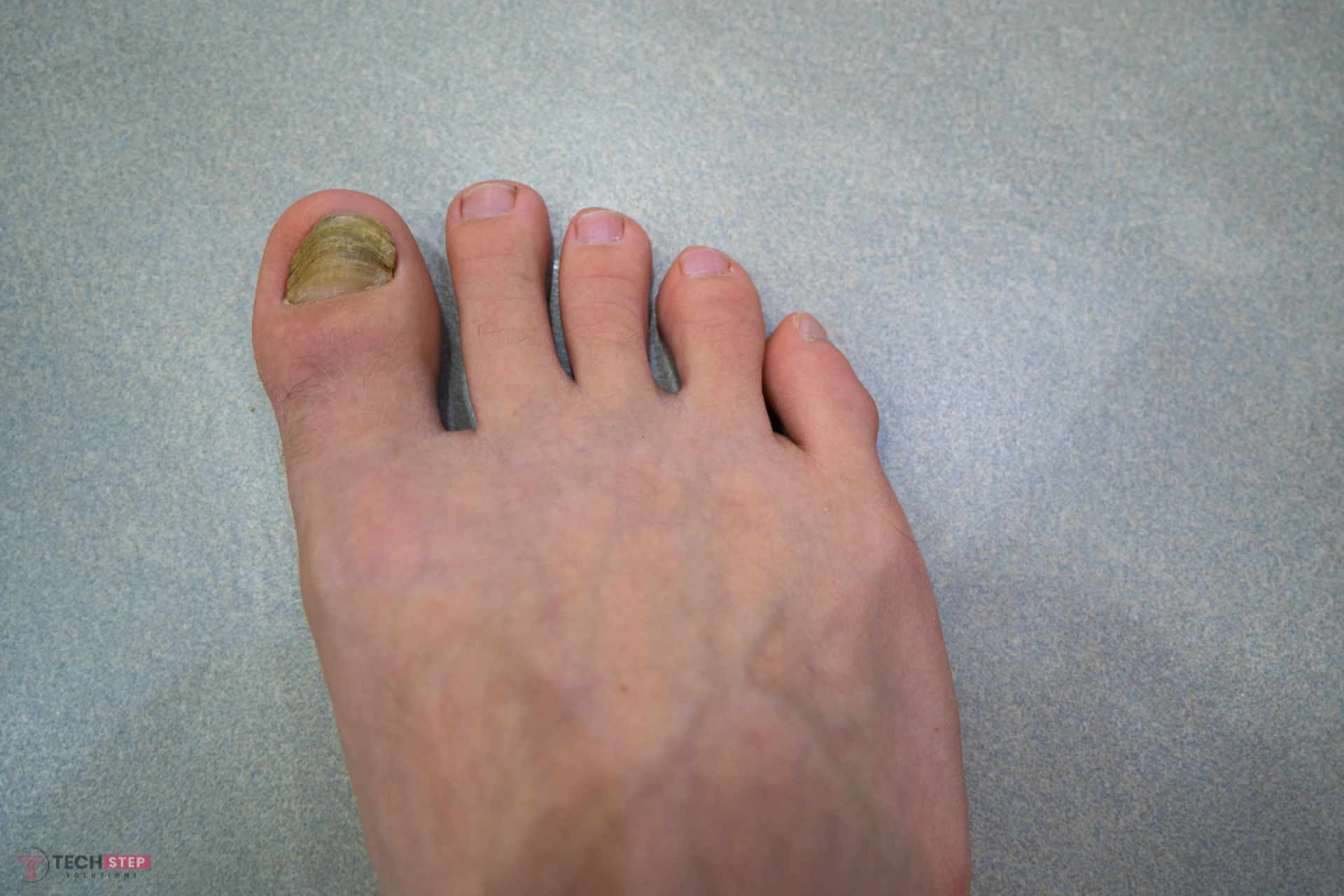
Toenail fungus, medically referred to as onychomycosis, is a common condition that affects millions of individuals. It usually begins as a small white or yellow spot beneath the tip of the nail. As the infection penetrates deeper, it can cause the nail to become discolored, thickened, and even crumble at the edges.
Because toenails grow much more slowly than fingernails, it can take several months to witness tangible progress. This slow pace often leads people to abandon their treatment prematurely. They assume the medication is ineffective when, in reality, the fungus is dying beneath the surface.
In this guide, we will explore the clear physical changes you should monitor. We will also discuss how the texture of your nail transforms and what a "healthy" grow-out looks like. By the end of this article, you will have a clear roadmap for your healing journey.
Signs Your Toenail Fungus Is Dying
The most important thing to remember is that a damaged nail cannot "un-damage" itself. Instead, the infected portion must grow out so that new, healthy nail tissue can take its place. Here are the primary signs that the fungus is losing its grip.
The Appearance of a Clear Nail Base
The most reliable indicator that your treatment is working is the emergence of new, clear nail growth at the cuticle. When the fungus dies, it stops spreading to the new cells being formed at the base of the nail.
- Look at the Lunula: This is the half-moon shape at the bottom of your nail.
- Check for Transparency: If the new growth appears pinkish and clear rather than yellow or cloudy, the fungus is no longer infecting the new nail.
- The "Line of Demarcation": You might notice a clear horizontal line separating the old, infected nail from the new, healthy growth.
Thinning of the Nail Plate
Fungal infections often cause the nail to become abnormally thick and difficult to cut. This occurs because the fungus triggers the production of excess keratin.
- Easier Trimming: If you find that your nail nippers move through the nail more effortlessly, it is a sign the infection is receding.
- Reduced Pressure: Thinner nails mean less pressure on the nail bed, which often alleviates any discomfort you might have felt while wearing shoes.
Changes in Discoloration
While the old, yellowed nail will not turn clear overnight, you may notice the colors shifting. The deep yellows, browns, or blacks may begin to fade or move toward the edge of the nail as it grows out.
Changes You Will Notice During Healing
As the fungus dies off, the physical structure of the nail and the surrounding skin will undergo several transitions. These changes serve as positive markers of progress.
Debris Becomes Brittle and Falls Away
Underneath an infected nail, there is often an accumulation of "chalky" or "crumbly" debris. This is a mixture of fungus and dead skin cells.
- Cleaning the Gap: As the fungus dies, this debris stops accumulating.
- Nail Re-attachment: In some cases, you may notice the nail plate begins to sit flatter against the nail bed as the buildup underneath clears out.
Improved Texture and Shine
Infected nails often appear dull, powdery, or "eaten away." A healing nail begins to regain its natural luster.
- Smooth Surface: The new growth will feel smoother to the touch.
- Normal Shape: You will notice the nail growing in its natural curve rather than being distorted or warped by fungal clusters.
Reduced Odor
Fungal infections sometimes produce a distinct, unpleasant smell due to the breakdown of keratin and the presence of bacteria. One of the first "invisible" signs that the fungus is dying is the disappearance of this odor when you trim your nails or clean your feet.
How Long It Takes for Toenail Fungus to Heal
Patience is the most essential tool in your medicine cabinet. If you are looking for How To Know If Toenail Fungus Is Dying, you must also understand the timeline of nail biology.
The Speed of Toenail Growth
On average, toenails grow about 1.5 to 1.6 millimeters per month. This is very slow compared to the skin, which regenerates every few weeks.
- The Big Toe: The big toe takes the longest to grow out completely—usually 12 to 18 months.
- Smaller Toes: The smaller toes may grow out in 6 to 9 months.
- Age Factors: Younger individuals generally have faster nail growth than older adults, meaning they may see results sooner.
Why Consistency is Key
Fungus is resilient. If you stop treatment because the nail "looks better," the microscopic spores remaining can cause a relapse. You must continue your treatment until the very last bit of infected nail has been clipped away.
Treatments That Help Toenail Fungus Heal Faster
While there is no "instant" cure, certain approaches can accelerate the process and help the fungus die off more effectively.
Topical Medications
These are lacquers, oils, or creams applied directly to the nail. They work best if you "prep" the nail first.
- Filing the Surface: Gently filing the top of the thick nail allows the medicine to penetrate more deeply.
- Daily Application: Most topicals must be applied every single day without fail to prevent the fungus from rebounding.
Oral Antifungal Drugs
Doctors often prescribe pills for more severe cases. These work from the inside out, traveling through your bloodstream to reach the nail bed where the fungus resides.
- High Success Rates: Oral treatments often show faster results at the base of the nail.
- Monitoring: Since these can affect the liver, doctors usually require blood tests during the course of treatment.
Laser Therapy
Laser treatment uses concentrated light energy to heat and destroy fungal colonies without damaging the surrounding tissue.
- Pain-Free: Most patients find the procedure comfortable.
- Speeding the Process: Laser therapy is often used alongside topicals to "jumpstart" the healing process.
Tips to Support Healing and Prevent Recurrence
Even the best treatment will fail if the environment remains friendly to fungus. To ensure the fungus stays dead, you must change the environment of your feet.
Keep Your Feet Dry
Fungus thrives in dark, damp, and warm environments. Your shoes are the perfect breeding ground.
- Moisture-Wicking Socks: Wear socks made of synthetic blends or wool that pull sweat away from the skin.
- Rotate Your Shoes: Never wear the same pair of shoes two days in a row. Give them 24 hours to air out completely.
Sanitize Your Tools and Footwear
If you use the same nail clippers on an infected nail and then a healthy nail, you will spread the infection.
- Alcohol Soaks: Clean your clippers with rubbing alcohol after every use.
- Antifungal Sprays: Use a disinfectant spray inside your shoes to kill any lingering spores.
Boost Your Immune System
Your body plays a role in fighting off the infection. A healthy diet rich in biotin, zinc, and protein can help your body produce stronger, faster-growing nails.
Act Now: How To Know If Toenail Fungus Is Dying And Recover Fast
Knowing How To Know If Toenail Fungus Is Dying requires a blend of observation and patience. Look for that clear, pinkish growth at the base of your nail, notice if the thickness is decreasing, and track the movement of the discoloration toward the tip.
Remember, the old, yellowed nail is dead tissue that cannot be "cured"—it must be replaced by new growth. If you stay consistent with your treatment, keep your feet dry, and monitor these signs, you will eventually see a healthy, clear nail again. Don't get discouraged by the slow pace; every millimeter of clear growth is a victory against the infection.
































Sign in to leave a comment.